If you run an e-commerce business during peak season, thousands of orders move through packing stations, each requiring boxes, wraps, and labels. Every package is a chance to impress or frustrate customers. Now picture transforming that same operation with creative, functional packaging that delights recipients while boosting efficiency.
For e-commerce brands to stand out in 2026, they need to rethink how products are packaged, balancing sustainability, protection, and a memorable unboxing experience. From eye-catching designs to smart materials and clever inserts, the right packaging can reduce waste, improve delivery outcomes, and strengthen brand loyalty.
This blog explores 15 innovative e-commerce packaging ideas, showing how brands can create impactful, practical, and scalable solutions that work across fulfillment, shipping, and customer experience.
Key Takeaways
Creative packaging enhances unboxing, boosting customer engagement, loyalty, and social sharing for e-commerce brands.
Eco-conscious materials like biodegradable, reusable, or recyclable options meet sustainability expectations while protecting products.
Interactive, AR, and smart packaging integrate digital experiences, driving repeat purchases and memorable brand interactions.
Modular, stackable, and convertible designs optimize storage, reduce shipping costs, and improve operational efficiency.
Personalized, multi-sensory, and branded packaging reinforces brand identity, elevates perceived value, and strengthens customer trust.
How Innovative Packaging Can Enhance Customer Experience in 2026
Packaging is the first interaction a customer has with a brand. It can leave a lasting impression. Thoughtful, innovative packaging communicates quality, care, and attention to detail, turning a simple delivery into a memorable experience.
Smart packaging can simplify the unboxing process and add delight:
Easy-to-open mailers and resealable boxes reduce frustration.
Reusable or multi-purpose packaging adds practical value.
Branded inserts, personalized notes, or interactive designs enhance engagement.
Sustainability also plays a key role. Customers increasingly expect eco-conscious solutions, and packaging that is recyclable, biodegradable, or reusable reflects a brand’s commitment to the environment. This builds trust and resonates with environmentally aware consumers.
Finally, innovative packaging protects products while creating emotional impact. It reduces damage in transit, streamlines handling, and strengthens brand loyalty, showing that the company values both the product and the customer experience.
How Innovative Packaging Differs from Traditional Packaging

As e-commerce grows, packaging has evolved from simply protecting products to shaping customer perception and experience. Innovative packaging focuses not just on function, but also on delight, sustainability, and brand storytelling, which are elements that traditional packaging often lacks.
The table below highlights the key differences between the two approaches:
Feature | Traditional Packaging | Innovative Packaging |
Design & Aesthetics | Plain, functional, often generic boxes and wraps | Branded, visually engaging, customizable, and unboxing-focused |
Customer Experience | Minimal impact; primarily protective | Enhances unboxing, adds delight, and strengthens brand perception |
Functionality | Basic protection, limited usability | Multi-functional, easy-to-open, reusable, and interactive |
Sustainability | Often single-use, non-recyclable plastics | Eco-friendly, biodegradable, recyclable, or reusable materials |
Brand Communication | Rarely communicates brand story | Reinforces brand values, messaging, and customer connection |
Operational Fit | Standard packing lines, low cost | Compatible with automated lines but may include smart inserts or modular designs |
For e-commerce businesses in 2026, investing in creative, functional, and eco-conscious packaging is a strategic way to enhance customer loyalty and differentiate in a crowded marketplace.
Also Read: Best Subscription Boxes to Try in 2025
Top 15 Innovative E-Commerce Packaging Ideas for 2026
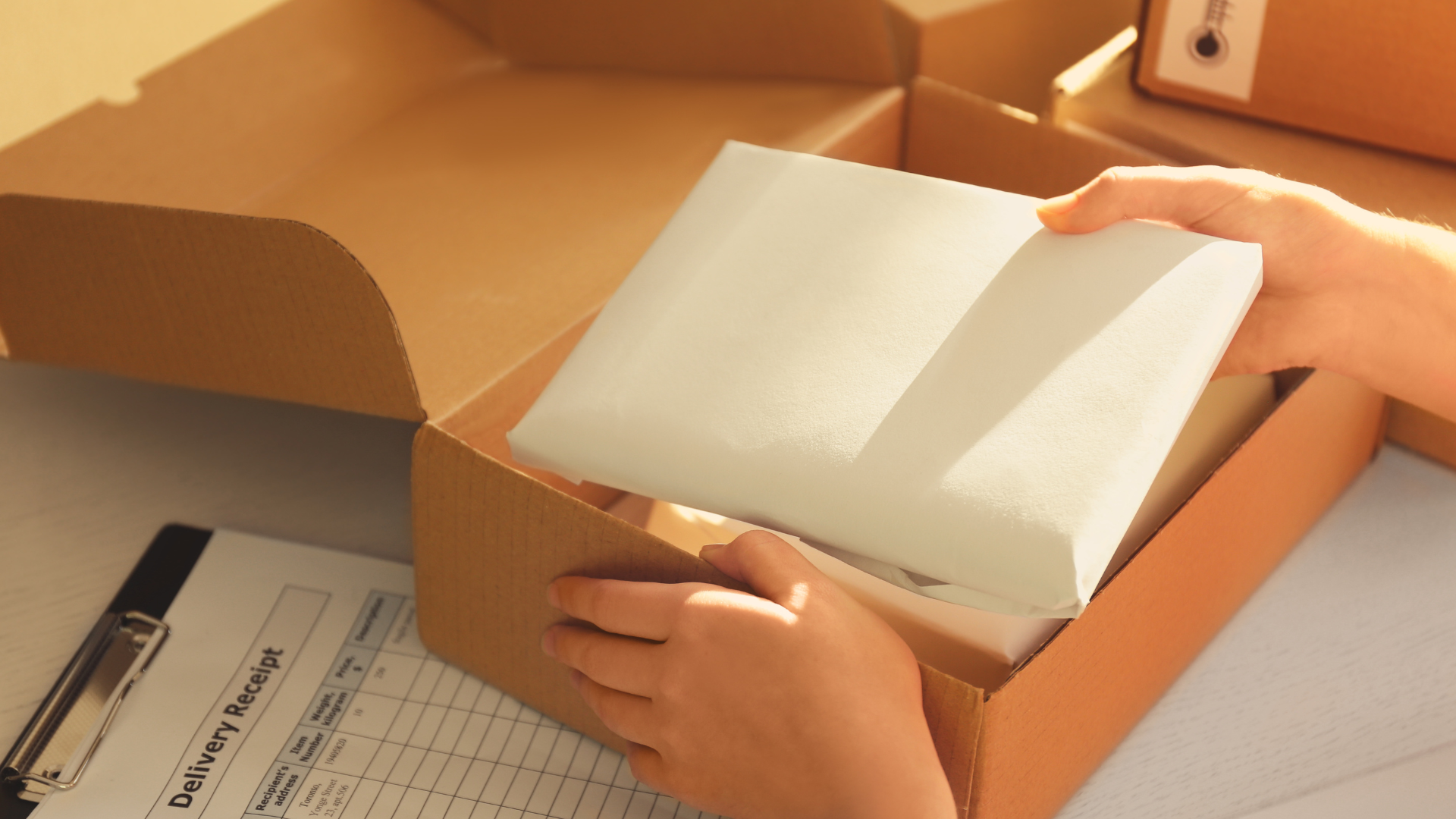
Innovative packaging should combine protection, sustainability, and creativity to create memorable unboxing experiences that delight customers and reinforce brand identity.
Below are 15 innovative packaging ideas that help e-commerce brands enhance customer experience, reduce waste, and elevate brand perception:
1. Interactive Unboxing Kits
Interactive unboxing kits turn the act of opening a package into a memorable experience by including elements such as QR codes, augmented reality (AR) content, hidden messages, or puzzles.
These kits allow brands to tell a story, deliver tutorials, or provide exclusive content, making the packaging an extension of the product itself rather than just a container.
By engaging customers in a creative and personalized way, these kits strengthen brand recall and encourage social sharing, turning every unboxing into a marketing opportunity.
Differentiating Factors:
Encourages post-purchase engagement by inviting customers to explore digital or physical interactions.
Integrates technology like AR or QR codes to create personalized, dynamic experiences.
Boosts brand loyalty and repeat purchases by making unboxing fun, surprising, and memorable.
Best For: Subscription services, lifestyle brands, or tech products that want to create excitement, foster emotional connection, and create a good impression with every delivery.
2. Modular Packaging Systems
Modular packaging systems use boxes, inserts, and dividers that can be resized, combined, or repurposed to fit different product shapes and sizes. This flexibility allows brands to streamline fulfillment operations, minimize excess materials, and adapt quickly to seasonal product variations or changing inventories.
By reducing overpacking and standardizing components, modular packaging helps cut storage costs, lower shipping inefficiencies, and support sustainability goals.
Differentiating Factors:
Adjustable design accommodates multiple product sizes, reducing the need for custom boxes.
Cuts storage space and shipping costs by optimizing package dimensions and weight.
Encourages reuse or recycling through standardized, durable components.
Best For: Brands with diverse SKUs, seasonal product lines, or subscription services looking for a cost-effective, sustainable, and operationally efficient packaging solution.
3. Branded Tissue Wraps and Stickers
Custom tissue paper and eco-friendly stickers offer an elegant, minimalistic way to infuse brand identity into every package. By using high-quality, sustainably sourced materials, brands can create a premium unboxing experience without excessive packaging.
Tissue wraps protect products, while printed or embossed designs and branded stickers add a personal touch, encouraging social sharing and enhancing perceived value. This approach is effective for brands that want their packaging to feel thoughtful and curated without increasing costs or environmental impact.
Differentiating Factors:
Lightweight, customizable, and adaptable for any product size.
Cost-effective branding that elevates the unboxing experience.
Compatible with sustainable, biodegradable, or recycled materials.
Best For: Fashion, beauty, wellness, and lifestyle brands aiming for a polished, high-end feel in shipments while reinforcing brand identity sustainably.
4. Custom-Shaped Boxes
Custom-shaped boxes go beyond the standard rectangular form to create packaging that immediately captures attention. Die-cut designs, geometric shapes, or themed silhouettes make unboxing a memorable experience while visually reinforcing the brand story.
When paired with eco-friendly or recycled materials, these boxes not only stand out but also align with sustainability goals. The tactile and visual uniqueness of custom shapes prompts customers to share their experiences, enhancing brand reach organically.
Differentiating Factors:
Unique, appealing designs that leave a lasting impression.
Strengthens brand narrative through visual storytelling.
Compatible with sustainable and biodegradable materials.
Best For: Luxury goods, gift sets, subscription boxes, and specialty products where a memorable unboxing moment can influence repeat purchases and social sharing.
5. Reusable Packaging
Reusable packaging transforms ordinary deliveries into long-term brand touchpoints. From sturdy storage boxes and elegant tote bags to durable pouches, these materials are designed to live beyond the initial shipment.
By offering customers a functional, aesthetically pleasing item, brands create a sense of value and sustainability. This approach not only encourages repeat engagement but also aligns with eco-conscious consumer expectations, helping reduce overall packaging waste while keeping your brand top-of-mind.
Differentiating Factors:
Reinforces brand commitment to sustainability.
Creates ongoing customer engagement and goodwill.
Cuts down on single-use packaging waste, supporting circular use.
Best For: Subscription services, premium lifestyle brands, and eco-conscious companies that want customers to interact with their packaging repeatedly, extending both brand impact and usability.
6. Augmented Reality (AR) Packaging
AR packaging merges the physical and digital worlds, turning a simple box or label into an interactive experience. Customers can scan the packaging with a smartphone to access tutorials, 3D product demos, games, or immersive brand storytelling.
This approach not only adds entertainment value but also deepens understanding of the product, helping customers engage meaningfully while creating memorable experiences that encourage sharing on social media.
Differentiating Factors:
Connects digital interactivity with physical packaging.
Boosts customer engagement, education, and product understanding.
Generates shareable moments that enhance brand visibility.
Best For: Tech gadgets, collectibles, educational kits, and brands where creating immersive, memorable experiences elevates customer loyalty and excitement.
7. Sustainable Cushioning Alternatives
Moving beyond traditional plastic bubble wrap and foam, sustainable cushioning options like mushroom mycelium, starch-based foams, and airless padding offer protective support while reducing environmental impact.
These materials are engineered to absorb shock, maintain shape, and protect fragile items during transit. Many are customizable to fit specific product shapes, ensuring consistent performance without adding bulk or compromising the eco-friendly promise.
Differentiating Factors:
Fully biodegradable or recyclable, reducing landfill waste.
Customizable designs to cradle fragile or irregularly shaped items.
Engineered to maintain operational efficiency on packing lines.
Best For: Electronics, glassware, cosmetics, and high-value products where durability and sustainability are both essential.
8. Multi-Sensory Packaging
Multi-sensory packaging goes beyond visuals by incorporating textures, scents, or subtle sound cues to create a fully immersive unboxing experience. By engaging multiple senses, it elevates the perceived value of the product, makes the brand more memorable, and encourages customers to share their experience on social media.
These elements can be subtly integrated into premium packaging without overwhelming the core product.
Differentiating Factors:
Creates emotional engagement through touch, smell, or sound.
Strengthens brand recall by making unboxing memorable.
Enhances premium perception without excessive material use.
Best For: Luxury beauty products, gourmet foods, lifestyle brands, and any product where sensory appeal can reinforce brand identity and customer loyalty.
9. Minimalist Packaging
Minimalist packaging emphasizes clean lines, restrained design, and reduced material usage to create a sophisticated, modern aesthetic. By stripping away excess, brands can highlight key product features while promoting sustainability and efficiency.
Minimalist designs also make it easier to personalize packaging with small logos, accents, or messages, reinforcing brand identity without clutter.
Differentiating Factors:
Reduces material waste and shipping costs.
Conveys elegance, simplicity, and brand sophistication.
Allows easy personalization with subtle design elements.
Best For: Apparel, accessories, beauty, and wellness products targeting eco-conscious, style-savvy customers who value sustainable and aesthetically pleasing packaging.
10. Nesting and Stackable Designs
Nesting and stackable packaging is engineered to fit together efficiently, reducing wasted space during shipping and storage. This approach not only lowers transportation costs and carbon footprint but also improves warehouse organization and inventory management.
Many designs are durable and reusable, allowing brands to support sustainable practices while maintaining operational efficiency.
Differentiating Factors:
Optimizes space for transport and storage.
Reduces shipping costs and environmental impact.
Durable, reusable, and built for multiple uses.
Best For: Household goods, small electronics, multi-item orders, and bulk shipments where efficient logistics and sustainability are top priorities.
11. Personalized Packaging
Personalized packaging elevates the unboxing experience by incorporating customer names, custom messages, or tailored designs directly onto boxes, inserts, or labels. This level of customization makes customers feel valued, encourages repeat purchases, and strengthens emotional connection with the brand.
Personalization can be scaled for both small-batch luxury items and larger subscription services, creating a consistent sense of exclusivity and attention to detail.
Differentiating Factors:
Creates a memorable, one-of-a-kind unboxing experience.
Encourages customer loyalty and repeat purchases.
Showcases brand attention to detail and care.
Best For: Subscription boxes, gift items, and limited-edition product launches where creating a personal connection enhances brand perception.
12. Smart Packaging
Smart packaging integrates technologies like NFC chips, QR codes, or RFID tags to provide customers with interactive experiences, product verification, and real-time tracking. Beyond functionality, it reinforces trust by preventing counterfeiting and offering transparency throughout the supply chain.
Smart packaging also opens doors for promotional campaigns, loyalty programs, or product tutorials, bridging physical products with digital engagement in a seamless way.
Differentiating Factors:
Enables digital integration for tracking, promotions, or tutorials.
Protects against counterfeiting and ensures product authenticity.
Boosts customer trust and interaction with the brand.
Best For: High-value items, electronics, cosmetics, and luxury goods where security, transparency, and engagement enhance the overall product experience.
13. Convertible Packaging
Convertible packaging is designed to serve a second purpose after the product is unpacked, transforming into storage solutions, display stands, or organizational tools. This approach extends the life of the packaging, reinforces brand utility, and encourages customers to retain it rather than discard it.
By turning packaging into a functional asset, brands create a memorable experience while subtly promoting sustainability and reducing waste.
Differentiating Factors:
Extends the lifecycle of packaging beyond initial use.
Encourages customer retention and repeated engagement.
Reduces waste while adding practical brand value.
Best For: Lifestyle products, toys, stationery, and home goods where reusable or multifunctional packaging enhances the customer experience and brand perception.
14. Color-Changing or Dynamic Packaging
Packaging that reacts to heat, light, or touch, through color-changing inks, thermochromic coatings, or holographic finishes, creates interactive, eye-catching experiences.
These dynamic elements turn an ordinary unboxing into a “wow” moment, delighting customers and encouraging them to share their experience on social media. By integrating visually engaging features, brands can reinforce premium positioning and create excitement around product launches or seasonal campaigns.
Differentiating Factors:
Creates memorable, Instagram-worthy unboxing experiences.
Reinforces premium brand perception and storytelling.
Offers creative flexibility for marketing and seasonal campaigns.
Best For: Cosmetics, seasonal promotions, collectibles, and limited-edition products aimed at social media-savvy audiences seeking engaging, shareable experiences.
15. Eco-Innovation Blends
Eco-innovation blends combine sustainable materials, like biodegradable, compostable, or reusable, with creative packaging structures such as die-cut, modular, or embossed designs. This approach allows brands to make a bold environmental statement while delivering visually striking, functional packaging.
By merging aesthetics with sustainability, these blends cater to modern consumer expectations for responsible yet memorable packaging experiences.
Differentiating Factors:
Balances sustainability with creative, eye-catching designs.
Supports operational efficiency without compromising workflow.
Aligns with evolving customer expectations for 2026 and beyond.
Best For: Brands seeking to showcase environmental responsibility while standing out in competitive markets, including lifestyle, beauty, and premium consumer goods.
These 15 innovative packaging ideas highlight how brands can combine protection, sustainability, and creativity to deliver both practical and emotional value.
By investing in creativity, functionality, and eco-conscious materials, brands can elevate unboxing experiences while streamlining operations and reducing environmental impact.
Also Read: Best Boxes for Moving Vinyl Records
What to Consider When Investing in a Particular Packaging Idea
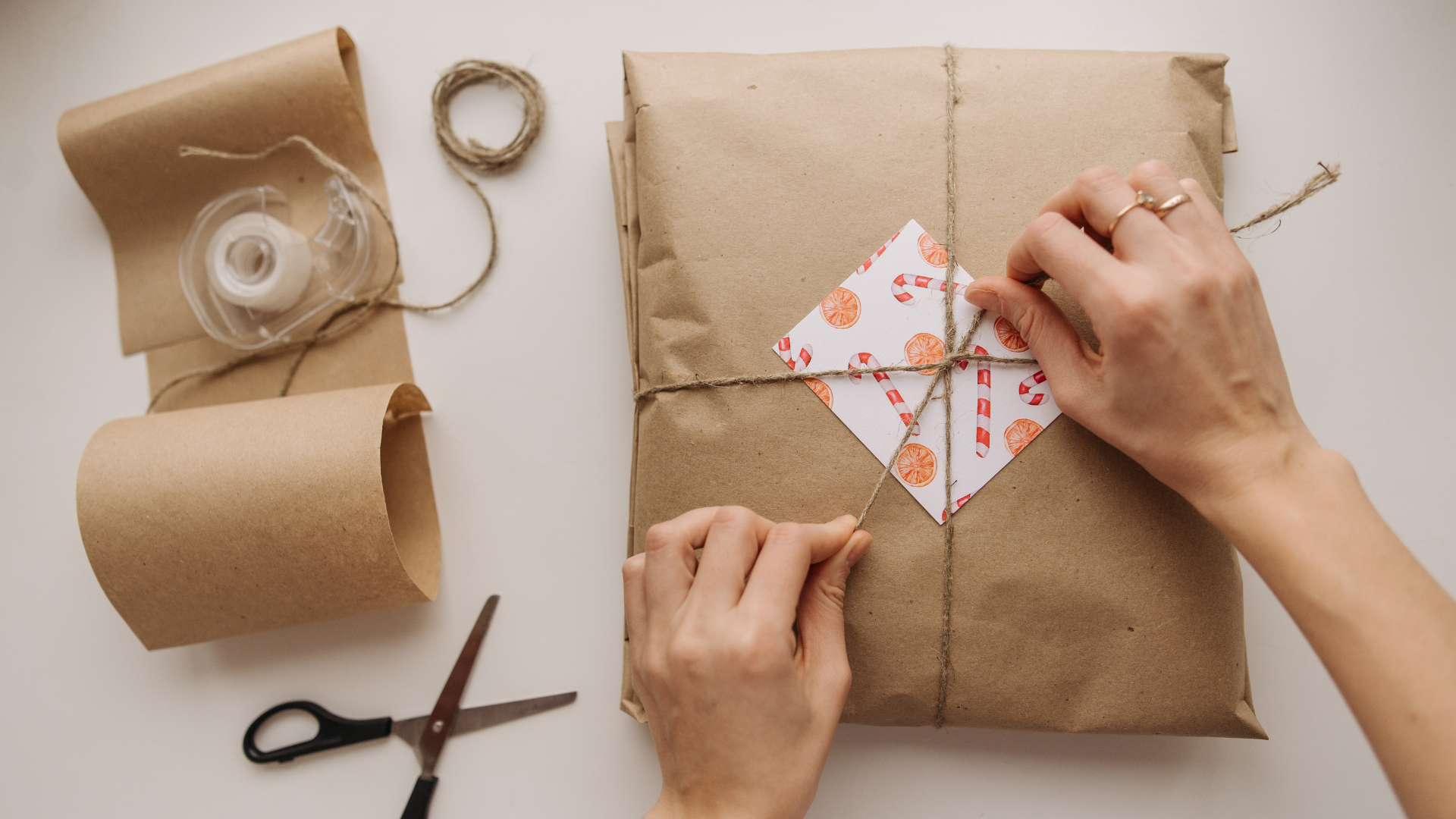
Choosing an innovative packaging idea goes beyond aesthetics. Brands must evaluate how the concept aligns with operational capabilities, customer experience goals, sustainability objectives, and long-term cost considerations.
The right investment ensures that packaging not only creates memorable unboxing moments but also remains practical and scalable across fulfillment workflows:
Product Compatibility: Not every packaging idea suits all products. Fragile items need protective features, while lightweight goods may benefit more from visual or interactive elements. Assess whether the idea enhances both safety and presentation.
Operational Feasibility: Consider how the packaging integrates with existing packing lines, shipping methods, and storage requirements. Highly intricate designs or interactive elements may require additional handling time or specialized equipment.
Cost and ROI: Innovative packaging can carry higher upfront costs. Evaluate long-term benefits like increased brand loyalty, repeat purchases, and marketing value versus initial investment.
Sustainability Impact: Customers increasingly value environmentally responsible packaging. Choose ideas that balance creativity with biodegradability, reusability, or recyclability, ensuring your brand’s eco-commitment is tangible.
Brand Alignment: Packaging should reinforce brand story and identity. Consider whether the concept reflects your values, target audience preferences, and the overall customer experience.
Scalability and Flexibility: Some designs, like modular or reusable packaging, allow adaptation to multiple products or seasonal lines. Investing in flexible solutions ensures longevity and reduces future redesign costs.
Selecting the right packaging idea is a strategic decision: it must protect products, engage customers, support operational workflows, and reflect brand values while offering measurable business benefits.
Conclusion
These ecommerce packaging ideas help brands deliver memorable, efficient, and sustainable unboxing experiences.
In 2026, creative and sustainable packaging is more than just a protective layer—it’s a key part of the customer experience. The right packaging captures attention, strengthens brand identity, and leaves a lasting impression with every unboxing. Innovative designs, whether interactive, reusable, or multi-sensory, show that a brand values both its customers and the environment.
At Alliance Packaging Group, we understand that packaging is a statement of quality and care. From custom-shaped boxes and modular systems to biodegradable cushioning, and reusable materials, we offer solutions that combine creativity, functionality, and sustainability.
Explore our full range of packaging solutions at alliancepkggroup.com and discover how the right ideas can make every shipment memorable, efficient, and environmentally responsible.
FAQs
1. How will 2026 packaging rules change the way I design e‑commerce boxes?
From 2026, new regulations in regions like the EU cap “empty space” in parcels (often at 40–50%), effectively banning oversized boxes stuffed with air pillows. This pushes brands toward fit‑to‑size or adjustable formats, forcing packaging ideas to be both creative and ultra space‑efficient rather than purely aesthetic.
2. Can interactive or AR packaging really influence repeat purchases for online brands?
Yes, early data shows that AR layers, scannable codes, and “digital extras” on packaging increase post‑purchase engagement and social sharing, which correlates with higher repeat order likelihood for DTC brands. In 2026, many smaller e‑commerce sellers will treat packaging as a media surface that launches tutorials, communities, or try‑ons, not just a protective shell.
3. How much do customers actually care about eco packaging versus convenience?
Recent studies indicate a majority of online shoppers now say eco‑friendly packaging directly affects which brands they buy from, but they still expect easy disposal and minimal hassle. That means 2026 “innovative packaging” has to be both sustainable and simple to handle, like curbside‑recyclable paper mailers instead of complex mixed-material boxes.
4. Do novel materials (like mushroom or seaweed packaging) create warehouse and shipping headaches?
They can. Many emerging materials have different stacking strength, moisture behavior, and temperature tolerances than conventional cardboard or plastic, so 2026 packaging ideas need early testing with carriers, conveyors, and storage conditions before full rollout. Brands that skip this step risk higher damage rates or rejected loads, wiping out the sustainability and brand benefits.
5. How can packaging ideas help lower my shipping costs, not just look cooler?
With dimensional weight pricing and empty‑space caps tightening, innovative packaging in 2026 is also about engineering: modular inserts, collapsible designs, and multi-size box systems that automatically match order size in the WMS. Done right, these ideas cut filler usage, reduce parcel size, and improve truck and van load efficiency, which can meaningfully lower per‑order shipping costs.