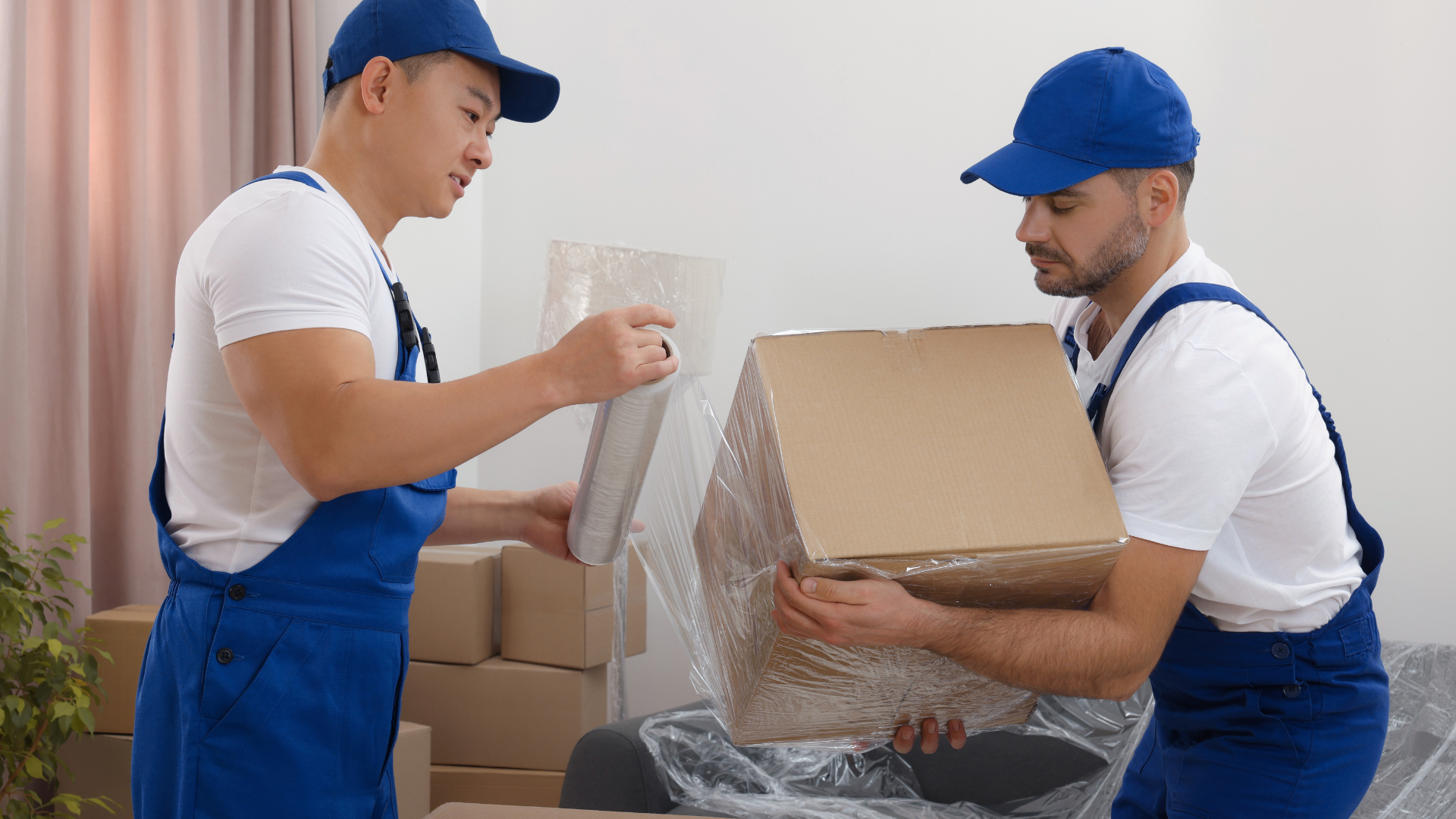

Every product has a story, and the box it ships in plays a key role in telling it. Picture a small brand sending delicate handmade ceramics. Using a flimsy or oversized box risks breakage, wasted materials, and disappointed customers.
The right box protects the product, optimizes shipping, and reinforces your brand’s quality from the moment it’s seen. So, choosing an appropriate box is also about efficiency, sustainability, and customer experience. From durable shipping cartons to visually striking retail boxes, the right packaging can reduce waste, lower costs, and leave a lasting impression.
This blog explores 20 types of boxes that help e-commerce and retail brands deliver products safely while creating memorable unboxing experiences and supporting operational goals.
Key Takeaways
Right box choice protects products, reduces shipping damage, and boosts efficiency—mailers for apparel, double-wall for fragile electronics.
Premium boxes like rigid set-up, magnetic closure, or telescoping enhance unboxing, leave strong brand impressions, and encourage repeat purchases.
Multi-depth, modular, or auto-lock bottom boxes help manage varied SKUs, reduce packaging waste, and adapt to seasonal product changes efficiently.
Sustainable materials like recycled corrugated, biodegradable inserts, or reusable insulated boxes maintain durability while meeting eco-conscious demands.
Interactive packaging with QR codes, AR panels, or branded inserts engages customers, delivers info, and strengthens loyalty through memorable experiences.
Rethink Your Packaging Strategy with the Right Box Type in 2026

Choosing the right box is about product safety, operational efficiency, and the overall customer experience. Different products have different requirements, and using a generic box isn’t an option anymore.
For example, consider a glass water bottle versus a set of t-shirts. The bottle benefits from a rigid, corrugated box with molded inserts or cushioning to prevent breakage, while t-shirts perform well in lightweight, flexible mailers that minimize shipping costs and material usage. Each product needs a box designed for its unique characteristics.
Benefits of matching box type to product:
Tailored protection: Corrugated or rigid boxes shield fragile items; poly mailers or soft boxes suit lightweight, non-breakable goods.
Operational efficiency: Proper sizing reduces void fill, optimizes pallet stacking, and speeds up packing.
Enhanced brand experience: Boxes that fit products perfectly reduce excess material while improving presentation and perceived value.
Sustainability alignment: Using the right box size lowers material waste and supports recyclable or compostable options.
By carefully aligning box type with product needs, brands can reduce damage, save costs, and create a more satisfying and memorable experience for customers—turning each shipment into a strategic advantage.
Also Read: Best Subscription Boxes to Try in 2025
20 Best Types of Boxes Brands Can Use to Stand Out in 2026

Choosing the right box type is one of the most important decisions in e-commerce packaging. The right box protects the product, reduces shipping costs, supports sustainability goals, and creates a polished unboxing experience.
Below are 20 effective box types that can help brands improve product protection, streamline fulfillment, and elevate customer perception in 2026:
1. Regular Slotted Container (RSC) Boxes
RSC boxes are the industry standard for e-commerce shipping. With flaps of equal length that meet precisely at the center when closed, they provide a balanced combination of durability, versatility, and cost-efficiency. Because they work with nearly every packing workflow, from hand assembly to automated case sealers, they’re the backbone of high-volume fulfillment operations.
Their corrugated structure can be optimized in single-, double-, or even heavy-duty fluting depending on weight and fragility, making them adaptable across product categories.
Differentiating Factors:
Economical for mass shipping: Lower material and manufacturing costs make them ideal for large order volumes.
Reliable structural integrity: Corrugated fluting absorbs impact during handling and transport, protecting products from crushing or vibration damage.
Operationally efficient: Their straightforward design makes them compatible with automated taping machines and high-speed workflows, reducing packing time.
Best For: Apparel, electronics accessories, books, household essentials, and everyday consumer items shipped at scale.
2. Full Overlap (FOL) Boxes
Full Overlap boxes feature flaps that completely overlap when closed, creating double-thick walls on the top and bottom. This added reinforcement is especially useful when shipping heavier items that need extra rigidity or when products travel long distances where handling may be rough.
They significantly reduce the risk of edge compression, making them a preferred choice for fragile or irregularly weighted items.
Differentiating Factors:
Superior protection for heavy goods: The overlapping flaps provide extra cushioning and structural strength, preventing corner dents and top-load crushing.
Ideal for stacking and palletizing: Reinforced walls maintain shape even under pressure, improving warehouse safety and reducing damage claims.
Reliable performance in challenging routes: Perfect for international shipping, freight, or shipments with multiple touchpoints where packages may be tossed, angled, or compressed.
Best For: Glassware, ceramics, tools, home appliances, and heavy or breakable SKUs that require maximum durability.
3. Die-Cut Boxes
Die-cut boxes are tailor-made using precision cutting tools to match the unique shape and structure needs of individual products. They often include locking tabs, vents, perforations, windows, or compartments, helping brands elevate both product protection and presentation.
Because they’re designed to fit products tightly, die-cut boxes reduce empty space inside the package, minimizing the need for filler materials and enhancing sustainability.
Differentiating Factors:
Precision fit for unique products: Custom sizes and structures secure items firmly in place, reducing movement and damage during transit.
Premium, polished unboxing experience: Clean edges, unique silhouettes, and flexible design options make these boxes ideal for storytelling and branding.
Supports creative engineering: Inserts, compartments, or custom openings improve both functionality and visual appeal while reducing excess materials.
Best For: Cosmetics, small electronics, premium gift items, subscription boxes, and any product where branding and presentation are as important as protection.
4. Mailer Boxes
Mailer boxes are sturdy, self-locking structures that open with a hinged lid, similar to a gift box. Their rigid design protects products without requiring external tape, making them efficient for fulfillment teams and visually appealing for customers.
Because mailer boxes offer ample space for inside and outside printing, they’re one of the most brand-friendly packaging types for e-commerce, creating an elevated unboxing moment without adding complex assembly steps.
Differentiating Factors:
Premium, gift-like unboxing experience: The hinged opening makes the delivery feel intentional and premium, perfect for brands that care about presentation.
Branding flexibility: Large printable panels inside and outside allow for immersive designs, storytelling, and personalized touches.
Tape-free assembly: Built-in locking tabs streamline packing and reduce reliance on external sealing materials.
Durable for small-to-medium shipments: Rigid corrugated construction protects products from minor drops or compression during transit.
Best For: Subscription brands, curated lifestyle kits, wellness items, apparel bundles, and small e-commerce orders that require both protection and strong branding.
5. Corrugated Mailers
Corrugated mailers blend the strength of corrugated shipping boxes with the sleekness of paperboard mailers. They are lightweight yet sturdy, making them ideal for brands wanting durable packaging without excess bulk.
These mailers are engineered with one-piece constructions that are quick to fold, helping fulfillment teams maintain speed while protecting small and delicate products.
Differentiating Factors:
Lower shipping weight: Lighter than traditional mailer boxes, helping reduce dimensional weight fees.
Strong protective structure: Corrugated layers absorb shock and pressure, keeping products safe while reducing the need for additional cushioning.
Highly customizable: Smooth exterior surfaces support digital printing, patterns, or branded messaging without compromising structural integrity.
Ideal for compact shipments: Slim, efficient design fits small items without unnecessary empty space.
Best For: Stationery, supplements, beauty products, small electronics accessories, and any light-to-medium item where reduced weight and reliable protection matter.
6. Folding Cartons
Folding cartons are lightweight paperboard boxes typically used for primary product packaging before the item is placed inside a shipping box. They’re a retail staple due to their smooth, printable surfaces that support vivid graphics, embossing, and UV finishes.
Because they ship flat, folding cartons save warehouse space and offer excellent cost efficiency for brands with high SKU counts or display-oriented products.
Differentiating Factors:
High-impact branding surface: Perfect for colorful designs, ingredient panels, usage instructions, or premium finishes that enhance shelf appeal.
Lightweight and compact: Reduces product weight and shipping costs while increasing packing efficiency.
Versatile shapes and closures: Tuck-end, lock-bottom, and crash-lock styles allow easy assembly based on product needs.
Cost-effective for large production runs: Ideal for brands packaging multiple units at scale.
Best For: Cosmetics, pharmaceuticals, food and snack items, supplements, small consumer goods, and any product that needs attractive, retail-ready presentation before shipment.
7. Rigid Set-Up Boxes
Rigid set-up boxes are premium, non-collapsible boxes that keep their shape and elevate the unboxing experience. Their thick chipboard walls give products a high-end, gift-ready presentation while offering reliable protection for delicate or expensive items.
Differentiating Factors:
Luxury look and feel: Thick, rigid walls and high-quality wraps create a premium tactile experience that aligns with upscale product lines.
Maintains structural shape: Because they don’t fold flat, they provide consistent protection and a refined silhouette on shelves and in unboxing videos.
Insert-friendly construction: Easily pairs with molded or fabric inserts for jewelry, electronics, and other delicate items requiring precise placement.
Perceived value boost: Customers often reuse these boxes because they feel collectible, adding long-term brand visibility.
Best For: High-value jewelry sets, smartwatches, premium headphones, luxury cosmetics, collectible gift boxes, PR kits, and any product where the box is part of the value perception.
8. Telescoping Boxes
Telescoping boxes use a two-piece lid-and-base design that slides together for a secure fit. Their overlapping walls offer strong protection while giving products a clean, gift-like presentation. They’re especially helpful for items with varying heights or bundled components.
Differentiating Factors:
Adjustable capacity: The lid can extend partially or fully over the base, accommodating products of different heights while keeping the fit tight.
Double-wall strength: Overlapping top and bottom sections provide extra rigidity, preventing crushing and edge wear in transit.
Reusable and display-ready: Their clean, box-and-lid format lends itself to reusability and premium gifting.
High branding potential: Large, flat panels make it easy to apply graphics, textures, or specialty finishes.
Best For: Apparel sets, premium shoe packaging, tech accessories, seasonal gift bundles, influencer kits, keepsake boxes, and product launches requiring a polished reveal.
9. Literature Mailers
Literature mailers are structured for flat or narrow products that need edge protection and a tight fit. Their rigid sidewalls and self-locking design prevent bending and keep documents or flat goods secure without tape.
Differentiating Factors:
Purpose-built for documents: The extended sidewalls create a rigid structure that protects pages, covers, and spines from pressure during shipping.
Snug, no-shift fit: Designed to hold products flush, reducing movement and preventing abrasion or warping.
Tool-free assembly: Locking tabs eliminate tape, speeding up packing while maintaining a professional, secure seal.
Best For: Hardcover books, softcover novels, art prints, presentation binders, subscription stationery kits, office supplies, magazines, photo albums, planners, and flat promotional materials.
10. Roll End Tuck Top (RETT) Boxes
RETT boxes feature roll-over panels at the top and bottom, creating reinforced edges that increase durability while keeping assembly simple. They close securely without glue or tape and provide a sleek, professional look for small- to medium-sized items.
Differentiating Factors:
Secure locking system: Rolled edges lock into place for reliable closure without adhesives.
Clean branding presentation: Smooth surfaces make graphics, logos, and finishes stand out.
Tool-free assembly: No glue or tape required, improving packing speed and reducing waste.
Best For: Confectionery, apparel, small handmade goods, cosmetics, accessories, tech gadgets, promotional kits, seasonal gift items, and any small-to-medium product where a polished, easy-to-assemble box is desired.
11. Roll End Tuck Front (RETF) Boxes
RETF boxes are similar to RETT but include friction-locking tabs at the front, creating a tighter closure and more secure product containment. They offer a refined unboxing experience while supporting full-surface printing for branding.
Differentiating Factors:
Strong built-in locking tabs: Keeps contents secure and protects items during shipping.
Professional unboxing feel: Clean edges and tight closure elevate the customer experience.
Fully printable surfaces: Supports high-quality graphics, patterns, and brand messaging.
Best For: Premium small items, subscription boxes, gift sets, small electronics, product bundles, jewelry, beauty products, and any product needing both presentation and extra closure security.
12. Double-Wall Corrugated Boxes
Double-wall corrugated typically includes two layers of fluting sandwiched between three liners, offering significantly higher crush strength, making them highly durable for heavy, bulky, or fragile items. They are ideal for long-distance shipping, stacking, and high-impact transit environments, offering maximum crush resistance.
Differentiating Factors:
Supports heavy loads: Two fluted layers handle weight that single-wall boxes cannot.
Maximum crush and impact resistance: Protects items against drops, stacking, and rough handling.
Ideal for stacking: Perfect for warehouse storage and palletized shipping.
Best For: Appliances, heavy equipment, bulk shipments, industrial parts, large electronics, home improvement items, fragile machinery, and high-volume B2B or e-commerce orders requiring extra strength.
13. Tri-Wall Corrugated Boxes
Tri-wall corrugated boxes are industrial-strength solutions with three layers of fluting, offering maximum durability for ultra-heavy or oversized shipments. They often replace wooden crates for export or long-distance freight while keeping handling more efficient.
Differentiating Factors:
Extremely durable for freight: Triple fluting absorbs shocks and protects heavy loads.
Can replace wooden crates: Offers a lighter, more cost-effective alternative for shipping bulky items.
Meets export compliance: Suitable for international shipping regulations and industrial logistics.
Best For: Industrial components, machinery, automotive parts, large bulk shipments, heavy appliances, oversized e-commerce orders, construction materials, and any product requiring maximum protection in transit.
14. Flat Boxes
Flat boxes are slim, low-profile containers designed for products that don’t need height, helping prevent bending and reduce dimensional weight. They are ideal for shipping flat items efficiently while keeping presentation neat.
Differentiating Factors:
Prevents bending: Keeps flat items like documents or photos safe from damage.
Optimized for slim goods: Perfect for envelopes, tablets, artwork, and other flat items.
Reduced dimensional weight: Minimizes shipping costs and wasted space.
Best For: Artwork, electronics (tablets, screens), photo frames, documents, prints, posters, and other thin products that benefit from a compact, protective package.
15. Multi-Depth Boxes
Multi-depth boxes feature pre-scored lines that allow them to be cut down to various heights, providing flexibility across SKUs and order sizes. This reduces the need for multiple box inventories while helping to minimize filler material.
Differentiating Factors:
Reduces box SKUs: One box fits multiple product heights, simplifying inventory management.
Flexible for varied orders: Quickly adjusts to different product sizes without redesigning or storing multiple box types.
Helps reduce filler: Optimal fit reduces excess void space and unnecessary packing materials.
Best For: E-commerce brands with varied order sizes, subscription services, gift items, small electronics, apparel, and companies seeking inventory efficiency and sustainable packaging solutions.
16. Insulated Shipping Boxes
Insulated shipping boxes are designed to maintain a consistent temperature for perishable or sensitive products during transit. Lined with foam, wool, or eco-friendly insulation, they can be paired with ice packs or reusable gel packs to protect against heat, cold, and humidity.
These boxes help brands ensure product integrity, reduce spoilage, and enhance customer satisfaction with reliable deliveries.
Differentiating Factors:
Maintains temperature: Keeps perishables, chocolates, or pharmaceuticals safe during shipping.
Protects from heat and humidity: Insulation safeguards products from environmental fluctuations.
Compatible with reusable coolants: Supports sustainable, multi-use options for cold-chain shipping.
Best For: Meal kits, fresh or frozen foods, chocolate and confectionery, temperature-sensitive pharmaceuticals, vitamins, cosmetics requiring cool storage, and perishable e-commerce items needing consistent thermal protection.
17. Padded Mailer Boxes
Padded mailer boxes combine the protective features of cushioning with the compact convenience of a small box. Built-in padding eliminates the need for bubble wrap or extra fillers, reducing packing time and shipping materials.
Lightweight yet durable, these boxes are ideal for fragile or delicate items that require a snug fit for safe delivery.
Differentiating Factors:
Eliminates extra packing materials: Built-in cushioning protects without bubble wrap or foam inserts.
Lightweight and protective: Keeps shipping costs down while securing delicate items.
Faster to pack: One-piece design reduces assembly and handling time.
Best For: Cosmetics, electronics accessories, candles, glassware, small fragile items, jewelry, health and wellness products, and any e-commerce shipments requiring padded, low-volume protection.
18. Poly Mailer-Compatible Box Inserts
These slim boxes are designed to slide neatly inside soft poly mailers, offering rigidity and protection for items that could bend or be damaged during shipping. They are lightweight, cost-effective, and reduce the risk of product deformation while still benefiting from the low shipping weight of poly mailers.
Differentiating Factors:
Prevents bending: Rigid insert keeps contents flat and safe inside flexible mailers.
Lightweight yet strong: Adds protection without significant weight increase.
Cost-effective: Affordable solution for sensitive or easily damaged items.
Best For: Apparel with accessories, small books, notebooks, journals, flat electronics (tablets, slim gadgets), stationery, and other thin products shipped in soft poly mailers requiring extra rigidity.
19. Magnetic Closure Boxes
Magnetic closure boxes are high-end, rigid boxes with integrated magnetic flaps that snap shut smoothly, providing a luxurious and tactile unboxing experience. Their sturdy construction allows them to be reused, enhancing perceived value and reinforcing premium brand positioning.
These boxes are ideal for brands looking to create an elegant, giftable presentation that delights customers while maintaining durability.
Differentiating Factors:
Luxury feel and smooth opening: Magnetic flaps provide a satisfying, premium unboxing experience.
Perfect for giftable items: Adds elegance for gifting occasions and special product launches.
Durable and reusable: Strong structure ensures multiple uses, enhancing brand exposure over time.
Best For: Premium electronics (like headphones or smart devices), jewelry, gifting kits, high-end cosmetics, luxury stationery, tech accessories, subscription gift boxes, and any product where first impressions and reusability matter.
20. Auto-Lock Bottom Boxes
Auto-lock bottom boxes feature pre-glued bases that automatically lock into place when opened, saving packing time and improving efficiency.
Their reinforced structure provides a stronger base than typical folding cartons, making them ideal for heavier items or multi-item bundles. Quick assembly reduces labor costs while ensuring safe, reliable packaging.
Differentiating Factors:
Speeds up packing efficiency: Auto-lock design eliminates manual bottom assembly.
Stronger base than regular folding boxes: Supports heavier products and reduces collapse risk.
Reduces tape usage: Pre-glued bottom decreases additional materials required.
Best For: Fast fulfillment centers, small consumer goods, retail bundles, apparel accessories, small electronics, subscription kits, promotional items, and any scenario where speed, durability, and reliable stacking are crucial.
Also Read: Best Boxes for Moving Vinyl Records
Choosing the Best Type of Box for Your Product and Brand in 2026

Selecting the right box goes beyond size and cost. The ideal choice balances product protection, operational efficiency, customer experience, and brand positioning. Investing in the proper box ensures shipments arrive safely, reflect your brand, and remain practical for fulfillment workflows.
Here are some factors to consider:
Product Fit and Protection: Not every box suits every item. Fragile or heavy products may need double-wall or tri-wall boxes, while apparel or lightweight goods may do well in mailers or folding cartons. Ensure the box supports the product’s shape, weight, and fragility without overpacking.
Operational Compatibility: Consider how the box integrates with packing lines, storage, and shipping methods. Pre-glued, auto-lock, or modular boxes can speed assembly, whereas custom-shaped or rigid set-up boxes may require extra handling or inserts.
Cost vs. ROI: High-quality or specialty boxes can carry higher upfront costs. Factor in long-term benefits, including reduced product damage, improved unboxing experiences, repeat purchases, and enhanced brand perception.
Sustainability and Materials: Eco-conscious consumers expect responsible packaging. Choose boxes made from recycled, recyclable, or biodegradable materials whenever possible. Lightweight yet strong options, like corrugated mailers or minimalist boxes, reduce shipping impact while supporting sustainability goals.
Brand Expression: Your box is part of the customer experience. It should reflect your brand’s identity, whether through premium finishes, custom shapes, or interactive designs. A well-chosen box reinforces brand story and elevates unboxing moments.
Scalability and Flexibility: Businesses often carry varied SKUs. Boxes like multi-depth, telescoping, or modular designs can accommodate multiple products and seasonal variations without the need for constant redesign, offering both flexibility and operational efficiency.
Choosing the right box is a strategic decision. It must protect products, enhance brand perception, streamline fulfillment, and deliver tangible business benefits, all while aligning with consumer expectations.
Conclusion
Selecting the right box type in 2026 comes with challenges: ensuring product protection, optimizing shipping efficiency, maintaining sustainability, and creating a memorable unboxing experience, all while keeping costs manageable. Choosing incorrectly can lead to damaged goods, higher shipping fees, or a negative brand impression.
At Alliance Packaging Group, we help brands overcome these challenges with a wide range of box solutions tailored to product needs and operational workflows. From sturdy double-wall and tri-wall corrugated boxes to premium magnetic closures, insulated shipping options, and versatile auto-lock designs, our offerings combine durability, efficiency, and brand impact.
Explore our full range of box solutions at alliancepkggroup.com to protect your products, delight your customers, and streamline your fulfillment operations.
FAQs
1. How do multipart rigid boxes impact sustainable packaging goals in 2026?
Multipart rigid boxes provide premium unboxing but often use heavier materials. In 2026, brands carefully balance luxury with sustainability by selecting designs optimized for recyclability and reuse, or by incorporating post-consumer recycled content to maintain eco-credentials.
2. Are there new innovations in corrugated boxes that improve protection without increasing weight?
Yes, emerging corrugated materials combine advanced fluting patterns and cellulose-based reinforcements to provide higher strength-to-weight ratios, reducing shipping costs and environmental impact while protecting fragile goods better than classical designs.
3. What packaging box styles best support direct-to-consumer subscription models in 2026?
Subscription boxes increasingly favor modular, reusable designs with integrated inserts that maintain product organization but reduce waste. Styles like telescoping boxes or fold-flat setups are popular for ease of assembly and lower transport emissions.
4. How are brands using interactive or tech‑enabled boxes in 2026?
Boxes embedded with NFC chips, QR codes, or AR capabilities provide customers instant product info, tutorials, or loyalty rewards, turning packaging into a dynamic brand touchpoint rather than just a container.
5. What are the best box choices for e‑commerce brands facing strict dimensional weight pricing?
Fit-to-product and collapsible boxes dominate to minimize volume wasted in transit. Double-wall corrugated and innovative design folds optimize strength without bulk, reducing dimensional weight fees charged by carriers.