When building or renovating, keeping moisture out is just as important as keeping heat in. That’s where a vapor barrier comes in. It’s the unseen layer that protects your walls, floors, and insulation from moisture damage. But even the strongest vapor barrier is only as good as the tape that seals its seams.
Vapor barrier seams are the most vulnerable points where moisture can slip through. If not sealed properly, small leaks can lead to big problems such as mold growth, structural damage, and loss of insulation efficiency. Studies show that nearly 90% of moisture-related building issues stem from poor sealing and joint failures rather than the materials themselves.
In this complete guide, we’ll walk you through how vapor barrier tapes work, what features to look for, the best tape for vapor barrier, and step-by-step tips for applying them correctly.
Key Takeaways
Even the best vapor barrier can fail if seams aren’t sealed with high-quality, moisture-resistant tape.
Match your tape to the barrier material, environment, and temperature range for maximum performance.
There are Acrylic, butyl, foil, and polyethylene (PE) tapes. Each is designed for specific use cases like high humidity or reflective barriers.
Always clean, overlap, and press seams firmly; avoid overstretching or taping on damp surfaces.
What is a Vapor Barrier and Why Does It Need Tape?
Buildings use vapor barriers, usually polyethylene plastic or aluminum foil, to prevent moisture from passing through walls, floors, and ceilings. Most importantly, it prevents water vapor from entering insulation, wood framing, and drywall, where it can cause mold, rot, and structural damage.
It's like a shield that keeps the amount of moisture that moves between indoor and outdoor areas in check. If it's put in correctly, it keeps warm, damp air from coming in contact with cooler surfaces, where condensation could form.
Specialized vapor barrier tape tightly seals these seams, creating a single layer that prevents water infiltration. It makes sure that the barrier stays in place even if the temperature changes, the humidity rises, or the building moves. A good tape doesn't just stick to polyethylene and foil; it also doesn't peel, crack, or lose its stickiness over time.
If you work in an attic, crawl space, or basement, using the right tape to seal vapor barrier seams will protect your home's insulation and make your building materials last longer.
We now know that vapor barriers keep your building safe from hidden water damage. Let's find the strongest, most flexible, and dependable tape for vapor barrier seams.
How to Choose the Best Tape for Vapor Barrier Seams?
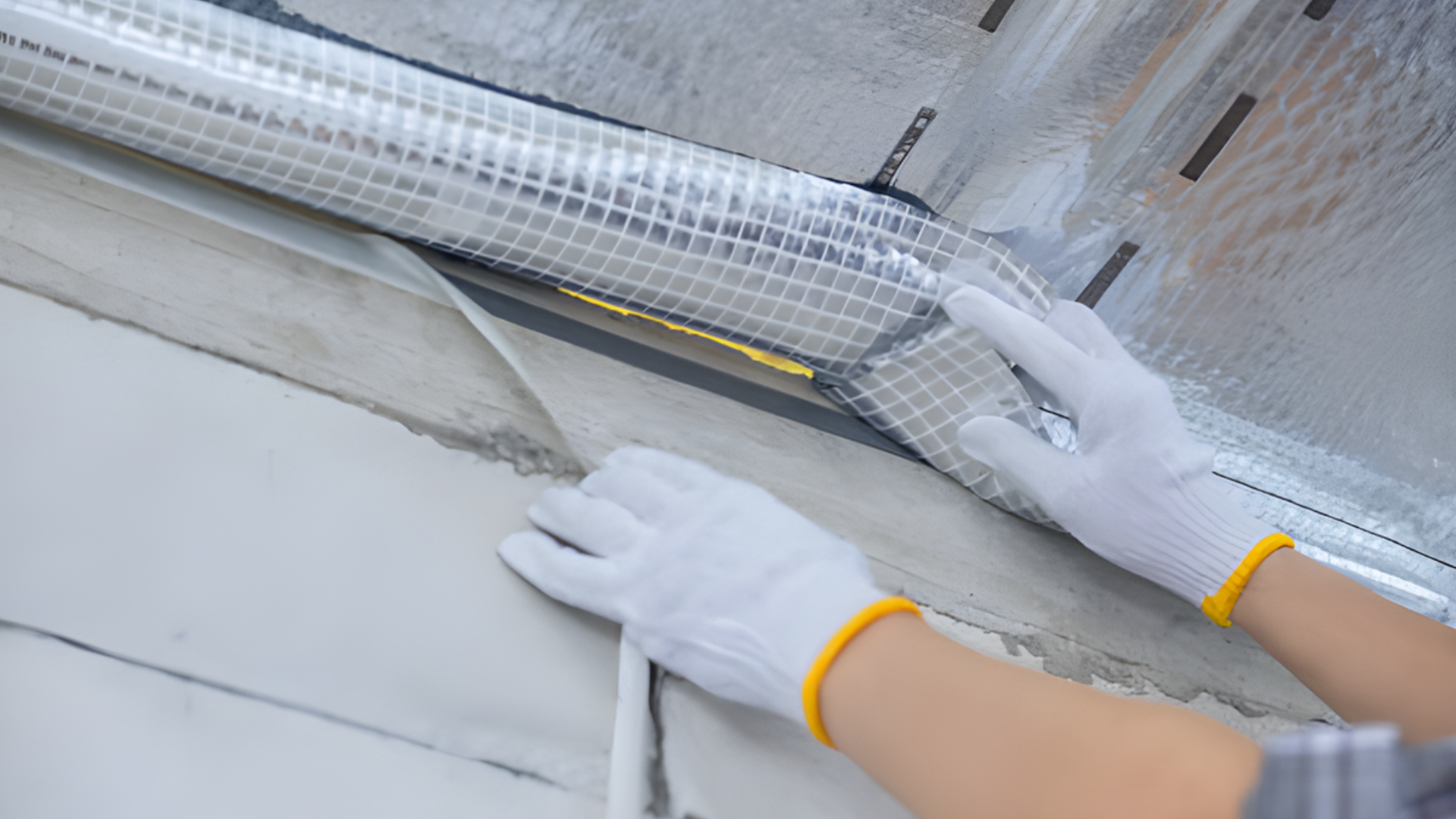
Tapes vary in construction. Choosing the right tape for vapor barrier sealing can make or break a moisture block in months. Before choosing tape, consider technical performance and environmental conditions to ensure your project lasts.
Below are the most important qualities of vapor barrier tape and how they affect seal quality.
1. Adhesion Strength
Most importantly, vapor barrier tape sticks well and stays put. It must stick to plastic sheets, foil, or insulation without lifting, curling, or peeling. Look for polyethylene or metal tapes because carton or duct tape can lose its grip in different temperatures and humidity.
2. Material Compatibility
The best results come when the tape and vapor barrier are made from compatible materials. For example, PE (polyethylene) tapes adhere best to plastic vapor barriers, while foil tapes are ideal for reflective or radiant barriers. Acrylic or butyl adhesives provide extra flexibility and long-term bonding, especially in fluctuating conditions.
3. Moisture & Temperature Resistance
Moisture and temperature are the true tests of a tape’s strength. Choose one that can handle high humidity, cold basements, or hot attics without losing adhesion. Moisture-resistant adhesives prevent blistering, while temperature-rated tapes maintain a solid bond even in subzero or high-heat environments.
4. Durability & Longevity
If your vapor barrier is part of a permanent installation, short-term construction tapes won’t do. Opt for heavy-duty or industrial-grade tapes with UV and aging resistance. These maintain their seal for years and prevent degradation caused by exposure to air, sunlight, or building movement.
5. Ease of Application
A strong tape is only as good as how well it’s applied. Look for options that unwind smoothly and don’t wrinkle or stretch excessively. Using tape dispensers or pre-cut rolls can make installation faster and more precise, especially for long seams or overhead work.
6. Project Conditions
Every space behaves differently. A crawl space or basement will need a different tape than an insulated wall or ceiling. Indoor areas may allow more flexibility, while outdoor or high-humidity zones require higher adhesion and water-resistant adhesives.
Once you know what to look for, like how well it sticks to things and how well it stands up to the elements, the next step is to choose the type of tape that works best with your material and purpose.
Types of Tape Used for Vapor Barriers
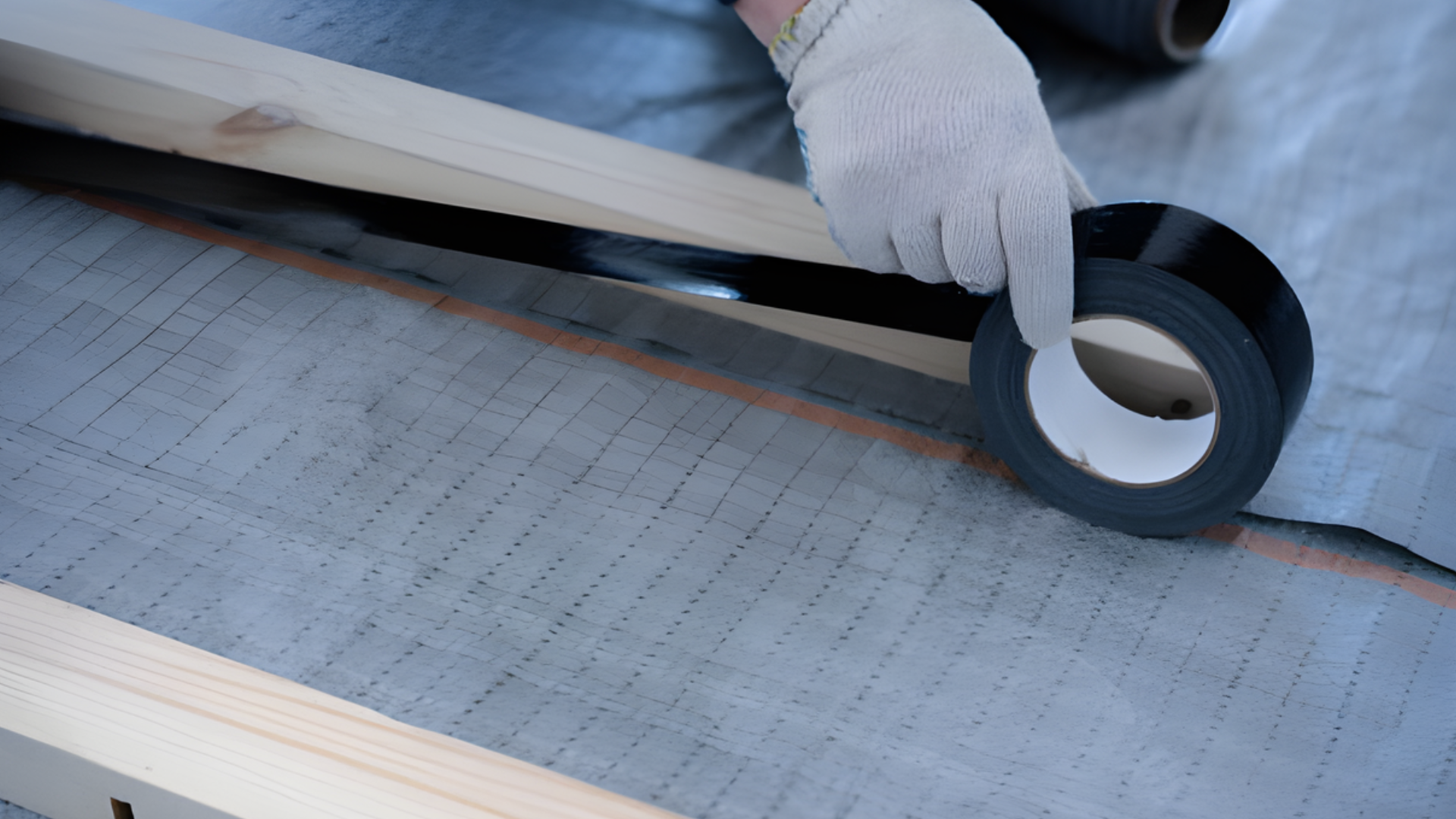
Here are the most common types of tape used for vapor barriers and where each works best:
1. Acrylic Adhesive Tape
Acrylic tapes are known for their long-term adhesion, temperature stability, and UV resistance. They form a strong bond on both polyethylene and foil surfaces and maintain flexibility in fluctuating temperatures. This makes them ideal for sealing seams in both residential and commercial buildings, especially where durability and appearance matter.
Best for: Long-term projects, high-humidity or temperature-variable environments.
APG Equivalent: Pressure Sensitive Carton Sealing Tape is a strong, all-weather acrylic-based option ideal for vapor barrier seams.
2. Butyl Tape
Butyl tapes are made from rubber-based adhesives that stay flexible and tacky even in cold or damp conditions. They provide excellent waterproofing and can stretch slightly without losing adhesion. Butyl is especially effective for underground or exterior applications such as basements, crawl spaces, and foundation walls.
Best for: Waterproofing, exterior or underground vapor barriers
APG Equivalent: Water-Activated Carton Sealing Tape makes a strong seal that won't let water in, perfect for places that tend to get wet.
3. Foil Tape
Aluminum foil tapes are designed for reflective or radiant vapor barriers commonly used in HVAC systems, attics, or thermal insulation. Their metal backing offers superior heat resistance and excellent vapor sealing. The reflective surface also helps maintain temperature balance within the insulation system.
Best for: HVAC, radiant barriers, and high-temperature installations
APG Equivalent: Aluminum Foil Tape is a heavy-duty and heat-resistant, ideal for long-lasting reflective barrier sealing.
4. Polyethylene (PE) Tape
PE tapes are specifically made for sealing plastic vapor barrier sheets. They provide a tight bond to polyethylene film and resist tearing, making them the go-to option for construction projects involving plastic sheeting. Many come in thick, durable rolls that are easy to handle and apply.
Best for: Plastic vapor barriers and general construction applications
APG Equivalent: Stretchable Tapes or Flatback Tapes are durable, flexible options for bonding to polyethylene and other smooth surfaces.
5. Specialty and Reinforced Tapes
Some vapor barrier projects call for reinforced or specialty tapes that combine strength with flexibility, like filament-reinforced tapes for heavy-duty sealing or double-sided options for insulation attachment. These provide extra security in industrial or high-stress environments.
Best for: Industrial settings, heavy-load areas, or high-tension seams
APG Equivalent: Filament Tape or Tensilized Poly Strapping Tape both offer high tensile strength and excellent holding power for demanding applications.
Choosing the right tape is only half the job. Even the strongest tape won’t hold up if it’s not applied correctly. Let’s go through the proper way to apply vapor barrier tape for a tight, professional-grade seal.
Step-by-Step: How to Apply Vapor Barrier Tape?
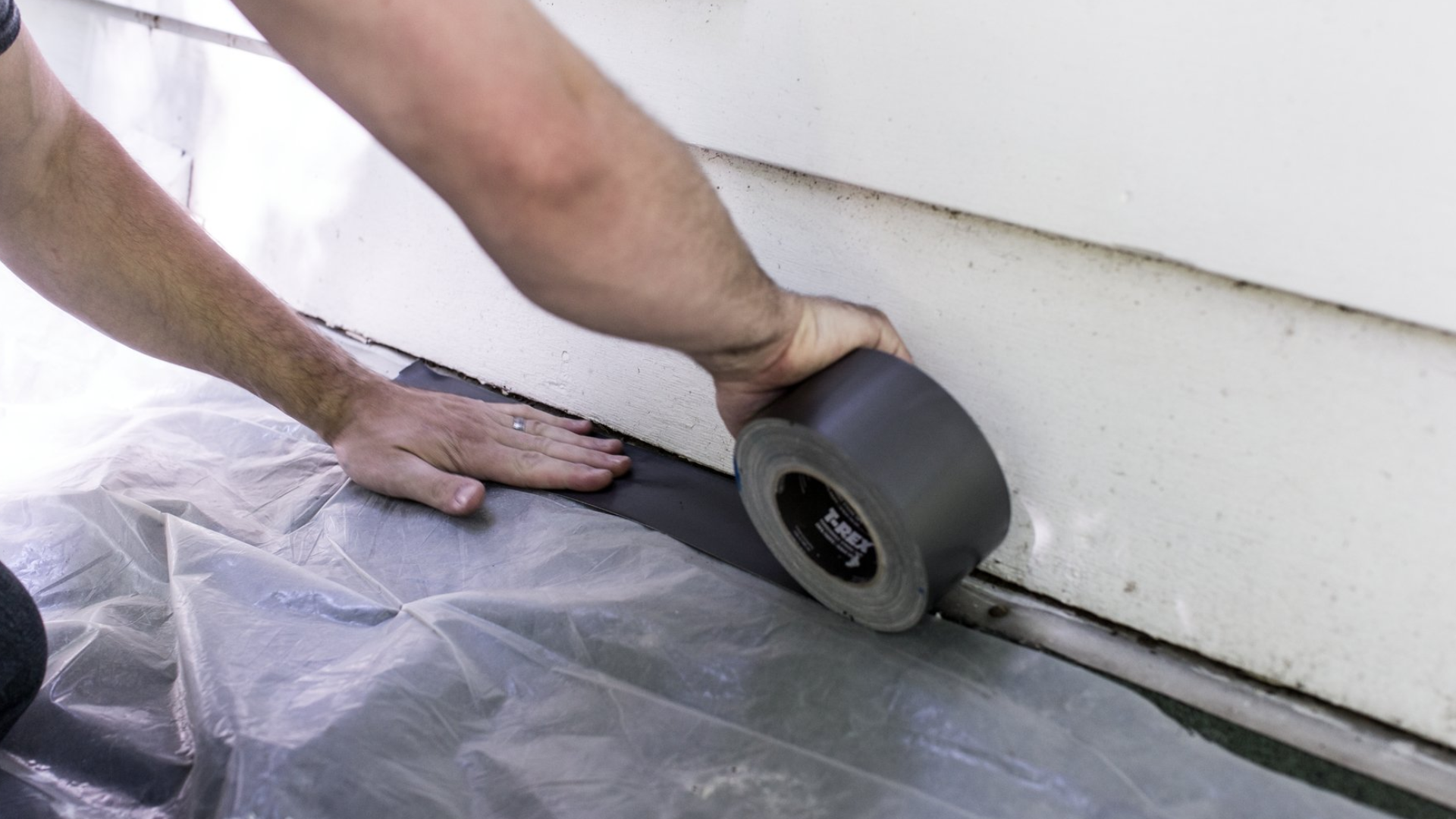
Follow these steps to ensure every seam in your vapor barrier is airtight, watertight, and built to last.
1. Clean and Dry the Surface
Before applying any tape, make sure the vapor barrier surface is clean, dry, and free from dust or debris. Moisture or dirt can weaken adhesion and cause the tape to peel later. Wipe down the area with a dry cloth or allow any condensation to evaporate before sealing.
2. Overlap the Vapor Barrier Sheets
Position your vapor barrier sheets so they overlap by at least 2 to 4 inches. This overlap ensures complete coverage and prevents moisture from seeping through the gaps. Smooth out wrinkles or folds before taping to get a flat, uniform surface.
3. Apply the Tape Centered on the Seam
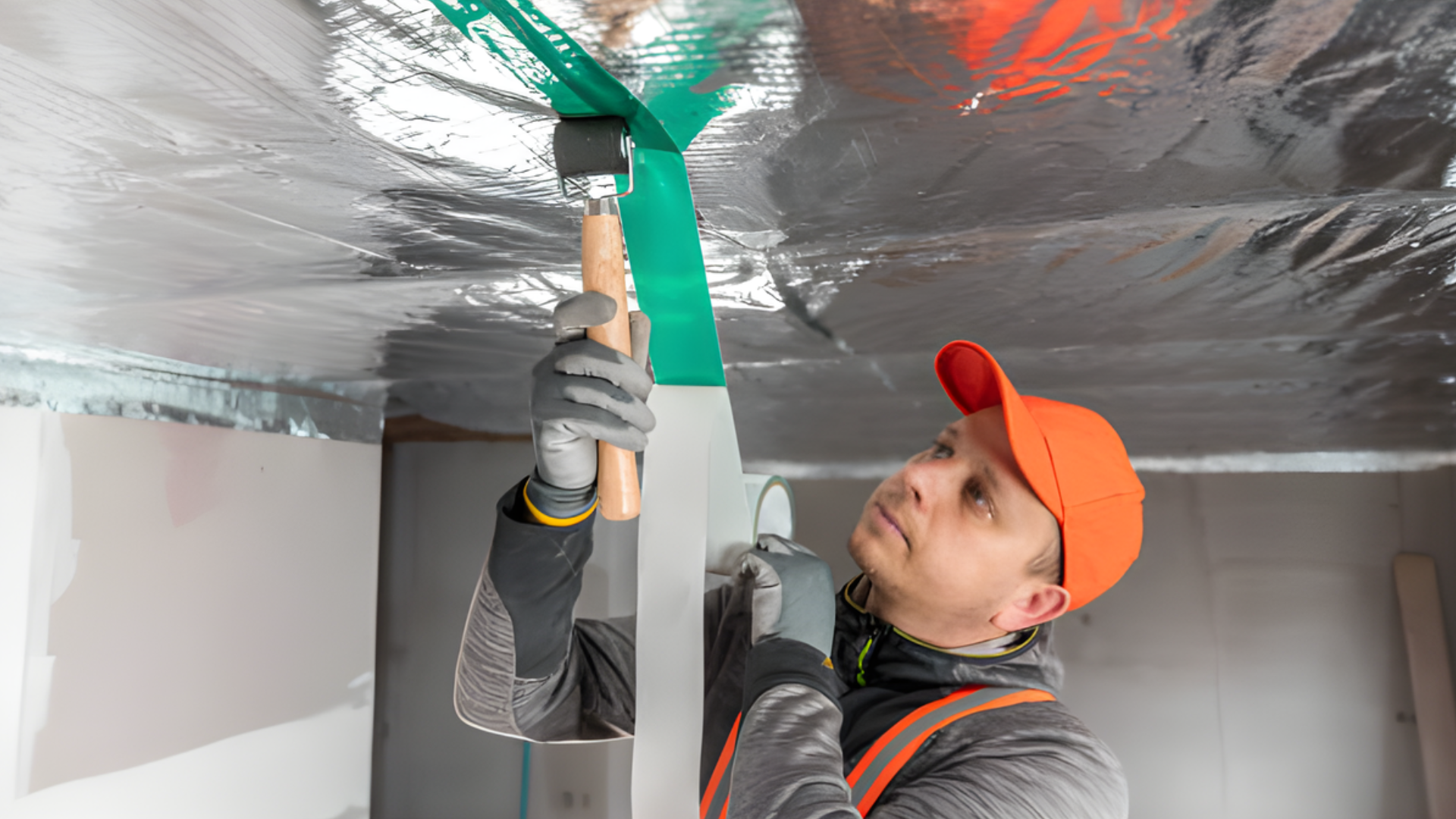
Unroll your tape and place it directly over the overlap, centering it along the seam. Press firmly as you go to remove air bubbles and ensure maximum contact between the tape and the surface. For large projects, use a tape dispenser to make the application faster and neater.
4. Seal Corners and Edges
Pay special attention to corners, edges, and irregular surfaces. Cut smaller sections of tape to fit around corners or tight spaces, pressing down firmly to avoid gaps. Reinforce any cutouts or penetrations (like pipes or vents) with extra layers of tape.
5. Press and Secure the Seal
Once all seams are taped, apply firm pressure along the full length of the tape using your hand or a roller. This helps the adhesive bond completely and eliminates small air pockets. Check that there are no loose ends or lifted edges.
6. Add an Extra Layer of Protection
For areas exposed to humidity or temperature changes, wrap your sealed seams with stretch film or shrink film for an added layer of protection. This prevents moisture buildup and strengthens the barrier for long-term use.
7. Inspect Before Finishing
After all seams are sealed, do a final inspection. Look for any missed gaps, wrinkles, or edges that may need re-taping. Once satisfied, proceed with insulation or drywall installation, knowing your vapor barrier is fully protected.
If you put up your vapor barrier the right way, it will stay sealed for years. But people do make some mistakes that can ruin even the best installation. If you know what to look out for, it's easy to avoid these mistakes.
Common Mistakes to Avoid
Even experienced builders can make small errors that compromise the integrity of a vapor barrier. These mistakes often lead to peeling tape, trapped moisture, or air leaks that reduce insulation performance. Avoiding them ensures your installation stays strong and effective for years.
Here are the most common mistakes, and how to prevent them:
1. Using the Wrong Type of Tape
Not all tapes are suitable for vapor barriers. Regular duct tape or masking tape may stick initially, but they lose adhesion quickly in humid or cold environments. Always choose vapor barrier-specific tapes such as acrylic, butyl, or polyethylene-based types that maintain a long-lasting seal.
2. Applying Tape on Dirty or Wet Surfaces
Dust, moisture, or condensation on the barrier surface weakens adhesive strength and causes premature peeling. Always clean and dry the area before taping to ensure a firm, continuous bond.
3. Overstretching or Wrinkling the Tape
When you put the tape on, if you pull it too tight, it can get wrinkles, bubbles, or tension gaps that let air or moisture pass through. Instead of stretching, use light, even pressure to put it on, and smooth out any wrinkles as you go.
4. Ignoring Temperature Guidelines
Each tape type has a recommended temperature range for best performance. Applying tape in freezing conditions or extreme heat can reduce tackiness or cause the adhesive to fail. Check the manufacturer’s specifications before installation, especially for outdoor or crawl-space projects.
5. Skipping Edge Reinforcement
Corners, seams near joints, and barrier edges are the most vulnerable points for leaks. Many installers skip re-taping or reinforcing these areas, which leads to moisture seepage. Add extra strips of tape or stretch film for added security and long-term strength.
6. Not Inspecting the Seals
After installation, it’s essential to inspect every seam. Loose ends or bubbles may look minor, but they can compromise the entire vapor barrier system. Press firmly along each seam or reapply tape where needed before moving forward with insulation or drywall.
Avoiding these simple mistakes can make all the difference in your project’s success. Now, let’s explore some recommended tapes and sealing supplies that can help you achieve long-lasting, professional results.
Recommended Tapes and Supplies
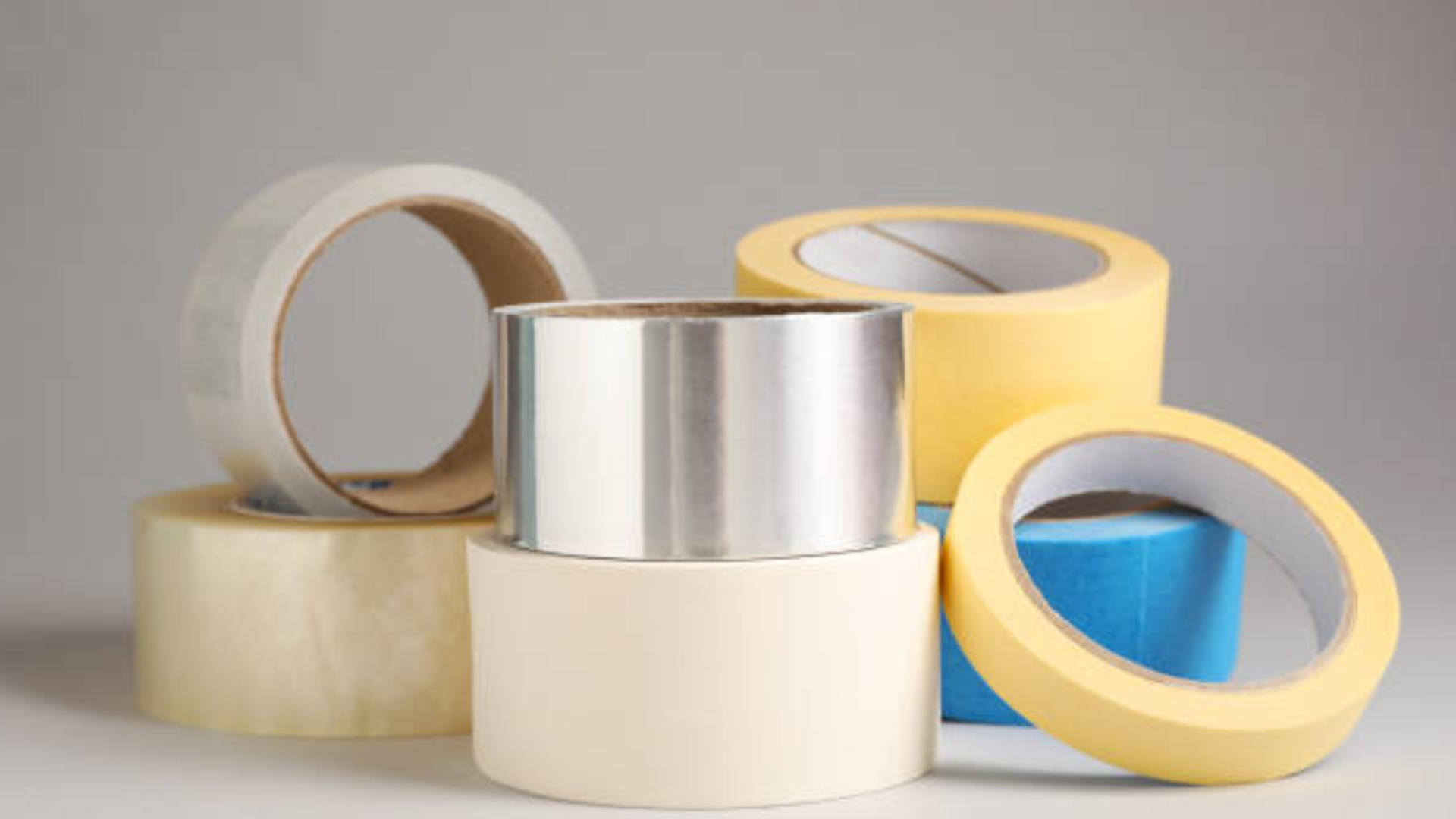
When it comes to long-lasting, moisture-resistant sealing, choosing the right brand matters as much as the tape itself. Alliance Packaging Group (APG) is a trusted U.S.-based packaging supplier offering a complete range of industrial-grade tapes, films, and sealing solutions designed for construction, manufacturing, and logistics.
Their Pressure Sensitive, Water-Activated, and Aluminum Foil Tapes are especially effective for vapor barrier applications, ensuring a consistent, airtight seal that withstands moisture, humidity, and temperature changes.
1. Pressure-Sensitive Carton Sealing Tape
A versatile, all-purpose acrylic-based tape designed for strong adhesion on plastic and metal surfaces. It’s ideal for sealing polyethylene vapor barriers and maintaining a firm bond even in changing temperatures.
Best for: Everyday vapor barrier seams and general sealing
Why choose it: Smooth unwind, high tack, and long-term durability
Made by: Alliance Packaging Group, part of APG’s moisture-resistant tape range.
2. Water-Activated Carton Sealing Tape
This tape was made to be as resistant to water as possible, and when it comes in contact with water, it forms an incredibly strong bond. It becomes part of the surface once it's put on, which makes it perfect for places where the temperature or humidity changes a lot.
Best for: Crawl spaces, basements, and high-humidity zones
Why choose it: Tamper-proof seal and long-lasting adhesion under moisture
Made by: APG, designed to deliver superior grip and water resistance.
3. Aluminum Foil Tape
For vapor barriers that involve reflective or radiant insulation, aluminum foil tape is the go-to solution. Its metal backing reflects heat and provides superior vapor sealing, especially in HVAC and attic installations.
Best for: Radiant barriers, reflective insulation, and HVAC ducts
Why choose it: Excellent heat resistance and long-term reflective protection
4. Stretch Films and Shrink Films
An often-overlooked addition, stretch films and shrink films add another layer of protection against condensation and damage. Wrapping your sealed vapor barrier seams with film keeps them secure and moisture-free during construction or transport.
Best for: Reinforcing sealed seams and protecting stored materials
Why choose it: Shields from dirt, moisture, and movement
5. Filament and Tensilized Poly Strapping Tapes
For heavy-duty or industrial vapor barrier uses, especially when there is a lot of tension or weight, these reinforced tapes are very strong and won't tear easily.
Best for: High-stress seams or load-bearing areas
Why choose it: Reinforced fibers offer maximum hold and reliability
6. Supporting Products: Boxes, Poly Bags, and Labels
APG also supplies corrugated boxes, labeling solutions, and poly bags to simplify material storage and logistics. These support clean, organized, and moisture-resistant handling from warehouse to site.
Best for: Storing or shipping construction materials
Why choose it: Durable, reusable, and moisture-resistant
Once you’ve selected the right tapes and accessories for your vapor barrier project, all that’s left is proper installation and maintenance.
Conclusion
Every little thing counts when it comes to keeping water damage from happening to your building. This includes the tape you use to seal the seams of your vapor barrier.
With the right tape, you can make a continuous seal that keeps out air, water, and mold. This will protect your insulation and keep your space's structure strong for years to come.
Alliance Packaging Group (APG) stands at the forefront of industrial packaging and sealing solutions. With decades of expertise in manufacturing Pressure-Sensitive, Water-Activated, and Aluminum Foil Tapes, along with stretch films, dispensers, and protective packaging supplies, APG has become a trusted partner for builders, contractors, and commercial operators across North America.
Whether it’s sealing vapor barriers, securing shipments, or maintaining long-term moisture protection, APG’s products are engineered for reliability, performance, and precision. Each product is made to deliver long-lasting results, helping professionals seal with confidence and build with durability.
Looking for reliable moisture-sealing solutions? Explore Alliance Packaging Group’s full range of tapes, films, and sealing tools at apg-go.com.
FAQs
1. What is the best tape for vapor barrier seams?
The best tape depends on your project and environment. Acrylic tapes work well for most indoor applications, butyl tapes are great for damp or cold areas, and foil tapes are ideal for radiant barriers or HVAC systems.
For consistent quality, Alliance Packaging Group’s Pressure Sensitive and Water-Activated Tapes are top choices for strong, long-lasting seals.
2. Can I use duct tape for a vapor barrier?
No. Duct tape is not suitable for vapor barriers because it breaks down under moisture and temperature changes.
Always use a vapor barrier-specific tape made from acrylic, butyl, or polyethylene materials designed to resist humidity and aging.
3. How wide should vapor barrier tape be?
A good rule of thumb is 2 to 4 inches wide to cover overlaps completely and ensure airtight sealing. Wider tapes are better for uneven or rough surfaces.
4. What temperature should I apply the vapor barrier tape?
Most vapor barrier tapes perform best between 40°F and 100°F (4°C–38°C). For cold-weather projects, choose tapes specifically rated for low-temperature application, like butyl-based or water-activated options.
5. How long does vapor barrier tape last?
When applied correctly and paired with quality materials, vapor barrier tape can last 10–20 years or more without losing adhesion.
Using industrial-grade tapes from Alliance Packaging Group ensures maximum longevity.
6. Should I tape every seam of a vapor barrier?
Yes, you should tape every seam, edge, and opening (like a pipe or vent) to make a smooth, sealed surface.
Moisture and air can get through seams that aren't sealed, making the barrier less effective.