Introduction
Most products never get a fair shot — because the packaging already lost the sale. Research shows 73–85% of consumer purchase decisions happen at the point of sale, where design is the primary differentiator between competing products. Whether your product sits on a crowded retail shelf or arrives at a customer's doorstep, those first three seconds of visual impact determine whether it gets picked up or passed over.
This article covers 50+ actionable packaging design ideas across six creative categories — minimalist, bold, sustainable, structural, interactive, and typography-focused — plus practical guidance on execution. Use it to match the right visual and structural approach to your product, your customer, and your brand.
Key Takeaways
- Effective packaging combines visual appeal, structural innovation, and brand storytelling to drive purchase decisions
- 50+ ideas below are organized into six categories: minimalist, bold/expressive, sustainable, structural, interactive, and typography-focused
- Strong designs are matched to your product type, target customer, and brand identity—not just chosen for aesthetics
- Execution depends on the right materials, box formats, and a supply partner who can fulfill in volume
What Makes Product Packaging Design Effective
Great packaging performs four core functions simultaneously: it protects the product, attracts attention, communicates brand identity, and supports the purchase decision. When these elements work together, packaging becomes a silent salesperson that converts browsers into buyers.
The Purchase Decision Impact
According to global research by Ipsos, 72% of consumers say packaging design influences their purchasing decisions. This isn't just about aesthetics—it's about strategic differentiation in crowded markets. Products with premium packaging see 52% higher repeat purchase rates, demonstrating that packaging quality directly affects customer loyalty and lifetime value.
The ROI of Strategic Redesign
Nielsen BASES research found that optimized packaging redesigns generate an average 5.5% lift in forecasted revenue. The catch: 9 out of 10 redesigns fail to deliver meaningful sales impact. That gap between intention and result almost always traces back to design decisions driven by trends rather than customer data.
The Building Blocks of Effective Packaging
Every successful packaging design relies on five foundational elements:
- Color - Creates instant emotional response and category recognition
- Typography - Establishes hierarchy and communicates brand voice
- Material choice - Signals quality level and brand values
- Structural form - Sets your product apart on shelf and turns opening into an experience
- Information hierarchy - Guides the eye to key messages in priority order
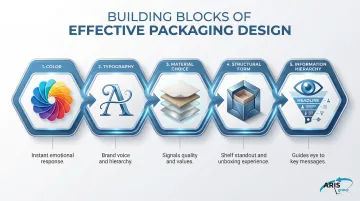
Understanding these building blocks makes the difference between packaging that looks good in a mood board and packaging that actually sells.
50+ Innovative Product Packaging Design Ideas to Inspire Your Brand
These ideas are organized into six creative categories. Use them as a starting point for brainstorming, mixing styles, or refreshing an existing product line.
Minimalist and Clean Design Ideas
Minimalist packaging signals confidence, purity, and modern sophistication. Research shows that aesthetically minimalist packaging significantly increases perceived product quality and consumer trust, making it particularly effective for premium positioning.
8 minimalist packaging design ideas:
- All-white packaging with embossed logo - Creates a premium impression through restraint and tactile detail
- Single-color monochromatic box design - Establishes immediate brand recognition through consistent color blocking
- Negative space illustration on labels - Uses empty space strategically to draw attention to key product features
- Clean sans-serif typography on kraft paper - Combines modern simplicity with natural, trustworthy materials
- Clear window packaging where product is the design - Lets product quality speak for itself, ideal for food and beauty categories
- Matte finish with foil stamp accent - Balances understated elegance with strategic metallic highlights
- Minimalist icon-only branding - Strips away text to create an instantly recognizable visual identity
- Uncoated natural texture with simple print - Emphasizes authenticity and craftsmanship through raw material aesthetic
Minimalist designs work especially well for beauty, wellness, and artisan food categories. According to industry data, 60% of beauty buyers are influenced by aesthetic packaging — and minimalism tends to outperform busier designs in premium positioning studies.
Bold and Expressive Visual Design Ideas
Bold packaging strategies create shelf disruption and category standouts. These approaches work best when you need to break through visual clutter or appeal to younger, trend-conscious demographics.
9 bold packaging design ideas:
- Vibrant color blocking with complementary splits - Creates instant shelf recognition through high-contrast color zones
- Full-bleed illustrated mascots or characters - Builds brand personality and emotional connection, particularly effective for food and beverage
- Gradient backgrounds with 3D-style typography - Produces a modern, digital-native aesthetic that resonates with Gen Z consumers
- Neon color palette on dark backgrounds - Increases contrast and visibility in competitive retail environments
- All-over pattern print - Establishes distinctive brand texture that's recognizable even from a distance
- Oversized bold typography as hero visual - Makes key product attributes instantly scannable at point of sale
- Illustrated product origin stories - Communicates farm-to-shelf narrative visually for transparency-focused brands
- High-contrast black-and-white photography - Creates an editorial, premium aesthetic for lifestyle and fashion products
- Retro or vintage illustrated labels - Taps into nostalgia and heritage positioning for artisan and craft categories
Starbucks redesigned its packaging with hand-drawn illustrations and color blocks to make different roast blends easily shoppable and distinguishable on-shelf, demonstrating how bold design creates functional differentiation.
Sustainable and Eco-Friendly Packaging Ideas
Consumer and regulatory pressure have made sustainable packaging a baseline requirement for many product categories. The global sustainable packaging market is projected to reach $448.53 billion by 2030, growing at 7.6% annually. Approximately 60-70% of consumers indicate willingness to pay a premium for sustainable packaging options.
8 sustainable packaging design ideas:
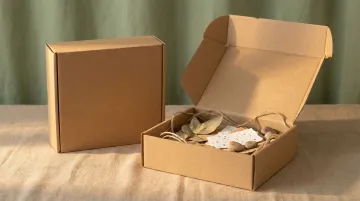
- Recycled kraft board with soy-based ink printing - Combines high recycled content with non-toxic, plant-based printing
- Seed paper packaging consumers can plant - Turns discarded packaging into a living brand moment consumers remember
- Reusable tin or glass containers with peel-off seasonal labels - Extends product life and encourages repeat purchase through container reuse
- Minimally printed corrugated boxes with vegetable ink - Reduces material use while maintaining recyclability and compostability
- QR codes that replace printed inserts - Eliminates paper waste by directing consumers to digital product information
- Water-soluble inner wrapping - Provides product protection that dissolves completely without environmental impact
- Biodegradable cellophane windows - Maintains product visibility while ensuring complete compostability
- Packaging made from agricultural byproducts - Uses sugarcane pulp and similar waste streams to close the material loop
Regulatory pressure is accelerating sustainable adoption. The EU's Packaging and Packaging Waste Regulation mandates 30% recycled content for PET food packaging and bans PFAS chemicals. US states including California, Colorado, and Oregon have enacted Extended Producer Responsibility (EPR) laws requiring producers to fund end-of-life management.
Structural and Form-Based Design Ideas
Structural innovation elevates perceived value and creates memorable unboxing experiences. Research shows that premium formats like rigid drawer boxes can increase perceived product value by 30-45%, particularly in luxury and tech sectors.
9 structural design ideas:
- Die-cut windows that reveal product inside - Increases purchase confidence by providing product visibility before opening
- Origami-inspired foldable flat-pack structures - Reduces shipping costs while creating an engaging assembly experience
- Nesting packaging where multiple SKUs stack for retail display - Improves shelf efficiency and creates cohesive brand blocking
- Packaging that converts into display stand - Extends product utility and encourages prominent placement in the customer's space
- Drawer-style sliding box designs - Creates a premium reveal moment that elevates the unboxing ritual
- Custom-shaped or sculptural rigid containers - Mirrors product form for instant category recognition
- Magnetic closure rigid boxes for premium products - Provides a luxury tactile experience that supports higher price points
- Tuck-and-lock resealable closures - Provides functional reusability that extends product life
- Tube packaging for cylindrical products - Protects product while creating a distinctive shelf silhouette
Structural design choices are directly linked to box format and material selection. Having access to a wide variety of box sizes and formats — such as Alliance Packaging Group's 1,000+ box sizes — gives brands the flexibility to prototype and execute structural concepts without sourcing constraints.
Interactive and Experiential Packaging Ideas
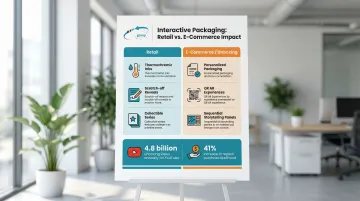
Interactive packaging transforms the first physical brand touchpoint into a genuine engagement opportunity. A premium unboxing experience increases repeat purchase likelihood by 41% and encourages 42% of consumers to share their experience on social media.
8 interactive packaging design ideas:
- Thermochromic inks that change color with temperature or touch - Creates a reveal moment that naturally encourages social sharing
- Scratch-off reveals for hidden messages or discounts - Turns unboxing into a game and gives customers a reason to come back
- QR codes linking to augmented reality brand experiences - Connects physical packaging to digital content for extended brand storytelling
- Packaging that unfolds into poster or display piece - Gives packaging a second life beyond product protection
- Limited-edition seasonal or collectible packaging series - Drives urgency and repeat purchase through scarcity and collectibility
- Personalized packaging with customer name or order details - Creates an individual connection that increases perceived value
- Sequential storytelling panels across product range - Encourages collection behavior and cross-product purchase
- Built-in gamification or loyalty reward mechanics - Turns packaging into a retention tool through loyalty points or redeemable codes
Interactive packaging is particularly powerful for e-commerce brands where the unboxing moment is the first physical brand touchpoint. Unboxing videos generate over 4.8 billion views annually on YouTube, highlighting the organic marketing potential of well-designed experiential packaging.
Typography and Label-Focused Design Ideas
Typography-driven packaging works especially well for artisan, food & beverage, and cosmetics categories where craft and authenticity drive brand perception.
8 typography-led packaging design ideas:
- Hand-lettered script logo as primary design element - Communicates artisan craftsmanship and personal touch
- High-contrast serif/sans-serif pairing for visual hierarchy - Creates a sophisticated editorial aesthetic with clear information flow
- Die-cut label shapes that mirror product's form - Reinforces product identity through shape repetition
- Vertical text orientation for modern editorial aesthetic - Breaks expected patterns to create a distinctive shelf presence
- Metallic foil-stamped text on dark backgrounds - Achieves a premium feel through contrast and tactile finish
- Embossed or debossed typography on premium rigid boxes - Creates a luxury tactile experience that supports higher price points
- Stamp-style vintage typographic labels - Taps into heritage and authenticity positioning
- Multi-language typography used as decorative design feature - Signals global appeal while creating visual texture
Typography choices directly influence scannability and purchase decision speed. At point of sale, shoppers form their first impression in under three seconds — which means font weight, contrast, and hierarchy do most of the selling before the product ever gets picked up.
Packaging Design Considerations by Industry
Food and Beverage Brands
FDA compliance under 21 CFR Part 101 directly constrains layout decisions — structural hierarchy and negative space must work around mandatory elements. Required label components include:
- Nutrition Facts panels
- Ingredient lists (in descending order of predominance)
- Allergen declarations under FALCPA
All must be conspicuous and legible, which limits creative flexibility more than in most other categories.
Sustainable packaging is now a baseline expectation in this category, not a differentiator. The food and beverage segment accounts for 49% of sustainable packaging market revenue, with reusable containers now constituting 12% of European sector packaging materials. Flavor and variant differentiation through color coding remains one of the most effective approaches for creating shoppable product ranges.
E-commerce and Retail Brands
The difference between shelf-impact design and unboxing-experience design is fundamental. Retail packaging must perform in competitive visual environments where dozens of products compete for attention simultaneously. E-commerce packaging must perform without retail context, making interior print, tissue layers, and structural reveal moments especially important.
For customers who've never visited a store, the box is the brand. That experience drives real investment: the sustainable packaging market for e-commerce is accelerating at a CAGR of 12.63% through 2031, fueled by consumer expectations and retailer sustainability mandates.
Manufacturing, Industrial, and B2B Brands
Even functional corrugated shipping boxes benefit from branded design elements. Custom print, color tape, and branded labels reinforce professionalism and aid warehouse identification. In B2B contexts, packaging consistency signals operational excellence and attention to detail.
Alliance Packaging Group's extensive corrugated inventory includes heavy-duty options with ECT ratings from ECT-32 (standard) to ECT-90 (triple wall), providing the structural foundation for B2B applications where protection and brand consistency must coexist.
How to Execute Your Packaging Design: From Concept to Box
Step 1 — Define Your Brand Brief Before Designing
The best packaging ideas fail when they're not anchored in a clear brand brief. Before briefing a designer, define these elements:
- Target audience demographics and psychographics
- Brand voice and personality attributes
- Product category and competitive set
- Price positioning and perceived value target
- Distribution channels (retail vs. e-commerce vs. both)
- Sustainability commitments and material constraints
Without this foundation, even beautiful designs miss strategic objectives and fail to convert.
Step 2 — Match the Design Idea to the Right Structural Format
Visual design and structural format must be decided together, not sequentially. A die-cut window idea requires a specific box style. An origami fold requires a specific board weight. Shortlist structural format options early before any visual direction is finalized.
Alliance Packaging Group's 1,000+ box sizes provide the structural foundation for executing diverse design concepts, including:
- Multi-depth and telescoping formats for variable product sizes
- Drawer-style sliding boxes for premium unboxing experiences
- Tube packaging for cylindrical or rolled products
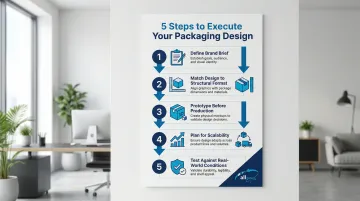
Step 3 — Prototype Before Committing to Production
Physical prototyping is essential. Digital mockups help visualize design but cannot replicate how inks, finishes, and closures behave on physical materials. The International Safe Transit Association recommends standardized testing procedures to predict performance and prevent damage during distribution.
Skipping pre-shipment testing increases the risk of product damage, returns, and material waste. Identifying failure points early lets brands fine-tune both cost and environmental impact before committing to full-scale production.
Step 4 — Plan for Scalability and Reorder Lead Times
Complex designs often require custom finishes, specialty inks, or non-standard box sizes that create supply chain bottlenecks. Businesses should work with a packaging supplier that maintains broad inventory and offers just-in-time delivery to avoid production delays when scaling.
Alliance Packaging Group maintains over 10,000 packaging products in stock for immediate shipment, with same-day shipping available for most orders. This inventory-first approach eliminates common backorder problems and extended wait times that derail product launches.
Step 5 — Test Design Against Real-World Use Conditions
Packaging must perform across multiple conditions before launch. ISTA test procedures include general simulation series and retailer-specific profiles that validate performance across distribution scenarios. Key areas to validate:
- Transit durability through realistic shipping conditions
- Stackability on retail shelves under load
- Ease of opening without tools or excessive force
Structural integrity and consumer experience both matter. A package that arrives intact but frustrates customers at the moment of opening undermines the impression the design was meant to create.
Conclusion
With 50+ design ideas across six categories, brands have no shortage of creative directions. The real differentiator is execution. The right idea matched to the right materials and structure is what separates memorable packaging from forgettable boxes.
Alliance Packaging Group's single-source inventory of 10,000+ products and 1,000+ box sizes — backed by nationwide just-in-time delivery — gives businesses the material foundation to execute virtually any packaging concept. Key capabilities include:
- Corrugated shipping boxes in multiple wall constructions
- Sustainable kraft materials for eco-conscious packaging
- Protective interior packaging for fragile or high-value products
- Custom solutions consultation for complex or specialized needs
Ready to transform your packaging design from concept to reality? Contact Alliance Packaging Group at 770-309-1012 or sales@apg-go.com to discuss your packaging needs with the team directly.
Frequently Asked Questions
What are the 4 types of packaging?
The four types are primary (directly contains the product, like a bottle or pouch), secondary (groups primary packages for retail, like a box of bottles), tertiary (bulk transport packaging like palletized shippers), and retail or point-of-sale packaging. Each level serves different functional and branding purposes throughout the distribution chain.
What are the 4 C's of packaging?
The 4 C's framework includes Containment (holds the product safely during distribution), Convenience (ease of use and storage for consumers), Communication (conveys brand and product information at point of sale), and Cost-effectiveness (economically viable to produce at scale while meeting other objectives).
What are the 5 P's of packaging?
The 5 P's are Protection (prevents damage during transit), Preservation (maintains product quality and shelf life), Presentation (creates visual appeal at point of sale), Promotion (communicates brand messages and differentiates from competitors), and Performance (functions effectively across all distribution touchpoints).
What makes packaging design effective for brand recognition?
Consistent color, distinctive typography, and recognizable structural form build brand recall over time. Effective packaging design communicates brand identity in under three seconds at point of sale, creating instant recognition that drives purchase decisions and builds long-term customer loyalty.
How do I choose the right packaging material for my product?
Material choice depends on product weight and fragility, required shelf life, sustainability goals, and printing requirements. Corrugated works for shipping durability, rigid board signals premium positioning, kraft communicates sustainability, and flexible films suit lightweight products.
Can sustainable packaging still look premium?
Yes. Recycled kraft, molded pulp, and soy-based inks have advanced significantly — many premium brands now use uncoated recycled stock as a design feature rather than a compromise. The key is pairing honest materials with precise structural design and deliberate typography.