With the global B2B industrial packaging market projected to reach USD 111.82 billion by 2034, industrial packaging continues to play a crucial role in ensuring the smooth operation of supply chains. Yet many procurement and operations managers struggle with finding solutions that are both efficient and cost-effective.
Late shipments, damaged products, or inefficient packaging processes can disrupt your operations and increase costs. With evolving supply chains, regulatory requirements, and sustainability pressures, businesses increasingly look for B2B industrial packaging solutions that reduce waste and adapt to evolving market demands.
This blog delves into the evolving landscape of B2B industrial packaging, highlighting key solutions, emerging trends, and the challenges businesses encounter.
Key Highlights:
B2B industrial packaging ensures you handle goods safely, efficiently, and compliantly using solutions like strapping, films, boxes, tapes, and automation.
Key trends include smart packaging, automation, sustainability, customization, advanced materials, and on-demand digital printing to enhance your efficiency and protection.
Modern packaging strengthens your supply chain resilience, reduces risks, and supports collaboration while meeting regulatory and environmental standards.
Challenges include high costs, workflow integration, training needs, and balancing sustainability with performance, highlighting the need for expert guidance.
What are B2B Industrial Packaging Solutions?
B2B industrial packaging refers to the products, tools, and systems that businesses use to safely store, transport, and distribute goods. Unlike consumer-focused packaging, B2B packaging emphasizes efficiency, durability, and compliance with operational standards.
Industrial packaging solutions are designed to protect goods during handling and transportation while helping you optimize costs and workflow. For businesses managing large inventories or complex supply chains, the right packaging solutions can prevent product damage, reduce returns, and ensure timely delivery.
These solutions range from basic cartons and tapes to advanced strapping, films, and automation tools, tailored to meet your unique manufacturing, warehousing, and distribution needs.
Key B2B Industrial Packaging Solutions for Businesses

Businesses require a mix of packaging solutions to maintain efficiency, safety, and quality across their operations. Each solution is tailored to meet your specific needs, whether you are securing heavy machinery, delicate electronics, or bulk consumer goods.
Here are the key solutions businesses rely on:
Packaging Equipment
Packaging equipment, including conveyors, sealing systems, and automated material-handling tools, forms the backbone of modern B2B industrial packaging workflows. Alliance Packaging Group provides customizable conveyor solutions engineered to integrate smoothly into manufacturing and warehouse environments, reducing manual labor and increasing throughput.
Tapes and Adhesives
Tapes remain a simple yet essential component of your industrial packaging. With over 1,000 varieties available, you can select options for different weights, surfaces, and conditions. Trusted brands like 3M and IPG offer durable, reliable products that prevent shipping errors and keep your packages intact throughout transit.
Strapping
Strapping solutions, whether polypropylene, polyester, or steel, stabilize your loads during transit. They are crucial for securing pallets and heavy-duty shipments. When paired with the right tools, strapping ensures both safety and operational efficiency.
Films: Shrink and Stretch
Shrink film protects your products from dust and damage while maintaining a clean appearance, while stretch film provides flexible packaging options for palletized goods. Both are available in various sizes, thicknesses, and grades to meet industrial requirements.
Premium brands like Reynolon, Exlfilmplus, and Goodwrappers offer reliable performance and durability.
Boxes and Shipping Containers
From small cartons to large shipping containers, choosing the right size and configuration is essential for cost-effective and safe transport. You can select options that support just-in-time supply chains, reduce storage needs, and maintain product integrity.
Hand Tools and Supplies
Shipping rooms require essential tools for labeling, cutting, marking, and cleaning. Proper hand tools improve efficiency and ensure consistent packaging quality across operations.
With these solutions in place, you can improve operational workflows, minimize product damage, and deliver consistent customer satisfaction. Next, let's discuss the emerging trends shaping B2B packaging in 2026.
Top 7 Emerging Trends in B2B Industrial Packaging

The packaging industry is undergoing significant transformations, driven by technological advancements and shifting market demands. Key trends include:
Smart & Connected Packaging
Smart and connected packaging integrates technology into packaging materials to provide real-time tracking, monitoring, and operational insights. It goes beyond traditional protection, transforming packaging into a tool for visibility and efficiency.
RFID Tags and QR Codes: You can scan and track products easily throughout your supply chain, getting detailed location and inventory updates.
IoT Sensors: Monitor environmental conditions like temperature, humidity, or vibration to protect sensitive products.
Data Analytics: Collected data can identify delays, inefficiencies, and potential risks in transit.
Security Features: Smart packaging helps you prevent tampering or theft, enhancing product integrity during transportation.
Smart packaging helps you reduce operational risks, improve accountability, and make informed decisions, giving your supply chain a proactive rather than reactive approach.
Sustainability as Standard
Sustainability is becoming a central expectation in B2B packaging. Companies now prioritize eco-friendly materials, reduced waste, and compliance with environmental regulations to meet client and societal demands.
Eco-Friendly Materials: Recyclable, biodegradable, or renewable packaging reduces environmental impact.
Waste Reduction: Optimized packaging sizes and minimal material usage cut unnecessary waste.
Regulatory Compliance: Meeting federal and state environmental regulations helps businesses avoid fines and reputational damage.
Enhanced Brand Reputation: Sustainable practices strengthen your brand with clients, partners, and environmentally conscious end-users.
By adopting sustainable packaging strategies, companies not only protect the environment but also realize operational cost savings and strengthen their market credibility.
Automation & Robotics in Packaging
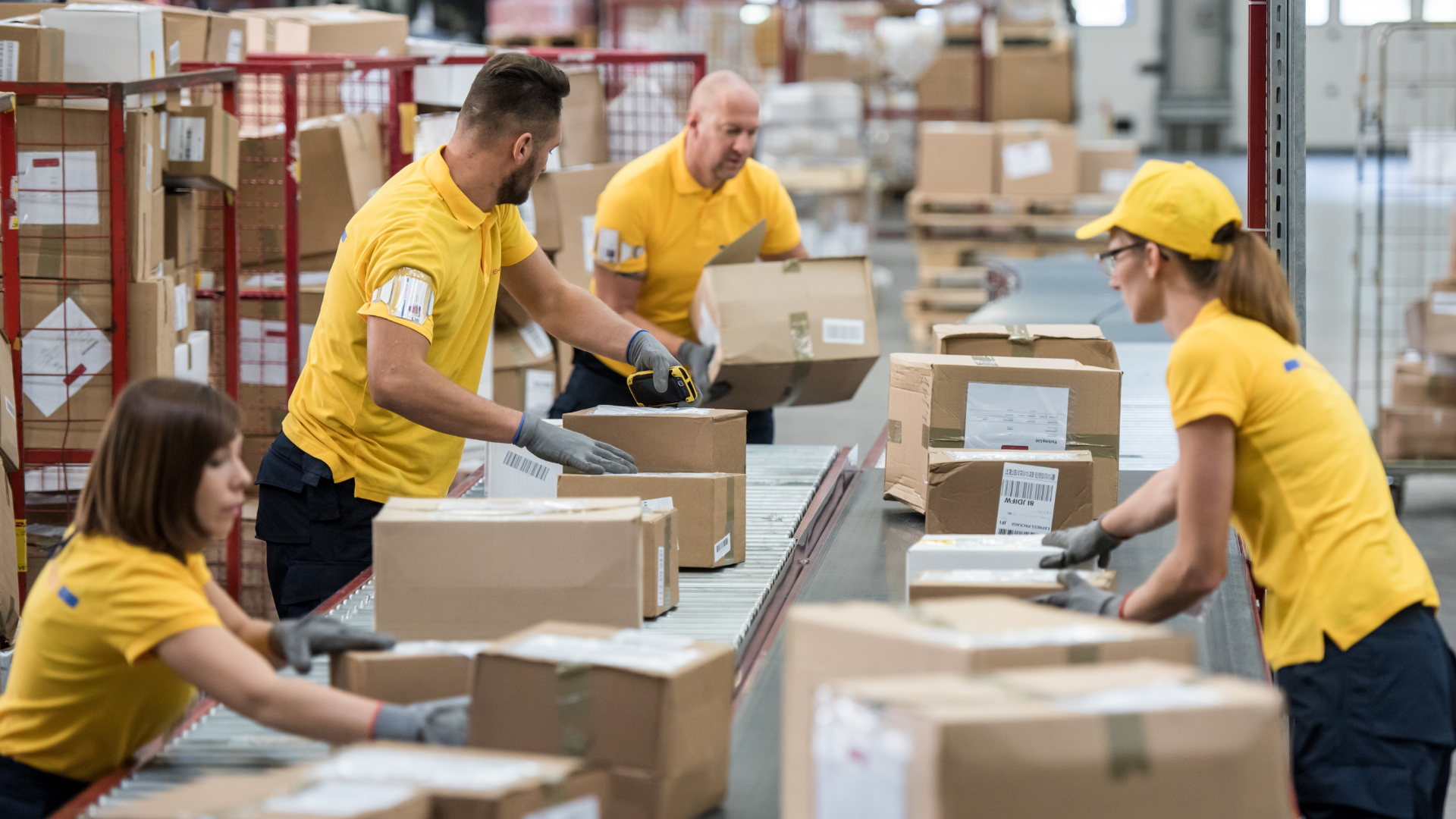
Automation and robotics transform your packaging operations by increasing speed, consistency, and workplace safety. You can streamline repetitive tasks and reduce human error, making operations more efficient.
Robotic Arms: Automate tasks like palletizing, sorting, and packing, reducing manual labor and improving consistency.
Automated Strapping Machines: Ensure precise tension and secure loads for both small and large shipments.
Conveyor Systems: Move products efficiently across production and packing lines, improving workflow.
Scalability: Automation allows rapid adaptation to demand fluctuations without sacrificing quality or speed.
By investing in automation, you can accelerate operations, improve product safety, reduce labor costs, and enable scalable packaging solutions.
Customization for Branding & Differentiation
Customization in packaging lets you reinforce your brand identity while improving product recognition and operational clarity. It merges marketing and functionality in one solution.
Printed Logos and Colors: Enhance brand recognition and create a professional presentation for your distributors and clients.
Unique Packaging Designs: Use structural and visual customization to make products stand out in competitive markets.
Operational Efficiency: Standardized designs can reduce errors in storage, handling, and transportation.
Client Experience: Tailored packaging communicates professionalism and improves the end-user’s perception of quality.
With customized packaging, you can protect products while promoting your brand effectively, strengthening both operations and marketing outcomes.
Advanced Materials & Protective Innovations
Advanced materials and protective innovations provide superior durability and safety, crucial for high-value or fragile shipments. They help you minimize damage during handling and transit.
Reinforced Corrugated Boards: Offer stronger support for heavy or delicate products.
High-Strength Plastics and Films: Resistant to punctures, moisture, and environmental stress.
Protective Coatings: Shield goods from temperature fluctuations, humidity, and contamination.
Heavy-Duty Strapping and Fasteners: Secure items to prevent movement or damage during transport.
Using advanced materials reduces losses, decreases returns, and ensures your products reach their destination intact, safeguarding revenue and reputation.
Digital Printing & On-Demand Packaging
Digital printing and on-demand packaging offer flexibility and efficiency, enabling businesses to produce packaging that aligns with specific orders, campaigns, or client requirements.
Batch-Specific Labels: Easily print product information or compliance details for each shipment.
On-Demand Production: Reduces the need for large inventory storage and allows rapid response to orders.
Promotional & Seasonal Packaging: Quickly adapt packaging designs for marketing campaigns or limited editions.
High-Quality Branding: Digital printing ensures sharp, consistent graphics and messaging across all products.
This approach minimizes waste, accelerates delivery timelines, and maintains brand consistency while supporting operational flexibility.
Supply Chain Resilience & Collaboration
Packaging plays a key role in enhancing supply chain resilience. Coordinated planning between manufacturers, suppliers, and distributors ensures packaging meets transit, handling, and storage requirements efficiently.
Collaborative Planning: Aligns stakeholders to optimize packaging solutions for all stages of the supply chain.
Risk Reduction: Strong packaging reduces the likelihood of damage, delays, or lost shipments.
Standardized Handling: Promotes consistency across warehouses, reducing errors and inefficiencies.
Enhanced Visibility: Monitoring packaging performance provides actionable insights to prevent disruptions.
By integrating robust packaging strategies with collaborative planning, businesses create a resilient and responsive supply chain.
Regulatory & Policy Trends
Adhering to regulations and policies is vital for industrial packaging. Businesses must comply with safety, labeling, and environmental standards to ensure legal and operational security.
Environmental Compliance: Packaging materials and disposal methods must align with state and federal regulations.
Safety Standards: Packaging must meet handling and transportation safety requirements to protect workers and goods.
Labeling Regulations: Accurate product, hazard, and compliance information ensures regulatory adherence.
Proactive Adaptation: Keeping up with changing policies prevents fines and strengthens credibility with clients.
Regulatory-aware packaging practices protect you from penalties, enhance safety, and promote sustainable, responsible operations.
Together, these trends demonstrate how your B2B industrial packaging is becoming smarter, safer, and more efficient.
Challenges in Adopting Modern Packaging Solutions

Despite the clear benefits, businesses often face challenges in implementing modern packaging technologies and processes:
High Initial Costs: Investing in advanced materials, automation, or smart packaging solutions requires significant upfront capital, which may concern budget-conscious operations.
Integration with Existing Workflows: New packaging equipment or digital systems must be carefully integrated to avoid disrupting current processes, which can complicate adoption.
Workforce Training Requirements: Employees need proper training to operate advanced machinery and digital tools safely and efficiently, which can take time and resources.
Balancing Sustainability and Performance: Adopting eco-friendly packaging while ensuring product protection and cost-effectiveness can be challenging, requiring careful material selection.
Regulatory and Compliance Challenges: Staying compliant with packaging, labeling, and shipping regulations demands constant attention, especially across multiple states or industries.
Addressing these challenges requires your expertise, careful planning, and reliable partners who understand both the operational and regulatory landscape.
How Alliance Packaging Group Supports B2B Industrial Businesses?
Alliance Packaging Group has over 20 years of experience helping manufacturers and distributors optimize packaging operations. Their solutions cover the full spectrum of b2b industrial packaging, combining quality products with operational expertise:
Comprehensive Product Selection: From tapes and strapping to films, boxes, and shipping containers, Alliance offers everything businesses need for efficient packaging.
Expert Guidance: Procurement and operations managers benefit from tailored recommendations to select the right solutions for their unique requirements.
Just-in-Time Delivery: Over 10,000 items are available for same-day shipping, supporting just-in-time inventory and minimizing storage costs.
Innovative Solutions: Equipment like conveyors and automated material handling systems improves workflow efficiency and operational productivity.
Sustainable & Modern Options: Offering eco-friendly materials and advanced packaging technologies, Alliance ensures businesses stay ahead of trends and compliance requirements.
By partnering with Alliance Packaging Group, businesses can enhance safety, efficiency, and cost-effectiveness in their packaging operations.
Conclusion
Adopting modern packaging solutions is no longer optional but essential for businesses aiming to stay competitive in 2026. Adopting trends like smart packaging, sustainability, and automation can lead to long-term benefits, including improved efficiency, reduced costs, and enhanced brand reputation.
For procurement managers, operations leads, and packaging engineers, the key to success lies in leveraging expert guidance and reliable solutions. Partnering with experts like Alliance Packaging Group ensures businesses access comprehensive, reliable solutions tailored to their specific needs.
For tailored B2B industrial packaging solutions that align with your business goals, contact us today.
FAQs
1. What are the major industrial packaging trends shaping B2B markets in 2026?
In 2026, B2B packaging is focusing on sustainability, with increased use of biodegradable and recyclable materials. Smart packaging solutions, such as RFID-enabled containers, are enhancing supply chain visibility and efficiency. Additionally, the integration of AI and IoT technologies is optimizing packaging processes and logistics.
2. How are global regulations influencing industrial packaging design and compliance?
Global regulations like the EU's Packaging and Packaging Waste Regulation (PPWR) and Extended Producer Responsibility (EPR) laws are compelling companies to minimize packaging waste, increase recycling rates, and adopt sustainable materials. Meeting these requirements isn’t just about avoiding fines; it’s also key to demonstrating environmental responsibility.
3. What types of machinery are most used for automated packaging in manufacturing plants?
Common automated packaging machinery includes robotic palletisers, wrapping machines, filling and sealing machines, conveyors, and automated strapping systems. These machines increase throughput, reduce human error, and enable consistent, efficient packaging, particularly for high-volume production environments.
4. How is predictive maintenance applied to industrial packaging equipment?
Predictive maintenance leverages advanced sensors and data analytics to track the real-time condition of packaging machines. This proactive approach minimizes downtime, extends machine lifespan, and ensures consistent packaging quality, allowing manufacturers to plan maintenance without disrupting production schedules.
5. How are e-commerce and cross-border trade influencing industrial packaging demand?
E-commerce growth and global trade require durable, lightweight, and protective packaging that can withstand long transit. Businesses prioritize eco-friendly materials, easy-to-handle designs, and compliance with international regulations to ensure product safety, customer satisfaction, and operational efficiency in complex supply chains.