Think of a warehouse shipping thousands of orders a day. Every carton, label, mailer, and protective wrap adds up, creating a steady stream of packaging waste that customers increasingly notice. Now, picture that same operation switching to materials that break down naturally without compromising performance on the packing line. The workflow stays fast, products stay protected, and the environmental footprint drops with every shipment.
This shift is why biodegradable packaging materials are becoming essential heading into 2026. Businesses want options that support sustainability goals without slowing down production or raising costs. And the right materials can do both, offering durability, flexibility, and cleaner end-of-life outcomes.
To help identify what’s practical, scalable, and effective, this blog explores the top biodegradable packaging materials to consider in 2026, along with where they work best across manufacturing, warehousing, and fulfillment operations.
Key Takeaways
Biodegradable packaging in 2026 combines durability, protection, and efficiency without relying on traditional plastics.
Each material differs in strength, workflow fit, and disposal, so selection impacts operations and sustainability.
Certified biodegradable options ensure regulatory compliance and proper end-of-life disposal for reduced environmental impact.
Eco-friendly packaging boosts brand perception, enhances unboxing, and signals environmental responsibility to consumers.
Consider cost, sourcing, storage, and design to choose materials that fit workflows and support sustainability goals.
What are Biodegradable Packaging Materials?
Biodegradable packaging materials are those that naturally break down into water, carbon dioxide, and organic matter through microbial activity. Unlike traditional plastics, they decompose without leaving harmful residues, making them a preferred choice for brands aiming to reduce environmental impact.
These materials come from renewable, plant-based sources such as cornstarch, sugarcane bagasse, bamboo, paper, and certain biopolymers. In commercial packaging, biodegradable options are used for boxes, mailers, inserts, protective wraps, and food-grade containers.
For businesses, biodegradable packaging offers a balance of strength, printability, and eco-friendly performance, making it suitable for retail, e-commerce, food service, health products, and cosmetic brands seeking sustainable alternatives without compromising functionality.
Why Should Brands Switch to Biodegradable Packaging in 2026?

More companies are rethinking their packaging strategy as sustainability moves from a “nice-to-have” to a core business expectation.
Biodegradable packaging offers a path that supports both environmental goals and day-to-day operational needs, making it a practical choice for brands preparing for 2026.
Here’s why the shift matters:
Stronger brand perception: Customers pay attention to how products are packaged. Using cleaner, biodegradable materials helps build trust and supports long-term loyalty.
Better compliance readiness: Regulations around single-use plastics and waste reduction are tightening. Switching now helps brands stay ahead of future requirements rather than reacting later.
Operational efficiency: Many biodegradable materials are designed to run smoothly on standard packing lines. They reduce excess waste, simplify disposal, and help maintain cleaner warehouse environments.
Reduced environmental impact: Materials that break down naturally lessen the load on landfills and minimize long-term waste, supporting broader company sustainability targets.
Competitive advantage: Brands that adopt advanced, eco-focused materials early stand out, especially in industries where packaging plays a major role in customer experience.
For companies balancing performance, sustainability, and cost control, biodegradable packaging offers a future-ready solution that fits modern supply-chain needs while supporting long-term responsibility goals.
Also Read: Best Subscription Boxes to Try in 2025
Top 10 Biodegradable Packaging Materials to Use in 2026
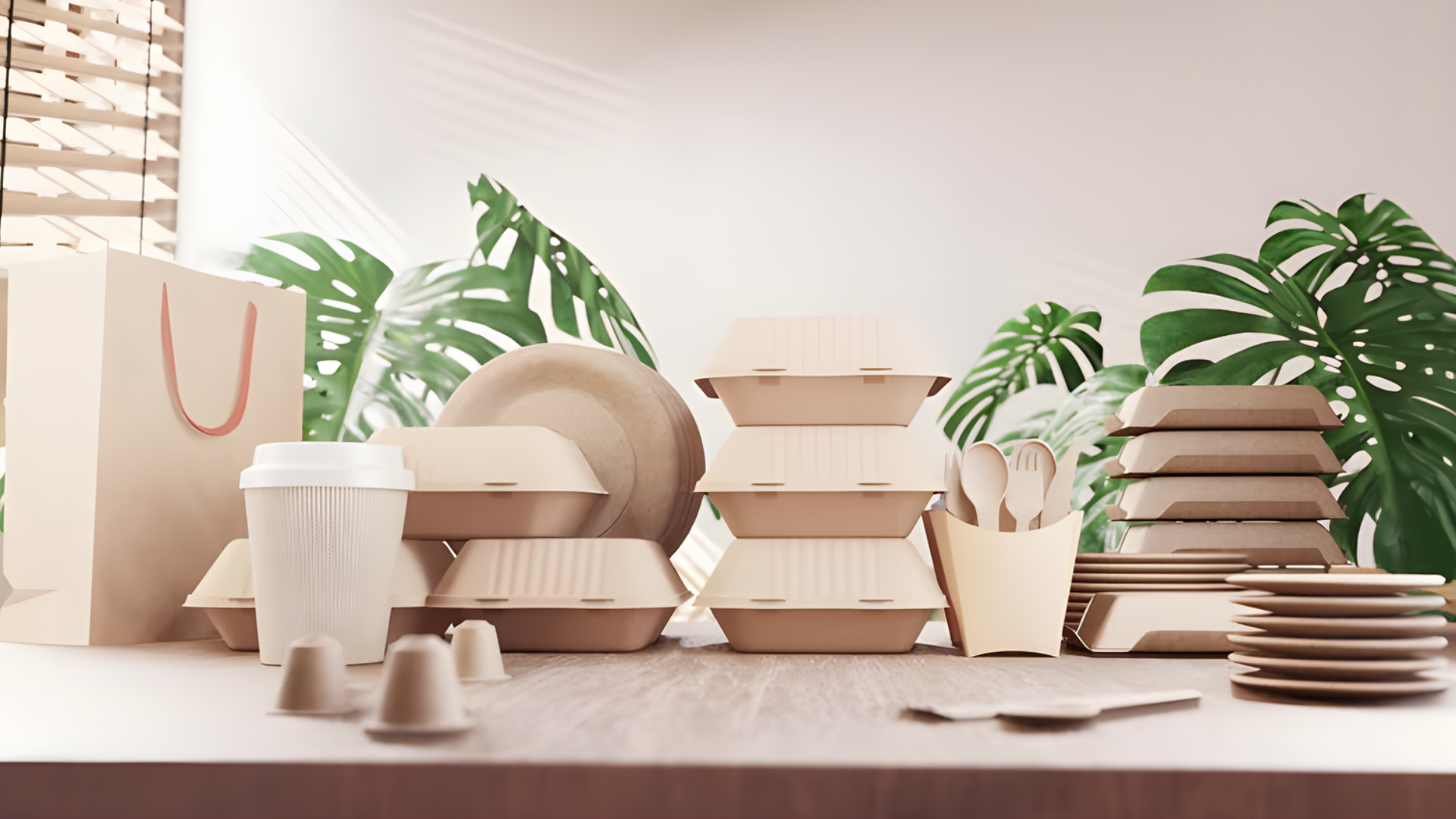
What used to be limited to basic paper and compostable fillers has expanded into engineered fiber materials, advanced biopolymers, and high-performance alternatives that can withstand real shipping, storage, and manufacturing demands.
Today’s biodegradable options are designed to integrate smoothly into automated packing lines, handle long-distance transport, and maintain product protection without relying on petroleum-based plastics.
For manufacturers, distributors, and e-commerce brands, this shift means they no longer have to choose between sustainability and performance. Modern biodegradable materials now offer strength, efficiency, and consistency.
Below are ten materials that stand out for manufacturing, warehousing, logistics, and fulfillment teams looking to reduce environmental impact without sacrificing performance:
1. Molded Fiber Pulp
Molded fiber pulp is manufactured by breaking down recycled paper and cardboard into a slurry, forming it into custom molds, and drying it into rigid protective shapes. This gives it excellent compression strength and shock absorption, making it one of the most reliable alternatives to plastic foam for industrial packaging.
Differentiating Factors:
Excellent shock absorption for industrial and consumer goods.
Fully biodegradable and curbside recyclable.
Custom-mold options for tailored product fit.
Best For: This material is ideal for manufacturers that ship fragile or precision components, such as electronics, glassware, medical devices, and small appliances, where consistent protective performance is essential. It also works well in e-commerce fulfillment centers that need protective inserts capable of handling varying weights and shapes without relying on plastic or foam.
2. Starch-Based Packing Peanuts
Starch-based packing peanuts are made from natural, renewable crops such as corn or wheat. These materials expand into lightweight, cushioning shapes that interlock to minimize product movement inside a box. Their water-soluble nature eliminates disposal challenges, making them more convenient for end users.
Differentiating Factors:
Break down naturally without leaving microplastics.
Light and easy to use at high-volume packing stations.
Anti-static properties protect electronics.
Best For: These peanuts suit fulfillment operations that frequently ship irregularly shaped or highly fragile items that need cushioning in all directions. They’re especially useful for larger packing stations that need consistent, fast void fill for products ranging from consumer goods to mid-size industrial components.
3. Corrugated Paper Wrap (Paper Bubble Alternative)
Corrugated paper wrap mimics the cushioning of bubble wrap by using a slotted honeycomb texture that flexes around different shapes. The structure distributes impact, protects surfaces from scratches, and maintains a tight grip without adhesives.
Because it’s crafted from recycled kraft paper, it biodegrades easily and integrates well into high-volume packing workflows.
Differentiating Factors:
High flexibility for wrapping various shapes.
Strong tear resistance for secure transport.
Made from recycled materials and fully biodegradable.
Best For: This wrap is an excellent choice for packaging delicate items such as ceramics, glassware, home goods, and small machinery parts that require abrasion-resistant protection. Logistics teams benefit from its ability to handle varied shapes without adding unnecessary weight to the shipment.
4. Biodegradable Air Pillows
Biodegradable air pillows are made from PLA or other plant-based films and inflate on demand using standard packing equipment. They provide strong void fill with minimal material usage, making them an efficient alternative to traditional plastic air pillows.
Once disposed of, these pillows can break down in composting environments, reducing long-term waste impact.
Differentiating Factors:
Saves space by inflating only when needed.
Compatible with existing air pillow machines.
Lower carbon footprint than traditional plastic versions.
Best For: These pillows are ideal for large-scale fulfillment centers, subscription-box companies, and manufacturers shipping lightweight goods that require void fill rather than rigid cushioning. Their small footprint before inflation also helps organizations with limited storage space.
5. PLA and PBAT Biopolymer Films
PLA and PBAT films combine clarity, flexibility, and biodegradability, offering an eco-friendly alternative to petroleum-based plastics. These films are engineered for durability, resisting punctures and tears even in high-throughput packaging environments.
They can be converted into bags, liners, shrink wraps, and protective films that support both automated and manual packaging lines. Their renewable origin reduces carbon impact while supporting industry demands for more sustainable flexible packaging.
Differentiating Factors:
Strong barrier properties for sensitive items.
Improved tear resistance for industrial workflows.
Derived from renewable, non-petroleum sources.
Best For: Manufacturers and warehouse teams needing biodegradable options for protective wraps, lightweight component bags, or retail packaging benefit most from these films. They’re suited for smaller parts, apparel, accessories, and products requiring protective moisture or dust barriers.
6. Mushroom Mycelium Packaging
Mycelium packaging is grown by binding agricultural waste with mushroom root systems to form a dense, foam-like structure. This process allows manufacturers to create custom shapes that cradle products during transport.
The material offers excellent compression strength and impact resistance, rivaling polystyrene. Because it grows naturally from waste materials and breaks down quickly in compost environments, it’s considered one of the most sustainable molded packaging options.
Differentiating Factors:
Custom-molded to fit specific product shapes.
Strong compression strength for heavier items.
Breaks down naturally in home compost environments.
Best For: This material is ideal for companies shipping heavier or highly fragile items such as consumer electronics, laboratory equipment, and precision tools that need custom-fit molded packaging. It suits brands seeking a high-end, eco-focused unboxing experience while maintaining durability during transit.
7. Seaweed-Based Packaging Films
Seaweed-based films are produced from agar or algae extracts, creating a flexible, biodegradable material ideal for lightweight packaging needs. Their natural barrier properties resist grease, oxygen, and moisture, making them a promising replacement for certain plastic films.
Because seaweed is abundant and fast-growing, these materials avoid the land-use challenges associated with other plant-based packaging.
Differentiating Factors:
Rapid biodegradation with no harmful residue.
Derived from fast-growing marine plants.
Naturally grease- and oxygen-resistant.
Best For: These films work best for lightweight retail packaging, small components, cosmetics, apparel accessories, and low-impact goods requiring protective sleeves or packs without relying on petroleum plastics.
8. Bagasse Fiber Packaging
Bagasse fiber comes from the leftover pulp after sugarcane processing. It’s molded under heat and pressure into sturdy trays, containers, and protective packaging components.
Bagasse offers strong structural integrity and superior heat resistance, making it a dependable biodegradable option for both industrial and consumer packaging. Its ability to withstand moisture also makes it more versatile than many other plant-based fiber materials.
Differentiating Factors:
High durability for industrial and consumer packaging.
Withstands heat and moisture better than many fiber materials.
Utilizes agricultural waste, reducing overall waste streams.
Best For: Bagasse is suited for manufacturers and distributors needing durable trays, clamshells, and inserts for medium-weight items. It’s especially attractive for food-service distribution, consumer goods, and industrial components requiring strength and moisture resistance.
9. Compostable Paper Mailers
Compostable paper mailers are engineered with reinforced kraft paper, biodegradable adhesives, and compostable linings to deliver strength without plastics. They resist tearing, moisture, and rough handling while offering a lightweight shipping solution.
Their recyclability and compostability make them a popular choice for businesses aiming to reduce plastic use in last-mile delivery.
Differentiating Factors:
High tear resistance for shipping.
Lightweight yet rigid construction.
Easy to print and brand with eco-friendly inks.
Best For: These mailers are ideal for e-commerce retailers, fulfillment centers, and subscription services shipping soft goods such as clothing, accessories, stationery, and textiles. They offer reliable protection without adding bulk or unnecessary weight.
10. Hemp-Based Packaging Materials
Hemp-based materials are produced from processed hemp fibers, which naturally offer high tensile strength and durability. The fibers can be used to create papers, molded pulp, or films that biodegrade faster than traditional wood-based packaging.
Hemp grows quickly in low-water conditions, making it an efficient and resilient raw material with a smaller ecological footprint.
Differentiating Factors:
High tensile strength for durable packaging.
Grows quickly with minimal water and pesticides.
Versatile across paper, films, and molded forms.
Best For: Hemp packaging is best suited for brands needing durable wraps, sleeves, cartons, labels, and lightweight protective inserts. It works well for consumer goods, wellness products, natural brands, and packaging that benefits from a premium, eco-friendly look without sacrificing performance.
Also Read: Best Boxes for Moving Vinyl Records
Factors to Consider When Choosing a Biodegradable Packaging Material
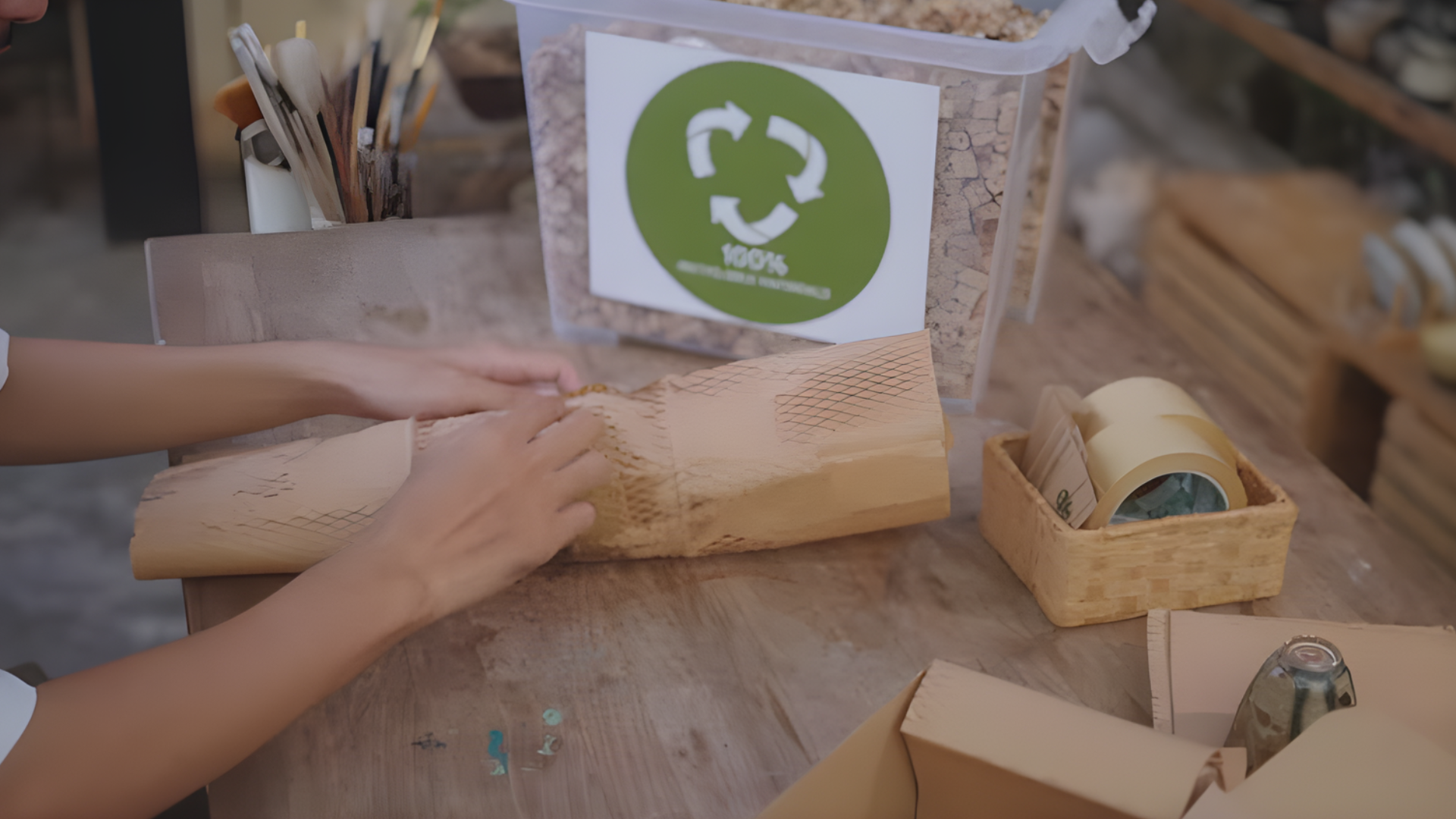
Choosing the right biodegradable packaging material goes beyond picking an eco-friendly option. Brands need to balance product protection, operational efficiency, disposal methods, storage conditions, cost, and aesthetics.
Each material performs differently depending on the type of product, workflow, and customer expectations. Understanding these factors ensures packaging delivers both sustainability and functionality without disrupting daily operations.
Here are some things to consider when choosing a biodegradable packaging material:
1. Product protection requirements: Different biodegradable materials offer different levels of durability, cushioning, and barrier strength. Some materials, like molded fiber or mycelium, provide strong structural support for fragile items, while paper-based options are better suited for lightweight products.
The right choice should keep the product safe throughout storage, handling, and transit without adding unnecessary weight or cost.
2. Compatibility with existing packaging lines: Operational fit is essential. While materials like PLA films and biodegradable air pillows run smoothly on standard packing equipment, options such as molded fiber inserts or plant-based foams may require new tooling or slower packing speeds.
Evaluating how well a material integrates with current lines helps prevent workflow bottlenecks and unexpected downtime.
3. End-of-life outcome: Every biodegradable material breaks down differently. Some degrade naturally in home compost, others require industrial facilities, and some can be recycled with paper.
Brands should choose materials that match the disposal habits of their customers to ensure the sustainability benefits are actually realized after use.
4. Shelf life and storage conditions: Biodegradable materials can react to heat, humidity, and long-term storage. Starch-based foams absorb moisture quickly, while PLA films may lose rigidity when exposed to high temperatures.
Understanding your warehouse conditions and turnover cycles will help prevent material degradation before the packaging is even used.
5. Source sustainability and availability: Even eco-friendly materials must come from reliable, sustainable sources. Options like mushroom packaging rely on controlled growing cycles, while bagasse and hemp depend on agricultural supply.
Ensuring consistent availability helps maintain quality and prevents supply disruptions, especially for high-volume operations.
6. Cost and volume feasibility: Pricing varies widely across biodegradable materials. Paper-based solutions are generally cost-effective at scale, while newer innovations like seaweed films and mycelium packaging tend to carry higher production costs.
Brands should evaluate unit price, long-term savings from waste reduction, and the feasibility of scaling the material across all product lines.
7. Brand experience and aesthetics: Packaging shapes how customers perceive a brand. Materials such as molded fiber offer a clean, natural look, while biopolymer films allow for a modern, minimal design.
Choosing a biodegradable option that matches your brand aesthetic ensures sustainability efforts don’t compromise the customer experience.
Selecting biodegradable packaging requires a strategic approach: the best material is one that protects products, integrates with existing workflows, aligns with disposal habits, and reinforces brand experience, all while supporting long-term sustainability goals.
Conclusion
In 2026, sustainable packaging is no longer optional, it’s part of the customer experience. The right materials protect products, support efficient operations, and reinforce brand values. Biodegradable packaging also shows your commitment to the environment, creating a positive impression before the box is even opened.
At Alliance Packaging Group, we know that packaging is more than just a container, it’s a statement. From molded fiber and corrugated boxes to biodegradable films, tapes, strapping, protective wraps, and labeling solutions, we provide options that meet operational needs while reducing environmental impact.
Explore our complete packaging solutions at alliancepkggroup.com and see how the right materials can elevate every shipment and support your sustainability goals.
FAQs
1. Are all “biodegradable” materials still allowed under 2026 regulations?
No. By 2026, several regions only allow biodegradable or compostable materials in tightly defined use cases, and generic “biodegradable” claims without certified labelling are banned in many markets. Regulators increasingly require third‑party standards (like EN 13432 or ASTM D6400/BPI) plus clear disposal instructions, so brands cannot rely on vague marketing terms anymore.
2. How will extended producer responsibility (EPR) laws affect which biodegradable materials brands choose?
EPR schemes starting or tightening around 2026 make producers financially responsible for the end‑of‑life of their packaging. This pushes brands toward materials that are not only technically biodegradable but also accepted in real-world waste systems, because fees and penalties are often lower for formats that can be recovered, composted, or recycled reliably.
3. Do biodegradable materials always reduce a brand’s compliance risk compared to recyclable plastics?
Not necessarily. Some new rules treat “biodegradable” as a niche option and prioritize recyclability and reuse, especially in the EU and parts of North America. A compostable film that has no local composting infrastructure, or that contaminates recycling streams, can actually increase legal and operational risk versus a well-designed recyclable material.
4. How important is digital traceability for biodegradable packaging by 2026?
Digital identifiers such as QR codes or serialised labels are becoming critical for proving that a given item uses certified biodegradable materials and meets local rules. They help customs authorities, retailers, and auditors verify compliance quickly, and they give consumers transparent information about how and where to dispose of the packaging.
5. Will one biodegradable material type work globally, or will brands need region‑specific choices?
By 2026, brands selling internationally often need a portfolio of biodegradable options rather than a single “universal” material. Differences in composting infrastructure, food-contact rules, and labelling laws mean a material that is ideal in the EU might be restricted, uncertifiable, or practically non-compostable in another region’s waste system.