
Introduction
Picture the scene: another week, another pile of cardboard delivery boxes stacking up by the garage door. The instinct is to break them down and toss them in the recycling bin. But what if those boxes aren't trash at all — what if they're free organizational tools hiding in plain sight?
Cardboard boxes can be transformed into stylish, functional storage solutions for every room in your home. Here's what this post covers:
- Room-by-room storage ideas you can put to use immediately
- Decoration techniques that make boxes look intentional, not improvised
- Practical tips for choosing the right box and making it last
Key Takeaways
- Repurpose delivery boxes into drawer organizers, desk caddies, and wall shelves using basic household tools
- Use fabric, contact paper, paint, or decoupage to create polished storage that blends with any décor style
- Match box size and wall construction (single vs. double-wall) to the load — using a flimsy single-wall box for heavy items leads to collapse and wasted effort
- Label every box consistently to turn a clever hack into a functional system that actually holds up
Why Cardboard Boxes Are the Ultimate Budget-Friendly Organizer
American households generate a staggering volume of cardboard waste — 67.4 million tons of paper and paperboard enter the municipal waste stream annually, with corrugated boxes alone accounting for 33.3 million tons. Repurposing these boxes diverts waste from landfills while creating zero-cost storage solutions for your home.
Cardboard offers unmatched versatility:
- Cut, fold, and resize with basic tools (box cutter, ruler, hot glue gun)
- Stack, nest, and combine to fit any space configuration
- Accessible for all skill levels — no advanced crafting experience required
- Lightweight enough to move easily, yet sturdy enough to hold substantial weight when reinforced
Plain brown cardboard doesn't have to look utilitarian, either. Decoration methods covered in this post — fabric wrapping, contact paper, paint, and decoupage — allow these organizers to work with minimalist, bohemian, farmhouse, or modern décor styles.
Creative Cardboard Box Storage Ideas for Every Room
Kitchen and Pantry
The kitchen offers some of the best opportunities for cardboard box storage — especially in deep pantry shelves and cluttered drawers where small items disappear fast.
Two quick projects that make an immediate difference:
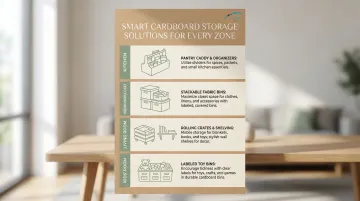
- Pantry caddy with compartments — Score and fold cardboard inserts into a medium shipping box to create dividers for spice packets, seasoning pouches, snack bars, and tea bags. Items stay upright and visible instead of buried at the back of deep shelves.
- Drawer organizers — Arrange cereal-box-sized containers inside a deep kitchen drawer to create custom-fit dividers for utensils, batteries, twist ties, and rubber bands. Cover them in wipeable contact paper for an easy-to-clean finish.
Bedroom and Closet
Closets and bedrooms benefit from low-cost storage that looks intentional. Cardboard holds up well for items that don't need daily heavy-duty access.
Counter space is usually the first thing to go in a home office. These two builds reclaim it without spending anything.
Multi-compartment desk organizer: Glue several small boxes of varying heights together inside a larger box to build a custom desk caddy. Use separate compartments for pens, scissors, sticky notes, charging cables, and paper clips — vertical storage in a single footprint.
File and mail sorter: Divide a sturdy rectangular box with vertical cardboard panels to create labeled slots for incoming mail, bills, notebooks, and folders. It keeps the desk surface clear and gives every document a designated landing spot.
Living Room and Entryway
Living rooms and entryways accumulate clutter fast. These projects tackle the problem with minimal effort and zero hardware.
- Rolling storage crate — Attach inexpensive caster wheels to the bottom of a reinforced large box for a mobile cart that holds toys, blankets, magazines, or remote controls. Roll it out of sight when you need the space cleared quickly.
- Cardboard wall shelves — Layer and glue corrugated sheets together to build a surprisingly sturdy surface, then shape into floating shelves and paint to match the room. A renter-friendly alternative to drilling — adhesive strips keep them in place and hold lightweight decor, small plants, or books.
Kids' Room and Playroom
Cardboard is ideal for kids' rooms — easy to decorate, cheap to replace, and sturdy enough for light daily use.
Toy sorting bins: Cover a set of uniform boxes in matching wrapping paper or paint and line them up on a low shelf. Use picture labels alongside text for pre-readers, with separate bins for blocks, cars, dolls, art supplies, and puzzles. Cleanup becomes a matching game rather than a chore.
Geometric wall shelves: Cut and glue cardboard into hexagon or honeycomb shapes, then mount them as a cluster on the wall. They create display space for small figurines, art supplies, or books while adding visual interest — no tools or wall damage required.
How to Make Cardboard Storage Boxes Look Stylish
Fabric Covering
Measure and cut fabric to wrap the outside of your box, using craft glue or a hot glue gun to secure it. Fold the fabric neatly at the corners like wrapping a gift, tucking the excess inside for a clean finish. Choose fabrics that coordinate with existing room textiles — curtains, throw pillows, or bedding — for a cohesive look.
Contact Paper
For the fastest results, contact paper is the most beginner-friendly option. Cut it to size and smooth it over the box exterior, working from one edge to eliminate air bubbles. It's also wipe-clean, making it practical for kitchen and bathroom storage where spills are likely.
Decoupage
Tear decorative napkins or tissue paper into pieces and layer them over the box with Mod Podge, smoothing as you go. Mod Podge adheres firmly to cardboard and dries clear, making it the standard choice for this technique. The result is a patterned, artisan finish well-suited to vanity trays, bathroom organizers, and decorative display boxes.
Paint and Faux-Finish Effects
Chalk paint or spray paint gives boxes a matte, solid-color finish that mimics ceramic or wood. For a weathered wood look, apply brown paint, dry-brush with a lighter shade, then add a dark wash in the crevices. This approach works well for pantry crates and garage storage with a rustic farmhouse feel.
Labeling
A well-labeled box is both more usable and more visually consistent. Options include:
- Chalkboard labels painted directly on the box
- Printed adhesive labels for a clean, uniform look
- Hand-lettered kraft paper tags tied with twine
- Washi tape strips with marker text
Mixing label styles across a set undercuts the effect — pick one format and stick with it.
Choosing the Right Box and Making It Last
Matching Box Size and Weight Capacity to the Job
Not all cardboard is created equal. Single-wall corrugated boxes work fine for light items like craft supplies, clothing, and linens. Double-wall corrugated boxes are necessary for books, tools, or anything heavy. Corrugated boxes are rated by burst strength, typically ranging from 125 to 650 psi for single and double-wall constructions.
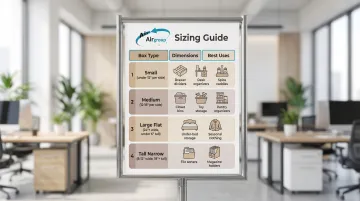
Simple Sizing Guide for Common Use Cases
- Small boxes (under 12" per side): Drawer dividers, desk organizers, spice caddies
- Medium boxes (12-18" per side): Closet shelf bins, toy storage, pantry organizers
- Large flat boxes (24"+ wide, under 6" tall): Under-bed storage, seasonal clothing
- Tall narrow boxes (8-12" wide, 18"+ tall): File sorters, magazine holders, vertical storage
When building a uniform storage system, consistent sizing matters more than most people expect. A packaging supplier like Alliance Packaging Group stocks over 1,000 box sizes for immediate shipment, which makes it far easier to maintain that consistency than hunting through random shipping boxes.
Reinforcing Cardboard for Longevity
Once you've selected the right boxes, a few simple reinforcement steps will extend their life considerably:
- Seal interior surfaces with Mod Podge or a coat of paint to resist moisture
- Reinforce the bottom with an extra layer of cardboard secured with hot glue
- Add rope or ribbon handles that distribute weight more evenly than cut-out handles
- Double up boxes by nesting one inside another for heavy-duty applications
Protecting Storage Boxes from Humidity and Pests
Cardboard performs best in climate-controlled interior spaces. Ideal storage conditions are 50-70% relative humidity and temperatures between 40-100°F. Avoid using cardboard in garages, basements, or areas with humidity fluctuations where moisture can weaken the structure and promote mold.
For fabric items or seasonal clothing, place cedar sachets or silica gel packets inside boxes to absorb moisture and deter pests.
Frequently Asked Questions
How do you make cardboard boxes look nice for storage?
The most popular methods are fabric wrapping, contact paper, paint, or decoupage. Contact paper is the fastest option with no drying time required. Consistent labeling across all boxes ties the look together and creates a cohesive, intentional appearance.
Are cardboard boxes good for long-term storage?
Cardboard works well for long-term storage in dry, climate-controlled spaces like closets and interior rooms. It's not recommended for garages or basements where humidity can weaken the structure, promote mold growth, and attract pests over time.
How do you reinforce a cardboard box for heavier items?
Start with double-wall corrugated boxes, add an extra cardboard base layer secured with hot glue, and seal surfaces with Mod Podge or paint for stiffness. Distribute weight evenly and never load beyond the box's rated capacity.
What is the easiest way to decorate a cardboard box for storage?
Contact paper is the most beginner-friendly option — measure, cut, and smooth it onto the box exterior in minutes. It's also wipeable, making it a practical choice for kitchens and bathrooms.
Can I use cardboard boxes to organize a closet?
Yes — fabric-covered boxes work beautifully on closet shelves for folded clothing, accessories, and seasonal items. Label them clearly for quick identification, and choose uniform sizes for a cohesive, professional appearance.
How do I label cardboard storage boxes?
Options include chalkboard labels, printed adhesive labels, washi tape with a marker, and hand-lettered kraft paper tags. Consistency across a set makes the full set look intentional and helps you locate items quickly.