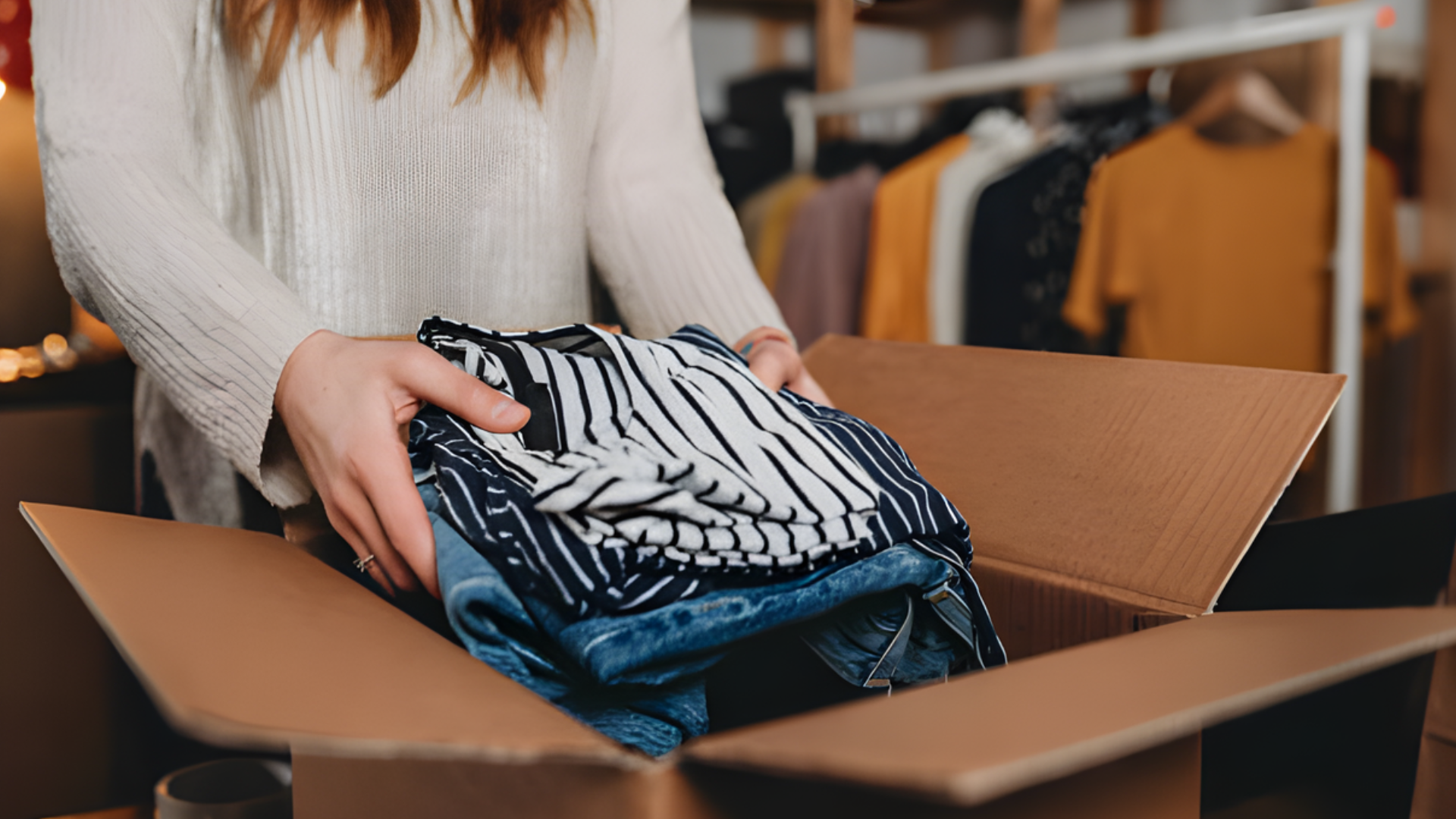
Garment packaging plays a pivotal role in the apparel industry, as it serves as your first point of physical contact with your customers. In a market where first impressions matter, how you package a garment can directly influence how your customers perceive your brand and their satisfaction.
Proper packaging ensures that products reach customers safely, look appealing, and reflect your brand’s commitment to quality and care. With the global garment packaging market projected to reach USD 8.9 billion by 2032, selecting the right materials and methods is increasingly vital, especially for brands prioritizing sustainability.
This blog explores the various types of garment packaging available, the materials commonly used, and best practices for effective packaging.
Key Takeaways:
Garment packaging protects your clothing during shipping and storage while leaving a positive first impression on your customers.
By using primary, secondary, and tertiary packaging effectively, you can safeguard your garments and streamline handling, transport, and bulk shipments.
Materials like polybags, tissue paper, cardboard, and reusable garment bags let you balance protection, presentation, and sustainability.
Following systematic steps and best practices helps you handle products efficiently, reduce returns, and maintain a professional brand image.
What is Garment Packaging?
Garment packaging refers to the materials, containers, and methods you use to protect, store, and present your clothing during shipping, handling, and retail display. Beyond functionality, it plays a vital role in conveying brand identity and shaping the customer experience.
Here’s why it matters:
Protection of Garments: Proper packaging protects your garments from dust, moisture, and physical damage, so that they reach your customers in perfect condition.
Enhances Presentation: Well-designed packaging gives your garments a premium feel, leaving a lasting positive impression on your customers.
Reinforces Brand Identity: Custom packaging with your logos, colours, or unique designs strengthens your brand recognition and builds loyalty.
Supports Sustainability Goals: Choosing eco-friendly materials demonstrates your commitment to responsible practices, which appeals to environmentally conscious customers.
Types of Garment Packaging
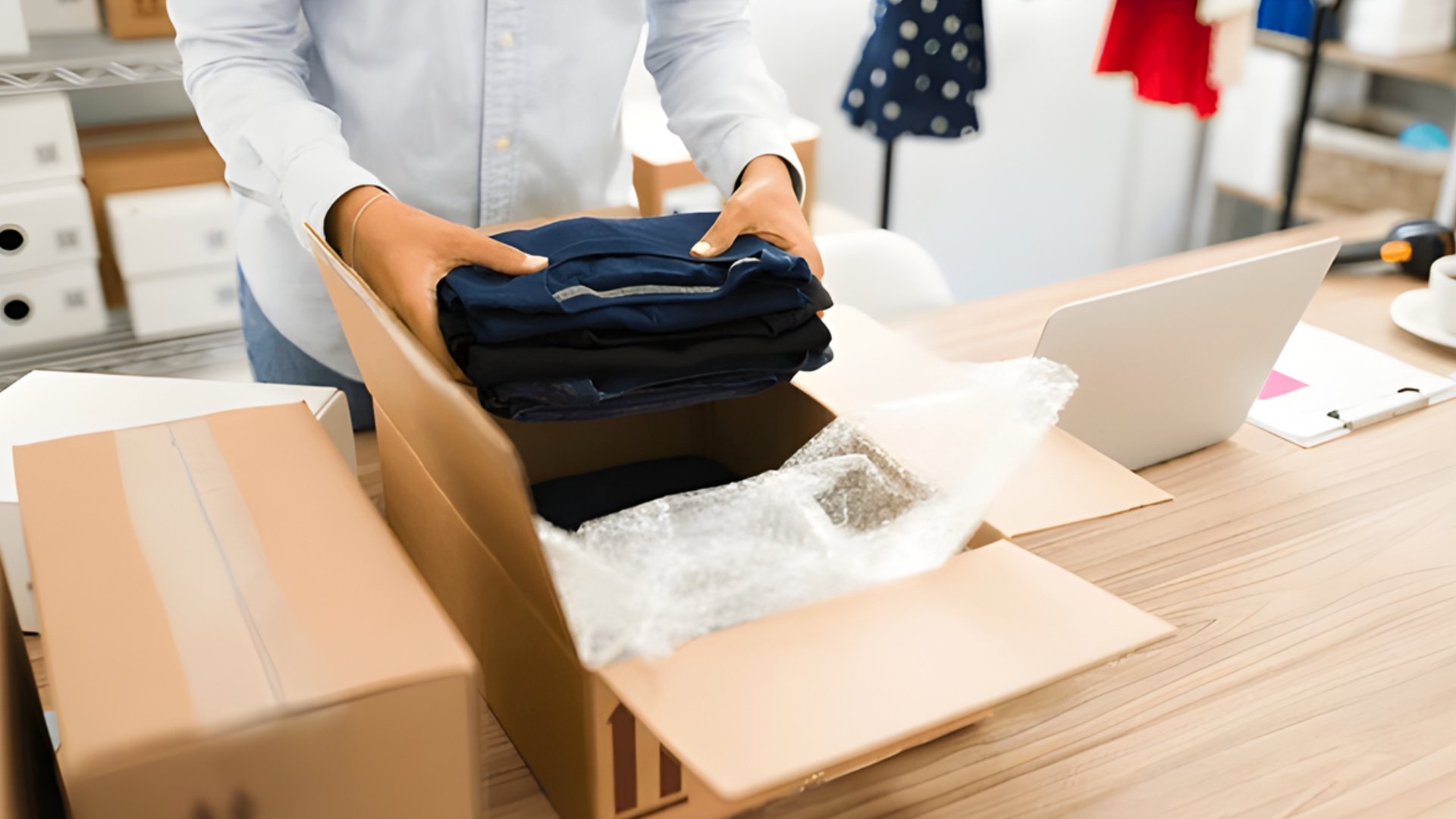
Garment packaging is categorized into three primary types, each serving distinct functions in the packaging process.
Primary Packaging
Primary packaging forms the first layer of protection that comes directly in contact with your garments. This includes items such as polybags, garment sleeves, hang tags, and wrapping paper. This layer is vital because it safeguards your clothing against dust, moisture, and minor damage.
For your brand, this layer also gives you a chance to showcase logos, care instructions, and product details. For instance, branded polybags or tissue paper with logos can enhance the unboxing experience, giving your customers a premium feel.
Secondary Packaging
Secondary packaging groups multiple primary packages together for easier handling, transport, and storage. Common examples include boxes, cartons, and corrugated trays. This packaging protects your garments during transit and reduces damage caused by stacking, shifting, or handling.
In retail environments, secondary packaging also helps streamline inventory management and ensures efficient storage. For e-commerce businesses, it supports just-in-time shipping and ensures products arrive in a professional and organized manner.
Tertiary Packaging
Tertiary packaging forms the outermost layer, protecting your large shipments during bulk transport and logistics. It includes pallets, shrink wraps, stretch films, and heavy-duty shipping containers.
Tertiary packaging is essential for long-distance transportation, warehouse storage, and supply chain efficiency. It reduces the risk of damage from external forces and keeps your products secure until they reach secondary and primary packaging layers. This step is crucial if you handle large volumes of garments.
Materials Used in Garment Packaging
The materials you choose play a key role in the effectiveness of your garment packaging. Different materials offer various levels of protection, sustainability, and visual appeal.
Common materials include:
Polyethylene (PE): This versatile plastic is widely used in poly bags and mailers. It offers durability, moisture resistance, and clarity, allowing customers to view the product while keeping it protected from dust and water.
Polypropylene (PP): Known for its strength and transparency, polypropylene works well for garment bags and packaging that needs a sturdier structure. It resists tearing and helps maintain the shape of delicate or premium clothing items.
Kraft Paper: An eco-friendly option, kraft paper is biodegradable and recyclable. It is commonly used for wrapping garments, filling voids in boxes, or creating paperboard cartons. Kraft paper also provides a natural, premium aesthetic that appeals to environmentally conscious consumers.
Cardboard and Corrugated Paper: Boxes made from cardboard or corrugated paper are ideal for secondary packaging. They offer durability, stackability, and cushioning, making them perfect for e-commerce or bulk shipments.
Foam Inserts: These are often used to cushion delicate items such as formalwear, accessories, or garments with embellishments. Foam inserts prevent crushing and help maintain the shape of products during shipping.
Tissue Paper: Lightweight and soft, tissue paper wraps your garments inside packaging. It prevents creases, scratches, and color transfer between garments, while adding a premium unboxing experience for your customers.
Shrink Wrap and Films: Shrink films, including PVC and polyolefin, tightly encase your garments for protection during transit and storage. They keep items clean, compact, and secure, offering a professional, polished presentation.
These materials are also widely used across manufacturing, distribution, and e-commerce operations, areas supported by industrial suppliers like Alliance Packaging Group, which offers high-volume films, tapes, boxes, and protective packaging designed for garment applications.
Using the right combination of these materials ensures garments are protected, visually appealing, and aligned with your brand’s sustainability and quality standards.
Popular Garment Packaging Formats

Several packaging formats are widely used across the apparel industry, depending on the type of garment, shipping requirements, and retail strategy. Here are the most commonly used formats:
Polybags
Polybags are lightweight, flexible, and often resealable, making them ideal for individual garments like t-shirts, leggings, or casual wear. They protect your clothing from dust, moisture, and minor damage during storage and shipping. Using branded or printed polybags also enhances your customers’ perception and reinforces your brand identity.
Folding Cartons
Folding cartons, made from sturdy paperboard, work perfectly for premium apparel such as shirts, jackets, or formal wear. They provide structural support, prevent deformation, and let you showcase attractive branding through printed designs or finishes. These boxes are especially useful for your e-commerce shipments and retail displays.
Garment Bags
Reusable garment bags, typically made from non-woven fabric or plastic, are used for high-value items like suits, dresses, or coats. They shield your garments from dust, dirt, and moisture while keeping them looking professional during transit or in-store display. Reusing these bags also makes your packaging more eco-friendly.
Hanger Packaging
Hanger packaging allows garments to be shipped or displayed while still on hangers. Cover items with a protective polybag or cardboard sleeve to prevent wrinkles and damage. This approach simplifies your retail handling and reduces the need for re-hanging, keeping your garments polished and ready for your customers.
Gift Packaging
You can use gift packaging for premium or seasonal apparel to create a memorable unboxing experience. Customized boxes, decorative wrapping, and branded inserts elevate the perceived value of your garments, making this option ideal for luxury items or special promotions. This strategy enhances customer satisfaction and strengthens brand loyalty.
Choosing the right format ensures your garments arrive in excellent condition, enhances the brand experience, and simplifies logistics.
Steps for Effective Garment Packaging

Effective garment packaging requires a systematic approach to ensure protection, presentation, and efficiency. Key steps include:
Assess Product Requirements
Start by evaluating your garment’s type, size, fabric, and fragility before choosing packaging materials. Understanding these factors helps you select the right level of protection and the most suitable packaging format for each product.
Choose Appropriate Packaging Materials
Select primary, secondary, and tertiary packaging materials that balance protection, cost, and aesthetics. Include polybags, tissue papers, boxes, and stretch films tailored to your garment type and shipping conditions.
Fold or Prepare Garments Properly
Use correct folding, rolling, or hanging techniques to prevent wrinkles, creases, or deformation. Handling garments properly at this stage minimizes damage and ensures they maintain a professional appearance upon arrival.
Add Protective Layers
Incorporate additional protective layers such as tissue paper, polybags, or foam inserts as needed. These layers safeguard your garments from dust, moisture, and minor impacts during transit.
Group and Secure Items
Place your packaged garments into secondary containers like boxes or cartons. Grouping items together helps you organize shipments, prevent shifting, and provide extra protection during handling and transport.
Label and Brand Packaging
Add shipping labels, barcodes, and branding elements to your packaging. Clear labels help you handle and track shipments efficiently, while branded packaging improves customer perception and reinforces your brand identity.
Inspect Before Shipping
Conduct a final inspection to ensure all garments are clean, intact, and properly packaged. This step reduces the risk of returns and ensures a consistent, high-quality delivery experience.
Following these steps helps you reduce returns, maintain product quality, and reinforce a professional brand image.
Tips for Successful Garment Packaging

Successful garment packaging requires attention to detail, strategic material selection, and an understanding of both operational and branding needs.
Prioritize Protection: Ensure garments are shielded from moisture, dust, and physical damage by using appropriate primary and secondary packaging materials.
Maintain Brand Consistency: Incorporate your brand’s colors, logos, and messaging on packaging to reinforce identity and create a memorable unboxing experience.
Optimize Size and Weight: Choose packaging that fits garments snugly without excess material, helping reduce shipping costs and minimizing environmental impact.
Consider Sustainability: Use recyclable, biodegradable, or reusable materials to appeal to eco-conscious customers and support responsible business practices.
Plan for Shipping Conditions: Assess transportation routes, handling processes, and storage environments to select packaging that ensures garments arrive in perfect condition.
Invest in Quality Tools and Equipment: Reliable sealing tapes, stretch films, strapping, and packaging tools streamline operations and reduce errors during packaging.
By implementing these tips, brands can create packaging that meets customer expectations and supports long-term business success.
How Alliance Packaging Group Can Support Your Garment Packaging Needs?
Alliance Packaging Group offers comprehensive solutions to meet diverse garment packaging requirements. With over 20 years of experience, they understand the importance of precision, reliability, and operational efficiency.
Wide Range of Products: From polybags, boxes, and tissue papers to shrink films, stretch films, tapes, and strapping, Alliance Packaging provides all materials needed for primary, secondary, and tertiary packaging.
Customized Solutions: They can recommend packaging formats, sizes, and materials based on your specific garment types, shipping conditions, and brand requirements.
Operational Support: Alliance Packaging helps optimize packaging workflows, reduce material waste, and improve supply chain efficiency.
Just-in-Time Delivery: With over 10,000 items ready for same-day shipping, they support fast-paced operations and help maintain inventory efficiency.
Trusted Expertise: Their team of packaging specialists works closely with procurement managers, operations leads, and packaging engineers to provide reliable, scalable, and sustainable solutions.
Working with Alliance Packaging Group allows brands to prioritize growth and enhance customer satisfaction while leaving the intricate details of garment packaging to skilled professionals.
Conclusion
Garment packaging is a crucial component of apparel operations, impacting product protection, brand perception, and customer experience. By choosing the right materials, formats, and methods, brands can enhance unboxing experiences, reduce returns, and build loyalty among customers.
Collaborating with experienced partners like Alliance Packaging Group can further streamline the packaging process, delivering bespoke solutions that meet the specific requirements of the apparel industry.
To explore tailored packaging solutions for your business, contact us today.
FAQs
What is the difference between a garment label and packaging?
A garment label provides product information, care instructions, and brand identity, directly attached to the clothing. Packaging, on the other hand, protects, stores, and presents garments during shipping, retail display, or gifting. Labels inform, while packaging safeguards and enhances presentation.
How does primary packaging differ from secondary packaging for garments?
Primary packaging is the direct packaging that touches the garment, like polybags, boxes, or wraps, ensuring protection and hygiene. Secondary packaging surrounds the primary layer, such as cartons, shipping boxes, or crates, used mainly for bulk handling, transportation, and storage efficiency.
How can brands reduce plastic use in garment packaging without affecting quality?
Brands can switch to biodegradable bags, recycled paper wraps, or reusable boxes. Using compostable films, reducing excess packaging layers, and adopting innovative materials like cornstarch-based or plant-fibre packaging maintain garment protection while lowering environmental impact.
What packaging options are suitable for luxury or premium garments?
Luxury garments benefit from sturdy boxes, magnetic closures, satin or tissue paper wraps, and embossed or foil-stamped branding. These materials enhance the unboxing experience, reflect the brand’s premium image, and provide extra protection against damage or creasing.
How can vacuum packaging benefit garment storage and shipment?
Vacuum packaging compresses garments, reducing volume for storage and transport. It protects fabrics from moisture, dust, and insects, maintains garment shape, and lowers shipping costs. It’s particularly effective for bulk shipments or seasonal storage while keeping clothing fresh and wrinkle-free.