Every warehouse and manufacturing facility faces the constant challenge of securing products efficiently while minimizing damage and operational delays. Damaged goods, workplace accidents, and inefficient packing processes can quickly escalate costs and disrupt supply chains.
Choosing the right strapping equipment and tools isn’t just a technical decision; it directly impacts operational efficiency, load security, and cost management. In fact, the global strapping equipment market is projected to reach USD 8.25 billion by 2035, reflecting its growing importance in modern supply chain operations.
With the right solutions, you can streamline your packaging process, protect your goods, and maintain a competitive edge in the logistics chain. This comprehensive guide explores the best strapping equipment and tool solutions, providing insights into various materials, tools, and innovations to help you make informed decisions.
A quick overview:
Strapping equipment and tools secure your loads, improve efficiency, reduce workplace risks, and prevent product damage.
Various strapping materials like polypropylene, polyester, steel, and twines suit different load types and environmental conditions.
Solutions include manual, semi-automatic, and automatic tools, along with accessories like seals, buckles, carts, and kits to keep your operations smooth and efficient.
Proper selection, maintenance, and modern innovations help you enhance safety, efficiency, and sustainability in your packaging processes.
What is Strapping Equipment?
Strapping equipment refers to tools and machinery used to secure products with straps, ensuring stability during storage and transportation. These straps can be made from various materials, including polypropylene, polyester, and steel, each chosen for strength, flexibility, and the specific requirements of the shipment.
The importance of strapping equipment extends beyond simply holding items together. Here’s why it matters:
Load Security: Proper strapping prevents your goods from shifting or getting damaged during handling and transit, protecting high-value or fragile items.
Enhances Operational Efficiency: Using the right equipment streamlines your packaging workflow, reduces manual effort, and improves speed and consistency.
Supports Workplace Safety: The right tools minimize the risk of accidents from unstable loads or manual handling errors, keeping your employees and products safe.
Reduces Costs: Reliable strapping equipment prevents product loss and damage, avoiding expensive replacements and reducing shipping-related losses.
Proper equipment ensures a smooth, predictable process that supports just-in-time supply chains and modern logistics demands. Next, let’s take a closer look at the different strapping materials that can influence your equipment performance.
Types of Strapping Materials
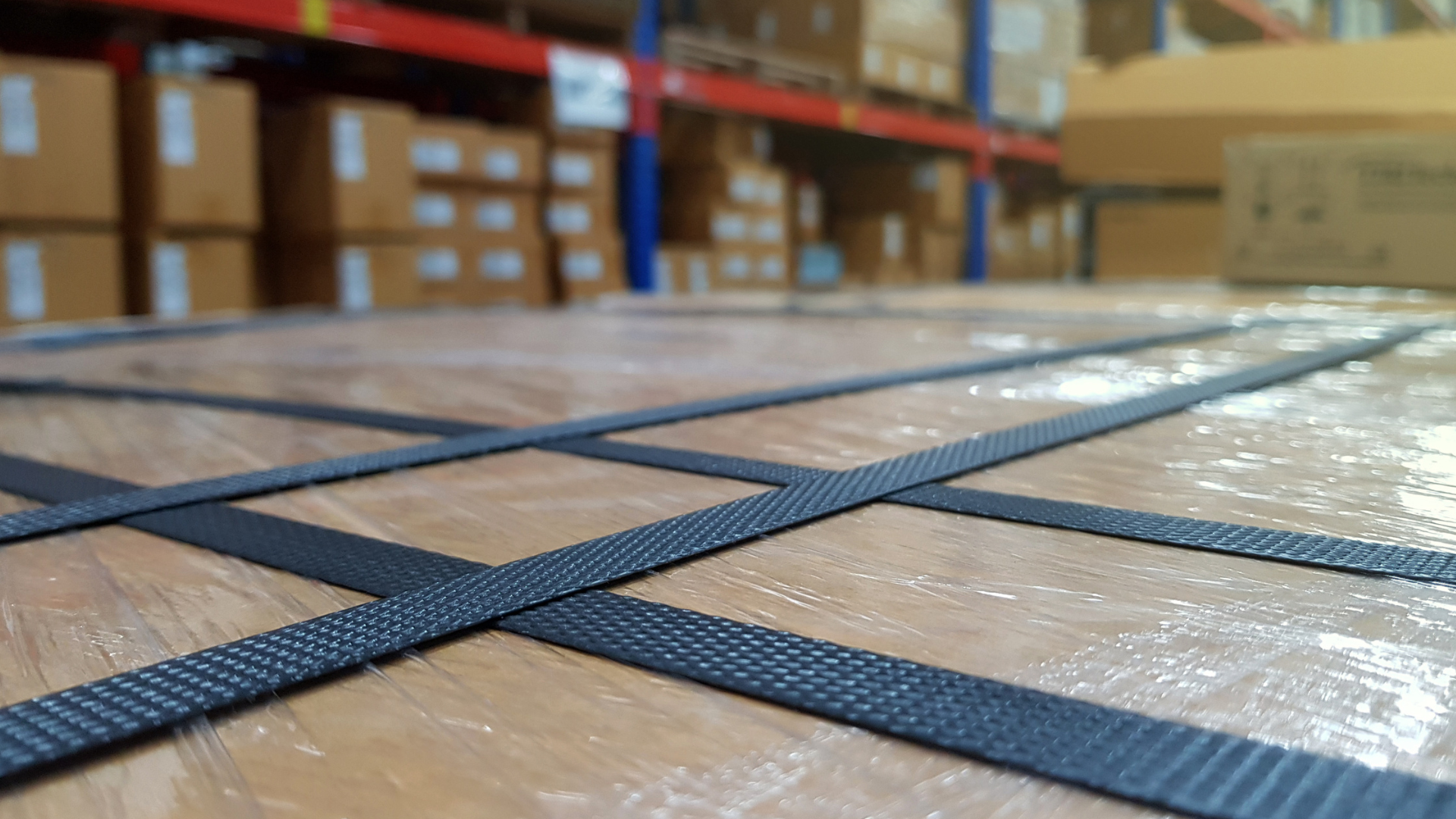
Understanding the different types of strapping materials is vital for selecting the appropriate solution for your specific needs. Each material offers unique benefits tailored to various applications.
Polypropylene (PP) Strapping
Polypropylene strapping is lightweight and cost-effective, making it ideal for light to medium-duty applications. It offers good elongation and recovery, providing flexibility during transit. However, it may not be suitable for heavy-duty applications due to its lower tensile strength.
Polyester (PET) Strapping
Polyester strapping provides high tensile strength and resists elongation, making it a solid choice for heavy-duty applications. It gives excellent load retention and handles temperature changes better than polypropylene.
Steel Strapping
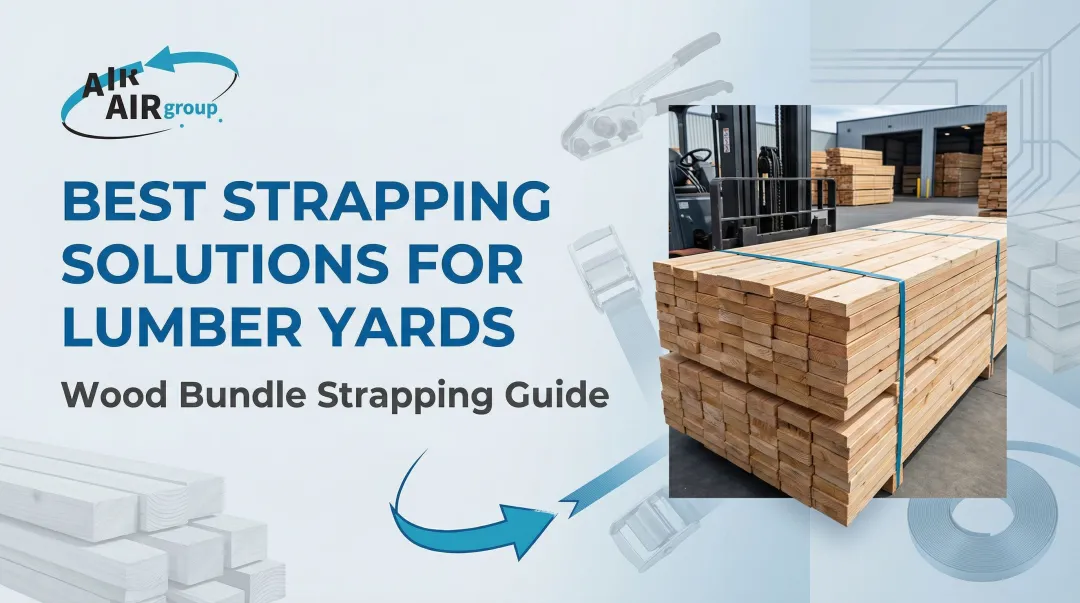
Steel strapping is unmatched for extreme strength and durability. Industries use steel strapping to secure heavy machinery, construction materials, and products that need maximum load containment. Its rigidity ensures minimal stretch, providing superior support during long-distance transportation.
The choice of strapping material depends on load size, weight, transport conditions, and the level of security required. Investing in the right material ensures that your strapping equipment performs efficiently and safely.
In the following section, let's discuss the tools and machines that make strapping efficient and secure.
Strapping Equipment and Tools Categories
Selecting the right strapping tools is essential for efficient and secure packaging. Strapping equipment and tools can be categorized based on their functionality and application.
Manual Strapping Tools
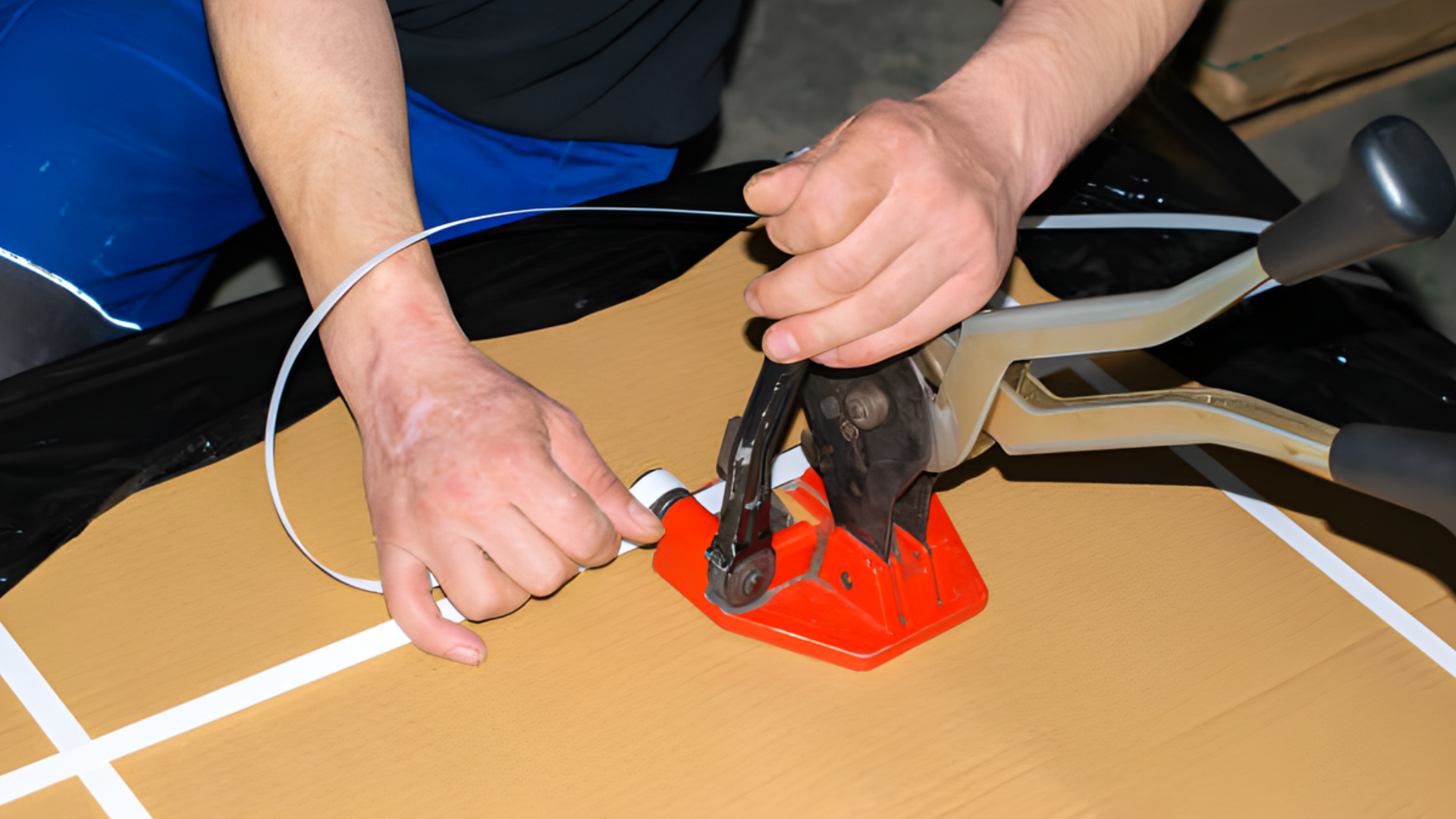
Manual tools are simple, cost-effective, and ideal for low-volume operations or flexible packaging needs. They include tensioners, sealers, and hand-held strapping guns. You can control strap tension and placement precisely with these tools, making them perfect for small packages or occasional use.
Semi-Automatic Strapping Machines
Semi-automatic machines combine manual strap placement with automated tensioning and sealing. Operators place the strap around the load, and the machine completes the tensioning and sealing. These systems increase efficiency, reduce operator fatigue, and provide more consistent results than fully manual tools.
Automatic Strapping Machines
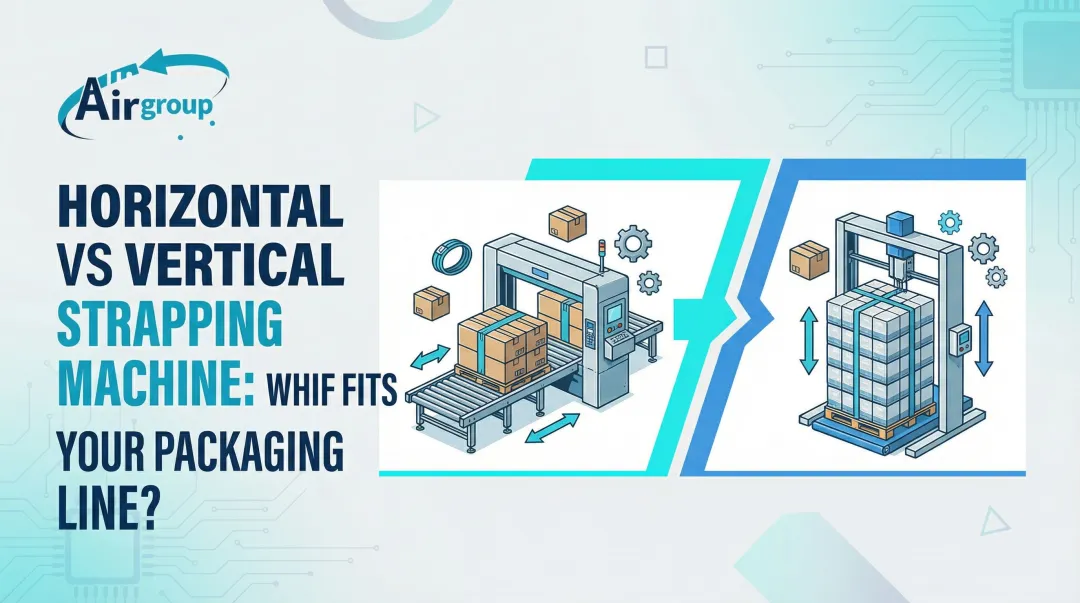
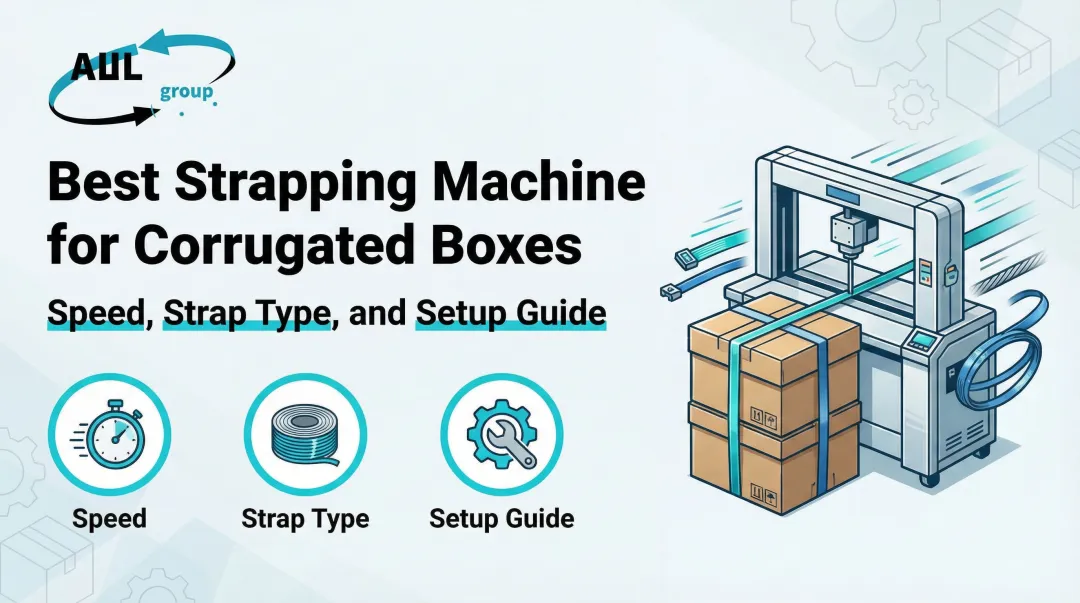
Automatic strapping machines are designed for high-volume operations and integrate seamlessly with conveyor systems. They detect your package size, apply straps automatically, and maintain consistent tension, cutting labor costs and boosting throughput. These machines are ideal for businesses handling palletized or heavy shipments regularly.
Each category offers unique advantages, and selecting the right type depends on your shipment volume, package size, budget, and workforce capabilities. Next, let’s discuss some of the top strapping equipment and tools for industrial use.
Best Strapping Equipment and Tools
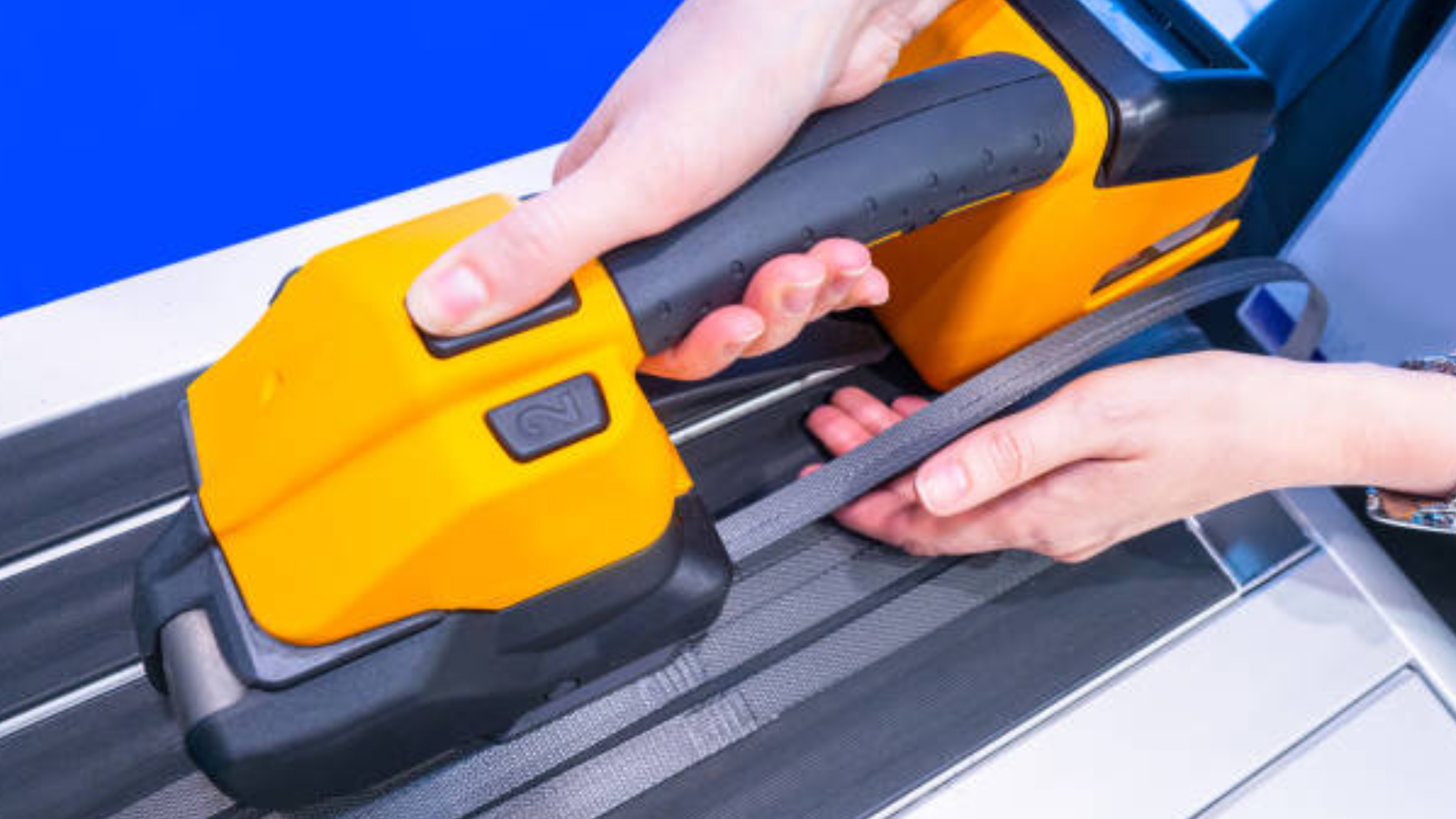
Securing packages effectively is a critical part of any warehouse, manufacturing, or logistics operation. Choosing the right strapping solution is essential for ensuring your products are securely bundled, safely transported, and handled efficiently.
Below, we’ll explore some of the best strapping equipment and tools that you can use for industrial and commercial operations.
Strapping Seals and Buckles
Strapping seals and buckles are small but essential components that lock strapping material in place. They are used in both manual and machine applications to ensure that straps remain secure around packages or pallets. Without proper seals or buckles, straps can loosen, increasing the risk of product damage during handling or transportation.
Key Features:
Secure Closure: Seals and buckles hold your straps firmly in place, preventing slipping or loosening. This keeps your packages tightly bound from the warehouse to delivery.
Material Compatibility: Available in metal and plastic variants, these components are compatible with multiple strapping materials, including polypropylene and polyester. This makes them versatile for a wide range of packaging applications.
Ease of Use: Designed for quick installation, seals and buckles let you apply straps rapidly without losing strength or security.
Corrosion Resistance: Metal seals often come coated to resist rust and corrosion, making them perfect for outdoor storage or humid environments where other materials might fail.
High-quality strapping seals and buckles are a small investment that ensures your packages remain secure, protecting both your products and your brand reputation.
Strapping Tools
Strapping tools are designed to help you apply tension, seal, and cut straps around your packages. They range from manual handheld tools to advanced automatic machines, catering to your different operational scales and volumes. Picking the right strapping tool makes your workflow more efficient and keeps your team safe.
Key Features:
Manual Tools: Simple, portable, and cost-effective, manual strapping tools are perfect for low-volume operations. Workers apply tension by hand, making them suitable for small shipments or occasional use.
Battery-Powered Tools: Lightweight, cordless tools provide consistent tension without manual effort. These are ideal for medium to high-volume operations, reducing operator fatigue and increasing throughput.
Pneumatic Tools: Powered by compressed air, pneumatic tools deliver high tension and rapid application, making them suitable for industrial-scale strapping needs where speed and strength are essential.
Automatic Machines: Fully automated strapping machines integrate with conveyor systems to detect package size, apply the strap, and seal it automatically. These systems maximize efficiency and consistency, especially in high-volume warehouses.
Choosing the right strapping tool helps your team work efficiently while keeping your packages safe and secure.
Strapping Carts
Strapping carts are mobile units that help you store and dispense strapping materials and tools. They improve organization, reduce clutter, and make it easier for you to move equipment around your facility.
Key Features:
Portability: Equipped with durable wheels, strapping carts let you move them easily around your warehouse or production floor, keeping strapping materials accessible wherever you need them.
Organized Storage: Most carts include shelves or compartments for storing seals, buckles, and tools, keeping everything organized and reducing time spent searching for components.
Durable Construction: Built from heavy-duty materials, these carts withstand the rigors of industrial environments, ensuring longevity and reliability.
Adjustable Dispensers: Some carts come with adjustable dispensers, letting you accommodate different coil sizes and reduce downtime when switching materials.
A well-designed strapping cart helps streamline your workflow, keeps essential tools within reach, and improves your operational efficiency.
Poly Card Strapping
Poly card strapping is a reinforced strapping material, often strengthened with polyester fibers, providing superior durability and load-holding capabilities. It’s commonly used for medium to heavy-duty packaging applications where you need extra strength.
Key Features:
High Tensile Strength: The reinforcement with polyester fibers allows poly card strapping to withstand higher loads without breaking or stretching excessively.
Weather and UV Resistance: Poly card strapping resists moisture, sunlight, and temperature changes, making it perfect for outdoor storage and long-distance shipping.
Lightweight and Easy Handling: Unlike steel strapping, poly card strapping is lightweight, making it easier for operators to handle and apply without the need for special equipment.
Safety: Smooth edges reduce the risk of cuts or injuries, providing a safer alternative to steel strapping in certain applications.
Poly card strapping balances strength, durability, and safety, making it a versatile choice for your industrial applications.
Poly Strapping Kits
Poly strapping kits are all-in-one packages that include strapping material, seals or buckles, and tensioning tools. These kits are designed for your convenience and efficiency, allowing you to complete strapping tasks quickly without sourcing components separately.
Key Features:
Complete Solution: Kits provide everything needed for manual strapping, including straps, seals, and tools, saving procurement time and simplifying the process.
Quick Setup: Ready-to-use kits reduce training and setup time, allowing workers to start strapping immediately.
Portable Design: Compact and easy to transport, these kits are perfect for use in multiple areas of your facility.
Cost-Effective: Bundling components in a single kit often results in lower overall costs compared to purchasing each item separately.
Poly strapping kits give you a simple, efficient, and cost-effective way to handle strapping tasks across your facility.
Sisal Tying Twine
Sisal tying twine is a natural fiber twine made from the leaves of the sisal plant. Known for its strength, flexibility, and biodegradability, it is commonly used in packaging, agriculture, and craft applications.
Key Features:
Eco-Friendly Material: Made from natural fibers, sisal twine is biodegradable and eco-friendly, helping you reduce plastic waste in your packaging.
High Strength: Strong enough to bundle and secure medium-weight packages or agricultural products without snapping.
Versatile Applications: It can be used for gardening, crafts, packaging, or bundling products in warehouses and farms.
Safe to Handle: Soft yet sturdy, sisal twine is gentle on your hands and doesn’t require protective gloves for standard use.
Sisal tying twine is a great option if you want sustainable yet reliable packaging performance.
Polypropylene Tying Twine
Polypropylene tying twine is a synthetic, high-strength option that you can use widely in packaging. It’s lightweight, durable, and resists moisture, chemicals, and UV exposure.
Key Features:
High Tensile Strength: It can withstand significant tension without breaking, ideal for securing heavy loads and irregularly shaped packages.
Weather and Chemical Resistance: Resistant to moisture, mildew, and many chemicals, making it suitable for long-term storage and outdoor use.
Lightweight and Easy to Use: Reduces operator fatigue and is simple to handle during strapping applications.
Neat Appearance: Smooth texture ensures a tidy, professional-looking finish on packages without damaging the items.
Polypropylene tying twine offers dependable strength and durability, making it suitable for a wide range of industrial and commercial applications.
Each type of tool and material serves a specific purpose, and using the right solution helps you keep your products secure while improving your workflow.
How to Choose the Right Strapping Equipment?
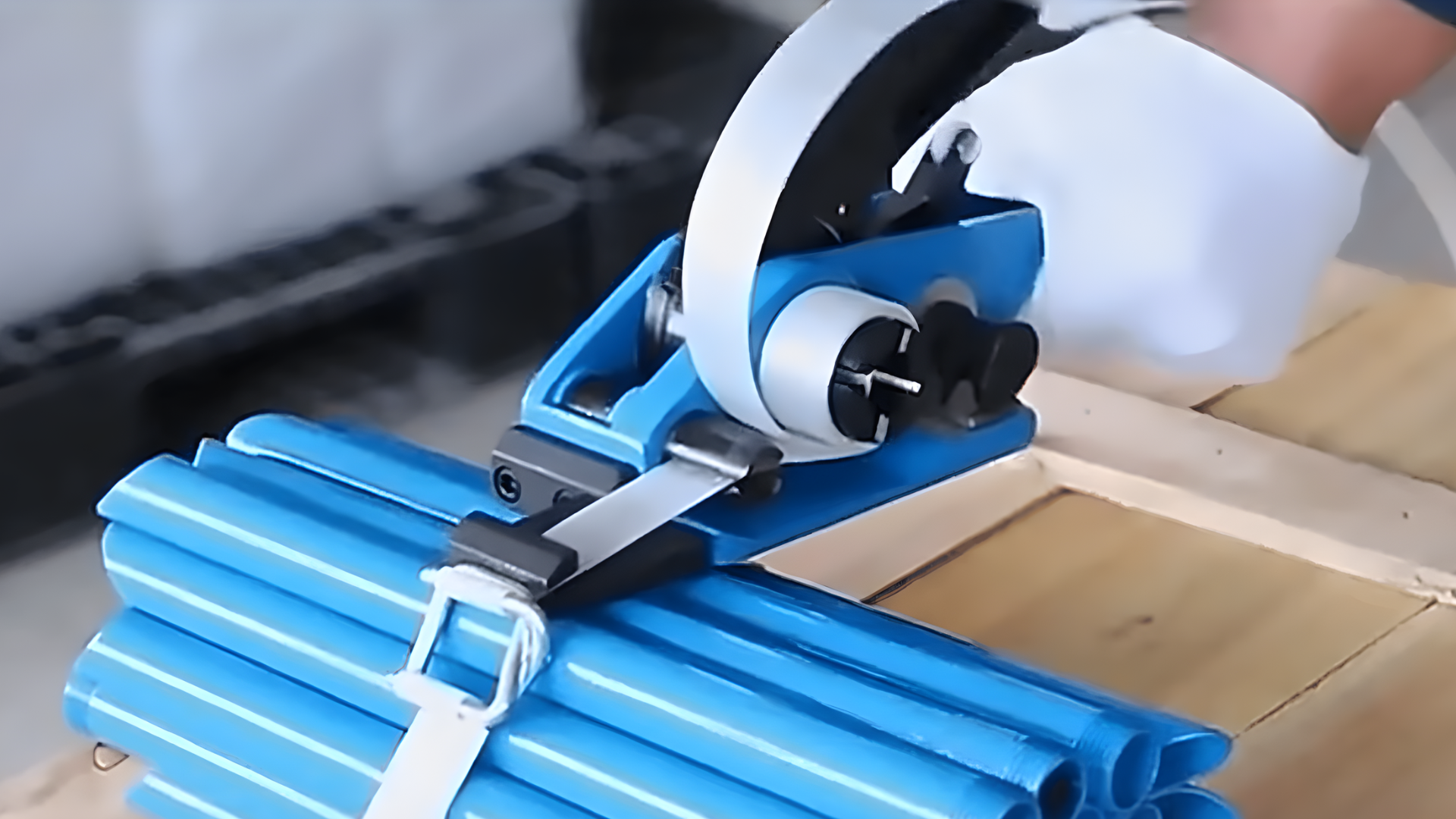
Choosing the right strapping equipment involves a careful assessment of your operational needs, budget, and product characteristics. Here are the key factors to consider:
Load Characteristics: Assess the weight, dimensions, and fragility of your products. Heavy or irregular loads often require steel strapping and automatic machines, while lighter boxes work well with polypropylene and manual tools.
Volume of Operations: High-volume warehouses benefit from automatic or semi-automatic machines that improve throughput and reduce labor costs. Low-volume or seasonal operations may only need manual tools.
Operator Skill Level: Make sure the equipment matches your team’s expertise. Manual or semi-automatic tools are easier to adopt, while fully automatic machines may need specialized training.
Cost vs. ROI: Compare the upfront investment with long-term benefits. Automatic systems cost more initially but save you money through efficiency, fewer errors, and less product damage.
Integration with Existing Systems: Check that the equipment fits your warehouse layout, conveyor systems, and workflow. Proper integration prevents bottlenecks and keeps operations smooth.
Flexibility and Compatibility: Choose tools that work with multiple strap materials and sizes, giving you versatility for different packaging scenarios without additional equipment purchases.
By keeping these factors in mind, you can make smart decisions that maximize both efficiency and safety. In the next section, let's discuss proper maintenance and safety practices to ensure your equipment performs reliably.
Maintenance and Safety Tips for Strapping Equipment
Proper maintenance and adherence to safety protocols are essential for prolonging the lifespan of strapping equipment and ensuring operator safety.
Regular Inspection: Inspect your tools and machines often for wear, loose parts, or damage. Catching problems early prevents failures and reduces downtime, keeping your operations running.
Cleaning and Lubrication: Clean and lubricate all moving parts regularly to prevent jams and maintain smooth operation. Dust, adhesive, or debris can affect performance, so keep your equipment spotless.
Proper Staff Training: Train everyone who uses strapping equipment on correct operation, tensioning, and sealing techniques. Well-trained staff reduce accidents and ensure consistent load security.
Use of Personal Protective Equipment (PPE): Wear gloves, safety glasses, and proper footwear when handling steel straps or high-tension tools. PPE protects you from cuts, pinches, and heavy loads.
Safe Storage Practices: Keep strapping tools and materials organized and accessible. Don’t stack heavy items on tools, and store consumables like straps and tapes in dry, temperature-controlled areas.
Scheduled Maintenance: Follow the manufacturer’s guidelines for preventive maintenance, including part replacement and calibration. Regular servicing keeps your equipment working optimally.
Emergency Procedures: Have clear steps ready for jams, strap breakages, or equipment issues. Knowing how to respond safely reduces downtime and keeps everyone safe.
A proactive maintenance program protects your team and prevents workplace injuries and costly downtime. Next, let's explore the latest advancements in strapping Technology.
Latest Innovations in Strapping Technology
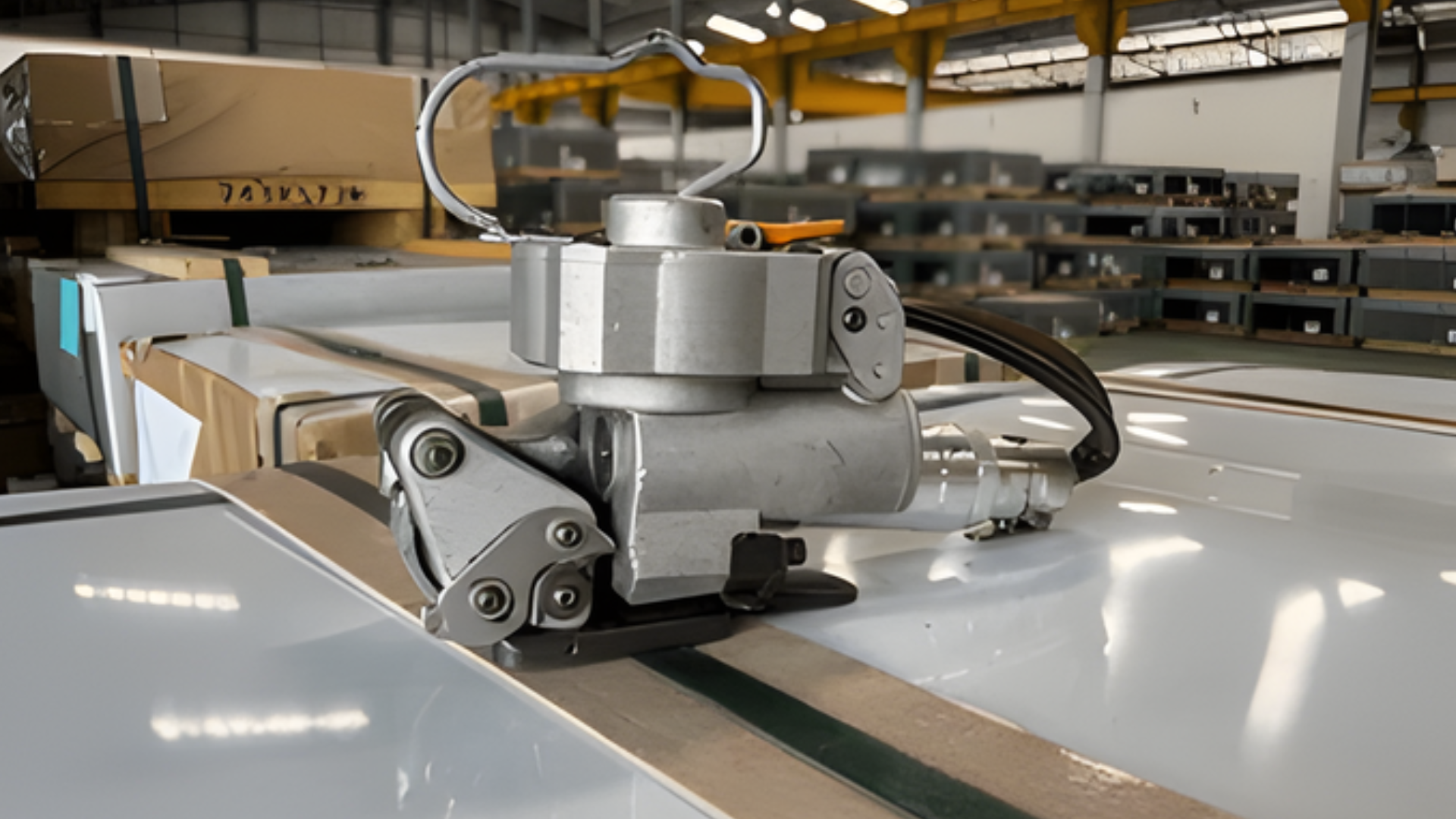
The strapping industry is evolving rapidly, introducing innovations that improve efficiency, safety, and sustainability. Some of the latest advancements include:
Smart Strapping Tools: Equipped with sensors and connectivity features, these tools allow real-time monitoring and data collection, helping you track performance and identify inefficiencies.
Eco-Friendly Materials: Recyclable and biodegradable strapping options reduce environmental impact while maintaining the strength and reliability needed for heavy-duty applications.
Automation Integration: Strapping systems integrated with automated workflows streamline the process, reduce labor costs, and increase throughput for high-volume operations.
Advanced Tensioning Systems: Innovative tensioning mechanisms ensure precise and consistent strap application, improving load security and reducing product damage.
Ergonomic & Lightweight Designs: Modern tools are built for operator comfort, minimizing fatigue during extended use while maintaining high efficiency and performance.
These innovations allow businesses to stay competitive, meet sustainability goals, and maintain high operational standards.
How Alliance Packaging Group Can Support Your Strapping Needs?
Alliance Packaging Group has over 20 years of experience providing reliable strapping solutions to manufacturers and distributors across the United States to optimize their packaging and shipping processes.
Here’s how we can assist you:
Comprehensive Product Selection: Access a wide range of strapping equipment, tools, and materials, including polypropylene, polyester, and steel straps, to meet any load type or operational requirement.
Expert Guidance: Our experienced team helps you choose the right equipment and materials for your specific operations, ensuring optimal tension, load security, and efficiency.
Reliable Brands and Quality Assurance: Partner with trusted brands like 3M and IPG for high-quality tapes and strapping solutions that guarantee durability and consistent performance.
Operational Efficiency: With over 10,000 items ready for same-day shipping, Alliance Packaging Group supports just-in-time supply chains and reduces downtime, helping your business stay competitive.
Safety and Maintenance Support: Get practical tips on equipment use, maintenance, and workplace safety to maximize equipment lifespan and minimize risk during strapping operations.
Partnering with Alliance Packaging Group ensures your operations are backed by precision, reliability, and scalable solutions tailored to your business needs.
Conclusion
Choosing the right strapping equipment helps you run your operations efficiently, reduce costs, and protect your goods during transit. By understanding the different types of strapping materials, tools, and innovations, you can make informed decisions that enhance your packaging processes.
Modern strapping tools enhance load security and make your supply chain more streamlined and effective. For procurement and operations professionals seeking dependable, scalable solutions, Alliance Packaging Group offers the expertise, products, and support to meet every strapping need.
To explore our full range of strapping equipment and tools, contact us today and secure your operations with confidence.
FAQs
How does a strapping machine work?
A strapping machine wraps a strap around products or pallets, tightens it, and seals it using heat, friction, or a buckle. This secures items for storage or transport, enhances stability, and reduces damage during handling and shipping.
How can I determine which level of strapping automation is right for my business?
Consider factors such as your packaging volume, speed requirements, and budget. Our team can assist with an analysis of your current operations to recommend a solution that maximizes efficiency and cost savings.
What are the benefits of automated strapping machines over manual tools?
Automated machines can significantly increase throughput and reduce labor costs through consistent performance and reduced human intervention. This is particularly beneficial for high-volume operations.
Are there any financing options available for equipment purchase?
Yes, Alliance Package Group offers flexible financing plans for businesses looking to invest in new strapping equipment. Contact us to learn more about our financing solutions tailored to your business needs.
How often should strapping equipment be serviced?
It depends on usage levels, but generally, a routine maintenance check every few months is advisable to ensure optimal performance and avert potential breakdowns. Regular servicing helps in minimizing downtime and extending equipment life.