

Shipping fragile items can be a major concern for procurement managers, operations leads, and packaging engineers. A single mishandled package can lead to costly damages, unhappy customers, and operational setbacks.
That’s why proper packaging is not just a task; it’s a critical part of your logistics strategy. By understanding the importance of proper packaging and choosing the right materials and techniques, you can protect your products and maintain your reputation.
In this guide, we’ll walk you through the best packing materials for fragile items, techniques to use, and common mistakes to avoid.
Key takeaways:
Proper packaging shields fragile items from damage during transit while reducing costs and protecting your brand’s reputation.
Using materials like bubble wrap, foam inserts, packing peanuts, and sturdy boxes gives you reliable cushioning and stability.
Techniques such as layering, dividers, double boxing, and void filling help provide extra protection for different fragile items.
Following best practices and considering shipping factors ensures your items arrive safely and your packaging works effectively.
Why Proper Packaging is Important for Fragile Items?
Proper packaging goes beyond simply wrapping items in bubble wrap or placing them in a box. For fragile items, effective packaging acts as a first line of defense against the shocks, vibrations, and environmental factors encountered during shipping.
Here’s why it matters:
Protects Against Physical Damage: Adequate cushioning and secure packaging absorb shocks, vibrations, and pressure during transit, preventing breakage and scratches.
Reduces Operational Costs: Damaged shipments lead to returns, replacements, and wasted resources. Effective packaging minimizes these costs and improves supply chain efficiency.
Safeguards Brand Reputation: Delivering items intact shows your professionalism and reliability, enhancing customer trust and satisfaction.
Supports Compliance and Safety: Proper packaging helps you follow shipping regulations and ensures safe handling, reducing liability and potential penalties.
In the following section, let’s look at the materials that make effective protection possible.
Best Packing Materials for Fragile Items
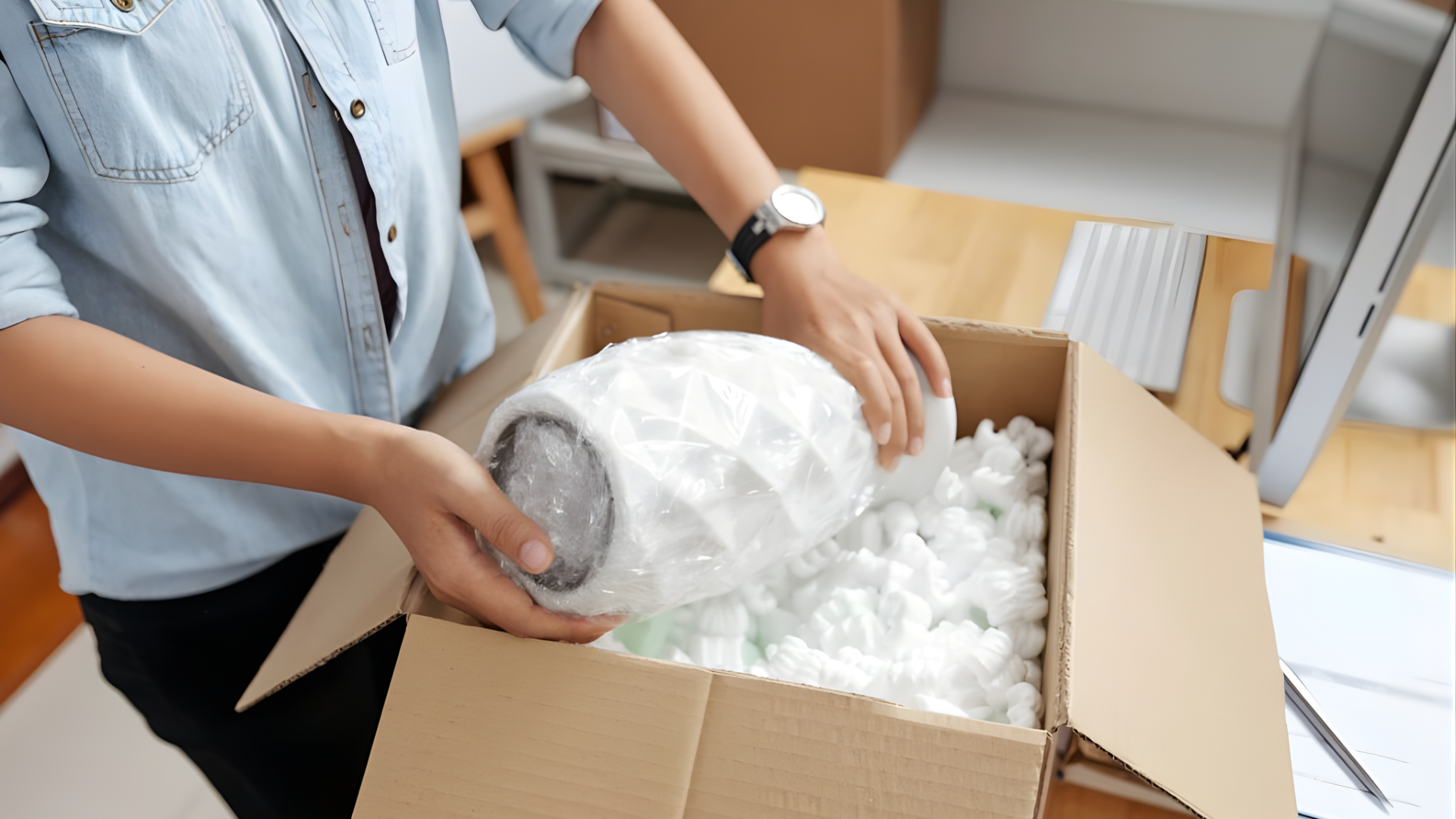
Using the right materials is the first step in safeguarding fragile items. Packaging materials vary depending on your item’s size, weight, and sensitivity, but some essentials are universally recommended:
Bubble Wrap
Bubble wrap is a versatile cushioning material that protects your items from shocks and vibrations during transit. The air-filled bubbles absorb impact, preventing cracks or breakage. You can choose from various sizes and thicknesses to suit small, medium, or large fragile items. For extremely delicate objects, use multiple layers of bubble wrap for added protection.
Foam Sheets and Inserts
Foam sheets provide a lightweight, flexible layer of protection that conforms to your item’s shape. Custom foam inserts hold irregularly shaped products, such as electronics, glassware, or delicate machinery, securely in place. This prevents movement inside the box and reduces the risk of damage from bumps or shifting during transport.
Packing Peanuts and Paper Fill
Packing peanuts and paper fill help you fill empty spaces in your shipping boxes efficiently. They prevent items from sliding around and add an extra layer of cushioning. You can choose biodegradable or recyclable options to protect the environment without compromising safety.
Corrugated Boxes
Corrugated boxes are the foundation of any effective packaging system. Double- or triple-wall boxes provide enhanced rigidity and structural strength, which is crucial for heavier or more fragile items. They serve as your first line of defense against external pressure and impacts during handling and shipping.
Stretch and Shrink Films
Stretch and shrink films protect surfaces from scratches, dust, and moisture. Use stretch film to secure multiple items together or wrap pallets, and shrink film to tightly seal items, keeping them clean and presentable. These films also stabilize oddly shaped or stacked packages.
Tape and Strapping
High-quality tape and strapping keep your packages sealed and secure. Strong adhesive tapes like 3M and IPG ensure boxes remain closed throughout shipping, while strapping materials provide extra reinforcement for heavier or bulkier packages. Applying tape and strapping properly reduces the chances of accidental openings during transit.
Using a combination of these materials ensures comprehensive protection for your fragile items. With the right materials in place, the next step is applying methods that maximize protection.
5 Key Packaging Methods for Fragile Items
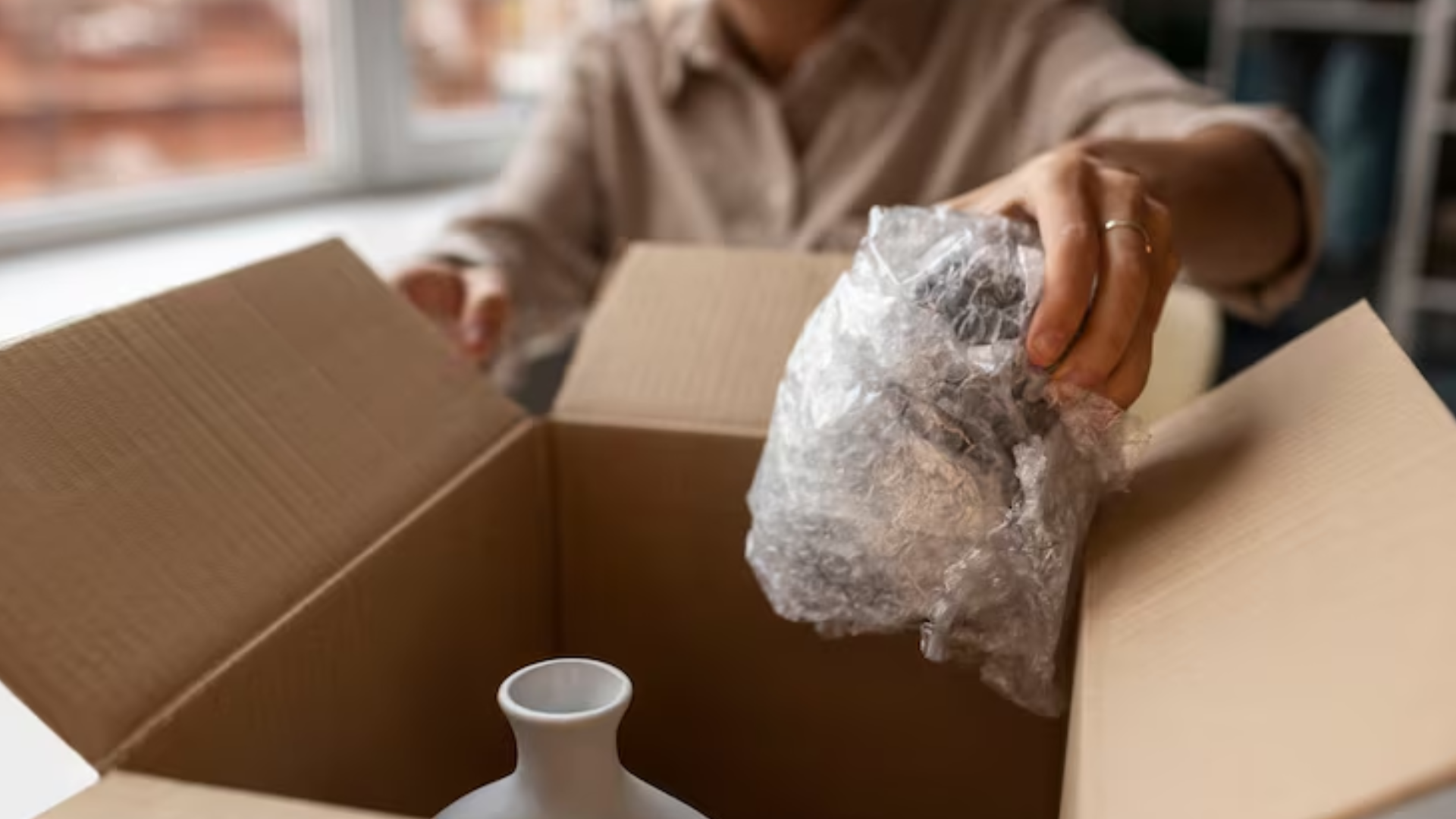
Packaging methods help you reduce impact, vibration, and pressure that could damage your items. The right method depends on your product, shipping method, and destination. Commonly used methods include:
Cushioning and Layering
Adding multiple layers of cushioning creates a protective buffer around your item. Proper layering absorbs impact and prevents internal movement during shipping.
Bottom Cushioning: Place a layer of foam, bubble wrap, or packing peanuts at the bottom of your box to absorb initial impacts during handling.
Side Protection: Wrap the sides with additional cushioning to prevent lateral movement and shield against bumps.
Top Layer: Add cushioning on top to protect against downward pressure and stacking in transit.
Layering ensures your fragile item is completely enveloped and shielded from potential shocks.
Dividers and Inserts
Dividers and custom inserts are particularly useful when shipping multiple items in one container. They prevent your items from colliding, scratching, or breaking against each other.
Cardboard Dividers: Simple yet effective, these separate items and reduce internal movement. They are ideal for glassware, bottles, or small electronics.
Custom Foam Inserts: Molded foam inserts securely hold your items in place, especially useful for oddly shaped or high-value products.
Adjustable Partitions: Flexible partitions allow you to reconfigure box interiors for varying sizes and quantities.
Using dividers and inserts keeps items organized and significantly reduces the risk of internal collisions.
Wrapping Individual Items
Individual wrapping provides an extra layer of protection for each item, minimizing surface damage and internal movement.
Bubble Wrap: Wrap each item with several layers, paying extra attention to corners and edges that are most prone to damage.
Foam Sheets: Perfect for delicate surfaces or irregularly shaped items, foam sheets cushion against shocks.
Paper or Tissue Wrap: Lightweight wrapping protects less fragile items from scratches and minor abrasions.
Proper wrapping ensures that even if the box experiences movement, each item remains cushioned and secure.
Double Boxing
Double boxing is an effective method for shipping extremely fragile or high-value items. By placing your item in two layers of protection, you minimize the risk of damage from impacts, crushing, or rough handling during transit.
Inner Box: Wrap your fragile item with cushioning materials and place it securely in a sturdy inner box.
Outer Box: Place the inner box inside a larger, reinforced outer box with additional padding between the two boxes. This secondary layer absorbs shocks and prevents pressure from reaching the item.
Labeling: Clearly mark both boxes as “Fragile” and indicate orientation with “This Side Up” labels. Proper labeling helps shipping personnel handle the package carefully.
This method is especially useful for glassware, electronics, and delicate instruments, offering superior protection against impacts and pressure.
Void Filling
Filling empty space in your packaging is crucial to prevent movement and absorb external impacts.
Packing Peanuts: Fill gaps efficiently to provide cushioning and shock absorption.
Air Pillows: Lightweight and flexible, air pillows are excellent for larger voids and help maintain box structure.
Paper or Foam: Crumpled paper or foam sheets offer a customizable solution for smaller voids or irregularly shaped items.
Properly filled voids keep items stationary, providing an extra safeguard against unexpected movements during transit.
These methods, when combined with high-quality materials, significantly reduce breakage and improve customer satisfaction. To make these methods actionable, here’s a step-by-step approach you can follow for every shipment.
Step-by-Step Guide for Packing Fragile Items
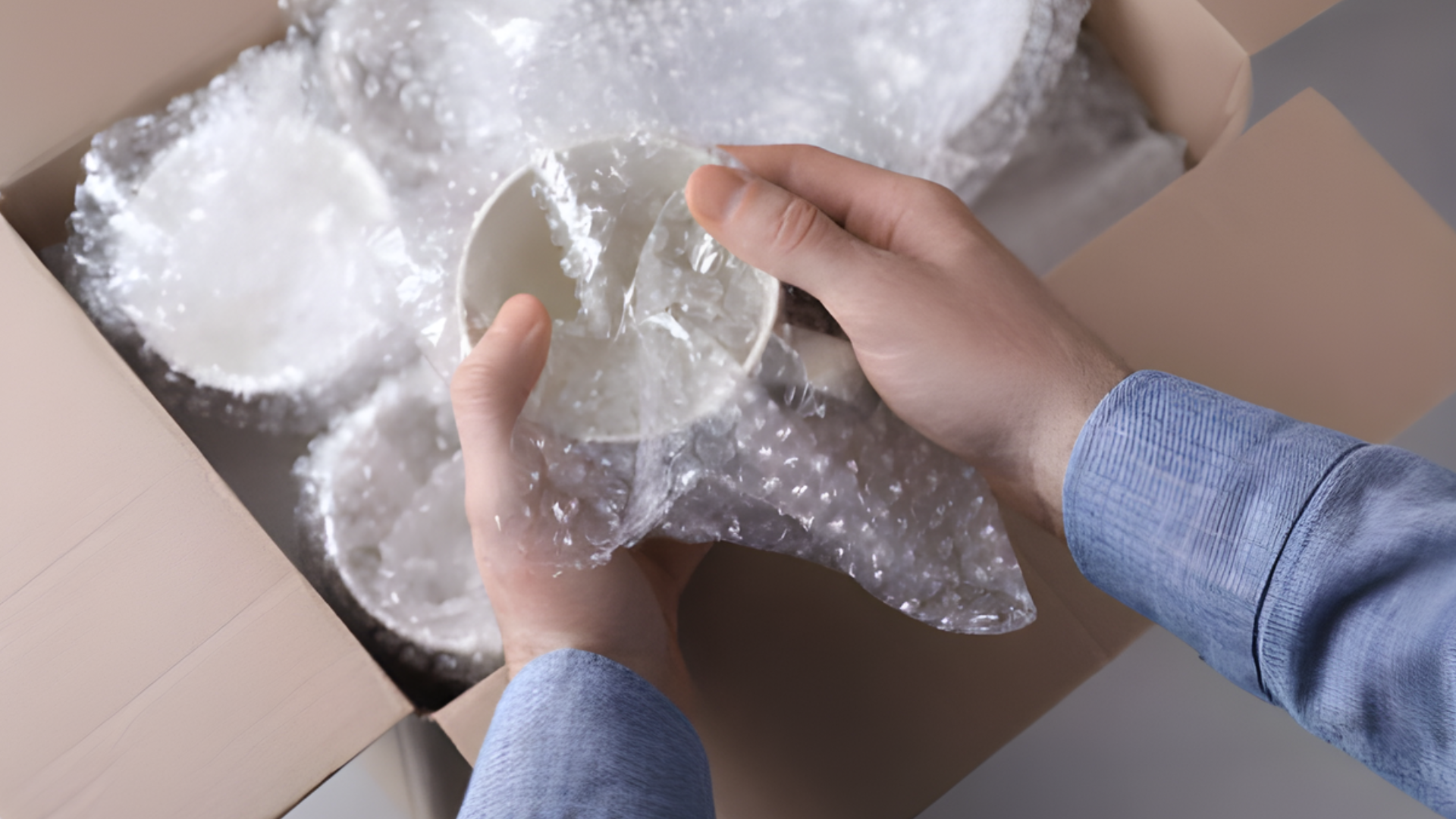
A structured packing process ensures fragile items are consistently protected, reducing breakages and operational inefficiencies. Follow these steps to create a reliable workflow for your team:
Step 1: Assess the Item
Before you pack, evaluate the fragility, weight, and shape of each item. Check if it needs special handling, temperature control, or moisture protection. By understanding the item’s vulnerabilities, you can choose the most appropriate packaging materials and techniques.
Step 2: Select the Right Packaging Materials
Pick a box or container that fits your item snugly. Select cushioning materials such as bubble wrap, foam sheets, or air pillows, and consider protective films to prevent scratches or dust. Use high-quality tapes and strapping materials to keep your package secure during transit.
Step 3: Prepare the Box
Line the bottom of the box with cushioning material to absorb shocks. Ensure the box is strong and suitable for your item’s weight. This preparation creates a stable base for safely placing your product.
Step 4: Pack the Item
Wrap each item individually with bubble wrap, foam sheets, or other protective materials. Place it in the center of the box and surround it with extra cushioning on all sides. This gives your item complete 360-degree protection.
Step 5: Fill Empty Spaces
Fill any voids with air pillows, packing peanuts, or crumpled paper. This prevents movement inside the box and protects your items from impacts during transport. Make sure you fill gaps carefully without pressing too hard on fragile items.
Step 6: Seal and Label the Box
Seal the box with strong tape along all seams and edges. Reinforce with strapping if needed. Clearly label the box with handling instructions, like “Fragile” or “This Side Up,” to alert handlers.
Step 7: Double Boxing(Optional)
For extremely delicate or high-value items, place your packed box inside a slightly larger box with extra cushioning. Double boxing gives an additional layer of protection against impacts and external forces.
Step 8: Inspect the Package
Before shipping, check the package for loose items, gaps, or insufficient cushioning. Make adjustments as needed to ensure your item is securely packed. A final inspection guarantees maximum protection and lowers the risk of damage during transit.
Following this structured process ensures you provide uniform protection across all shipments. In the next section, let’s explore solutions tailored for different product types.
Specialized Packaging Solutions for Different Fragile Items
Not all fragile items are the same, and each requires a tailored approach for safe delivery. Here’s how you can handle common types of delicate products:
Glassware and Ceramics
For vases, dishware, and ornaments, wrap each piece individually with bubble wrap or foam sheets. Double-box heavy or tall items to add extra structural support. These steps help you prevent cracks, chips, and scratches during shipping.
Electronics
Electronic devices are sensitive to shocks, static, and moisture. Use anti-static bubble wrap or foam inserts and add protective covers for screens and ports. By placing items snugly in the box, you reduce the risk of damage during handling and shipping.
Artwork
Wrap paintings, framed prints, and sculptures in acid-free paper and use reinforced corner protectors. If necessary, place them in custom crates for extra protection. These steps help you maintain the artwork’s appearance and ensure it reaches its destination safely.
Medical Equipment
Medical devices and instruments often need precise, sterile packaging. Use rigid foam inserts for stability, label packages clearly, and ensure your packing materials meet industry standards. This prevents contamination and protects against operational failure during shipping.
Fragile Household Items
For mirrors, lamps, or collectibles, combine cushioning, dividers, and shrink/stretch films. Wrap each piece individually, fill empty spaces to prevent movement, and mark boxes clearly. These precautions help you ensure careful handling during transport.
Following these specialized solutions helps you address the risks for each type of fragile item, providing maximum protection.
Shipping Considerations for Fragile Items
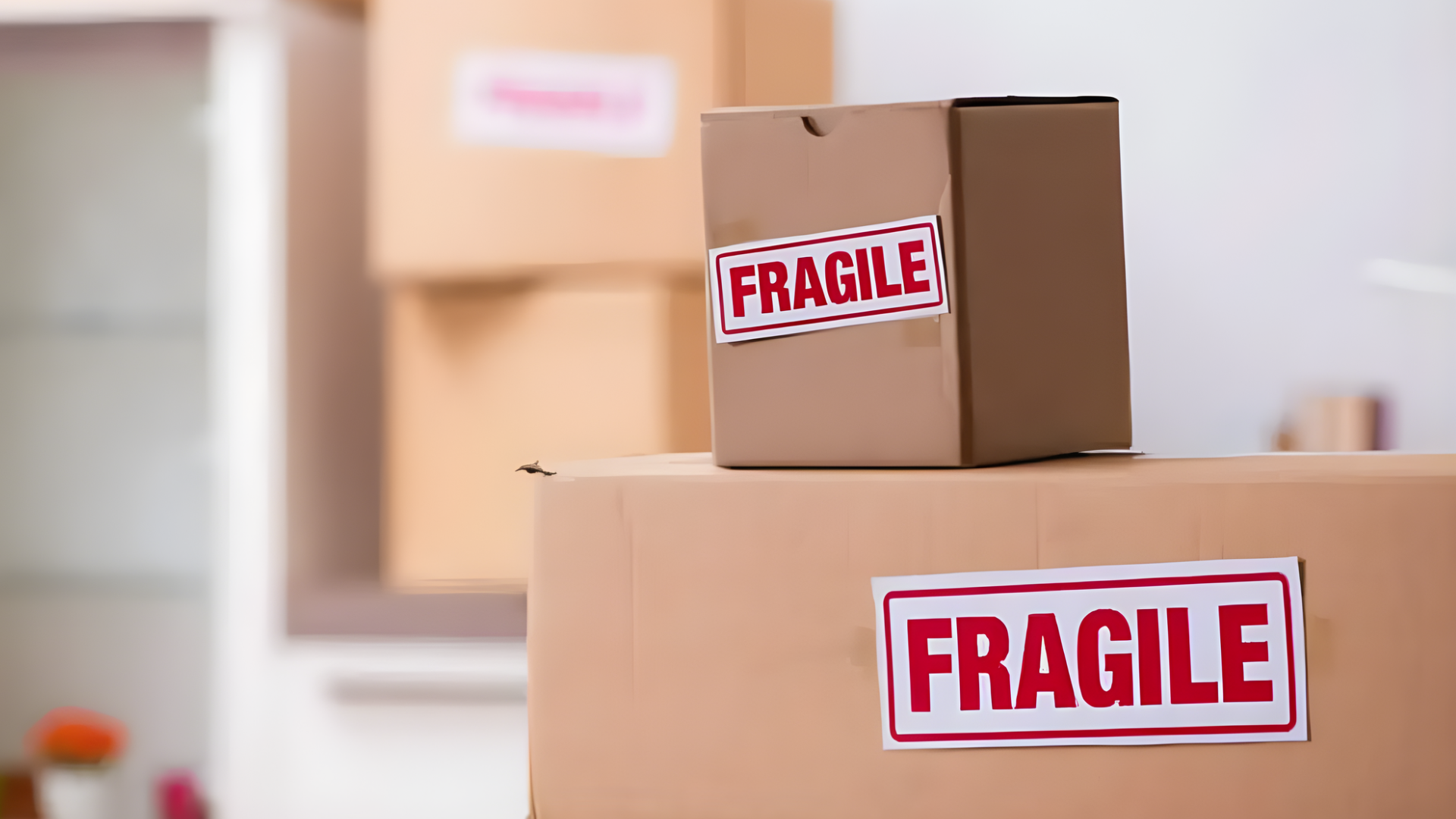
Even if you pack your items perfectly, they can still get damaged if you overlook key shipping factors. Here’s what you need to consider:
1. Handling and Labeling Instructions
Clearly label your boxes to prevent mishandling during transit. You should mark all fragile items with labels like “Fragile,” “Handle with Care,” or “This Side Up.” These labels guide handlers in stacking and placing your shipments correctly. Also, use waterproof labels so your instructions stay visible in humid or wet conditions.
2. Choosing the Right Shipping Carrier
Not all carriers handle fragile goods carefully. Choose carriers known for careful handling, detailed tracking, and specialized fragile-item shipping options. By building a reliable partnership with your carrier, you can reduce damage and increase accountability.
3. Packaging Density and Load Stability
How you load and secure items in your vehicle matters just as much as how you pack them. Make sure you arrange boxes tightly to prevent shifting during transport. You can use stretch film or strapping to stabilize pallets, which reduces the impact of vibrations and sudden movements.
4. Environmental and Transit Conditions
Temperature, humidity, and altitude changes can affect delicate materials like glass, electronics, or ceramics. For sensitive shipments, consider using moisture-resistant films or insulated boxes. You should monitor temperature and humidity during transit to prevent unseen damage.
5. Insurance and Risk Mitigation
Even with excellent packaging, accidents can happen. You can protect your business with shipping insurance, covering potential financial losses from damage or loss during transit. For high-value fragile goods, invest in coverage that matches your item’s full value and risks.
6. Tracking and Visibility
Use real-time tracking tools to monitor your shipment’s progress. Many carriers now provide digital dashboards and SMS updates, allowing you to follow fragile shipments closely. By tracking proactively, you can respond faster to delays or incidents, ensuring smoother delivery management.
7. Delivery and Post-Shipping Handling
Safe delivery doesn’t end when your items reach their destination. Ensure unloading staff follow the same careful guidelines used during packing and transit. Inspect items immediately upon arrival to spot and address any damage.
Combining careful packing with thoughtful shipping practices ensures your items arrive safely. Next, let's explore some common pitfalls that can undermine your careful packaging efforts.
Common Packaging Mistakes to Avoid
Even experienced professionals sometimes make mistakes that increase the risk of damage:
Underpacking: Avoid leaving fragile items vulnerable by using insufficient cushioning or padding, which can expose your products to shocks and breakage.
Overpacking: Don’t compress delicate items with too much pressure or excessive material, as this can cause cracks instead of protection.
Using Inadequate Materials: Cheap or weak packaging materials, like thin bubble wrap or fragile boxes, often fail to protect your items. Make sure you use high-quality materials.
Neglecting Labels: Always mark boxes as “Fragile” and provide clear handling instructions to prevent careless treatment by shipping staff.
Reusing Old Boxes: Previously used boxes may have weakened structures. Inspect them carefully before use to ensure they safely transport your items.
By understanding these mistakes, you can now focus on the best practices that ensure consistent, damage-free shipments.
Best Practices for Packing Fragile Items
Applying proven best practices can streamline packing processes and reduce breakage rates:
Standardize Packaging Materials: Keep a consistent inventory of high-quality cushioning, boxes, tapes, and strapping to ensure every shipment gets reliable protection.
Train Your Team: Educate your employees on proper handling, packing sequences, and material usage to minimize errors and damage.
Test Packaging Methods: Simulate shipping conditions to spot weak points. Regular testing lets you refine your materials and methods for optimal protection.
Monitor Weight Distribution: Place heavier items at the bottom and ensure even weight distribution. This prevents shifting, crushing, or deformation during transit.
Continuously Review & Adapt: Regularly evaluate your packaging processes and materials. Incorporate innovations and feedback to improve efficiency and protection over time.
Following these practices ensures you pack fragile items effectively, efficiently, and safely every time.
How Alliance Packaging Group Can Support Your Fragile Item Shipping Needs?
Alliance Packaging Group brings over 20 years of expertise in packaging and shipping solutions to support businesses in protecting fragile items.
Here's how we can support you:
Comprehensive Packaging Materials: Access a wide range of high-quality cushioning, corrugated boxes, tapes, strapping, and films designed specifically to protect fragile items during transit.
Advanced Equipment & Tools: From single conveyor units to full conveying systems, along with hand tools and shipping room supplies, we provide everything you need to streamline packaging operations.
Extensive Inventory for Fast Fulfillment: With over 10,000 items ready for same-day shipping, we help maintain just-in-time supply chains, reducing storage costs and operational delays.
Expert Guidance & Custom Solutions: Our team of packaging specialists works with you to identify the best methods and materials for your fragile items, ensuring tailored solutions that meet your operational and safety needs.
Partnering with Alliance Packaging Group provides access to quality materials and expertise in packaging fragile items.
Conclusion
Proper packaging of fragile items is essential to ensure their safe delivery and maintain customer satisfaction. By selecting appropriate materials, implementing effective packaging methods, and considering shipping factors, businesses can protect their products during transit.
Continuous evaluation and adaptation to new materials and techniques can further enhance packaging effectiveness. Partnering with experienced packaging providers, such as Alliance Packaging Group, offers tailored solutions to meet specific shipping needs.
For secure and efficient fragile item shipping, reach out to us and optimize your packaging process today.
FAQs
Which packaging method is best suited for fragile items?
Cushioning-based methods like bubble wrap, foam inserts, corrugated boxes, and honeycomb paper offer excellent protection. Using a combination of inner padding and sturdy outer boxes ensures that fragile items remain secure during transit, absorbing shocks and preventing breakage.
How to pack fragile products?
Start by wrapping each fragile product individually using bubble wrap or foam. Place the wrapped items in a strong, durable box and cushion them with packing peanuts or crumpled paper to fill any empty spaces. Seal the box securely and mark it as “Fragile” to alert handlers to take extra care.
What is the 3-inch cushioning rule for protecting fragile shipments?
The 3-inch rule suggests placing at least 3 inches of cushioning, like bubble wrap, foam, or paper, around fragile items inside a box. This buffer absorbs shocks, reduces movement, and prevents damage during handling, drops, or vibrations in transit.
How can tilt or impact indicators help ensure safer handling of fragile packages?
Tilt and impact indicators visually show if a package has been dropped, tilted, or mishandled. They alert handlers to handle the shipment with care and allow recipients to detect potential damage early, ensuring accountability and safer transportation of fragile items.
Are honeycomb paper sleeves and corrugated wrap effective for fragile packaging?
Yes, honeycomb paper sleeves and corrugated wrap provide strong, lightweight cushioning. They absorb shocks, protect against compression, and are eco-friendly alternatives to plastic-based materials, making them highly effective for safeguarding fragile items during shipping.