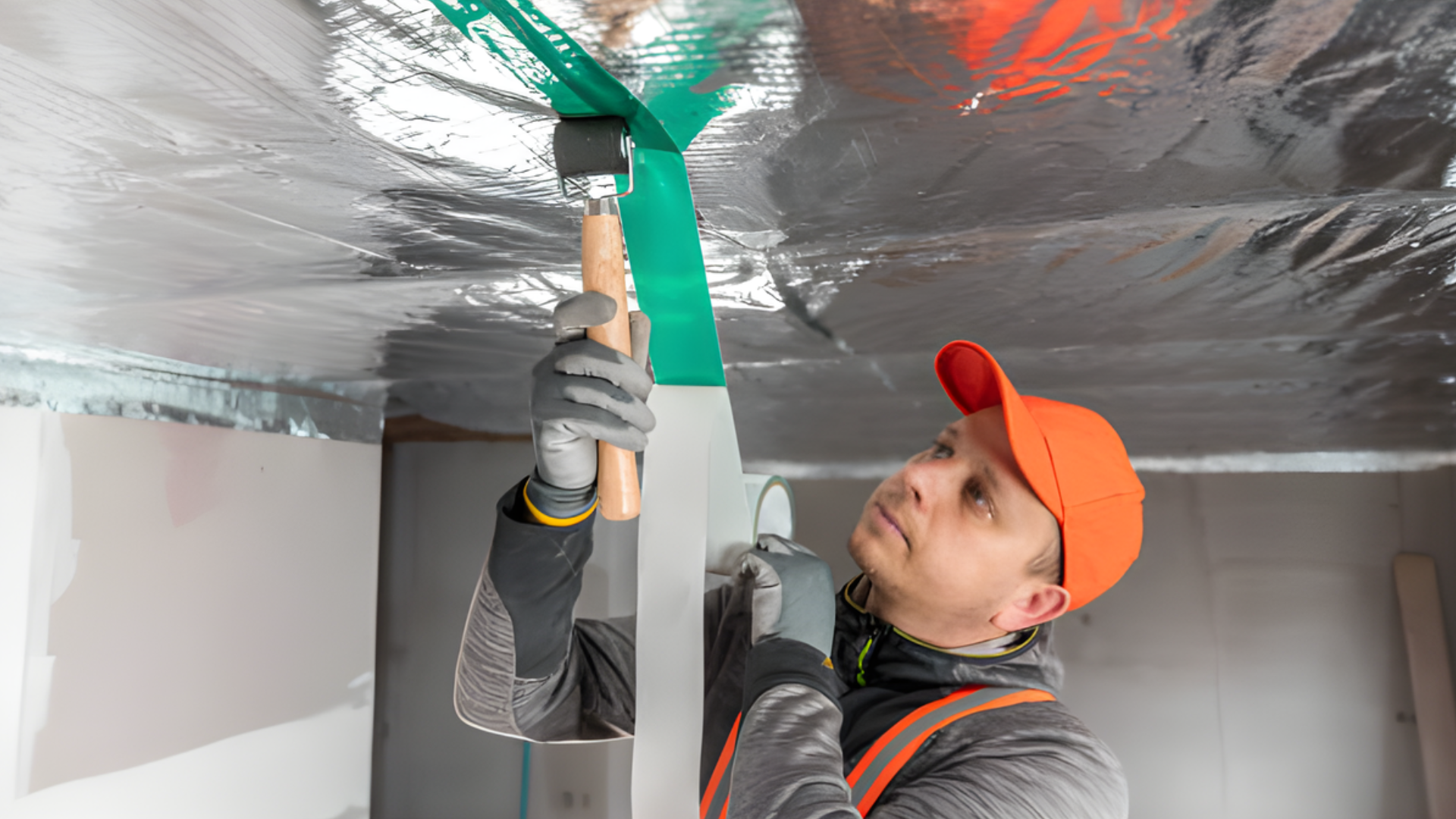
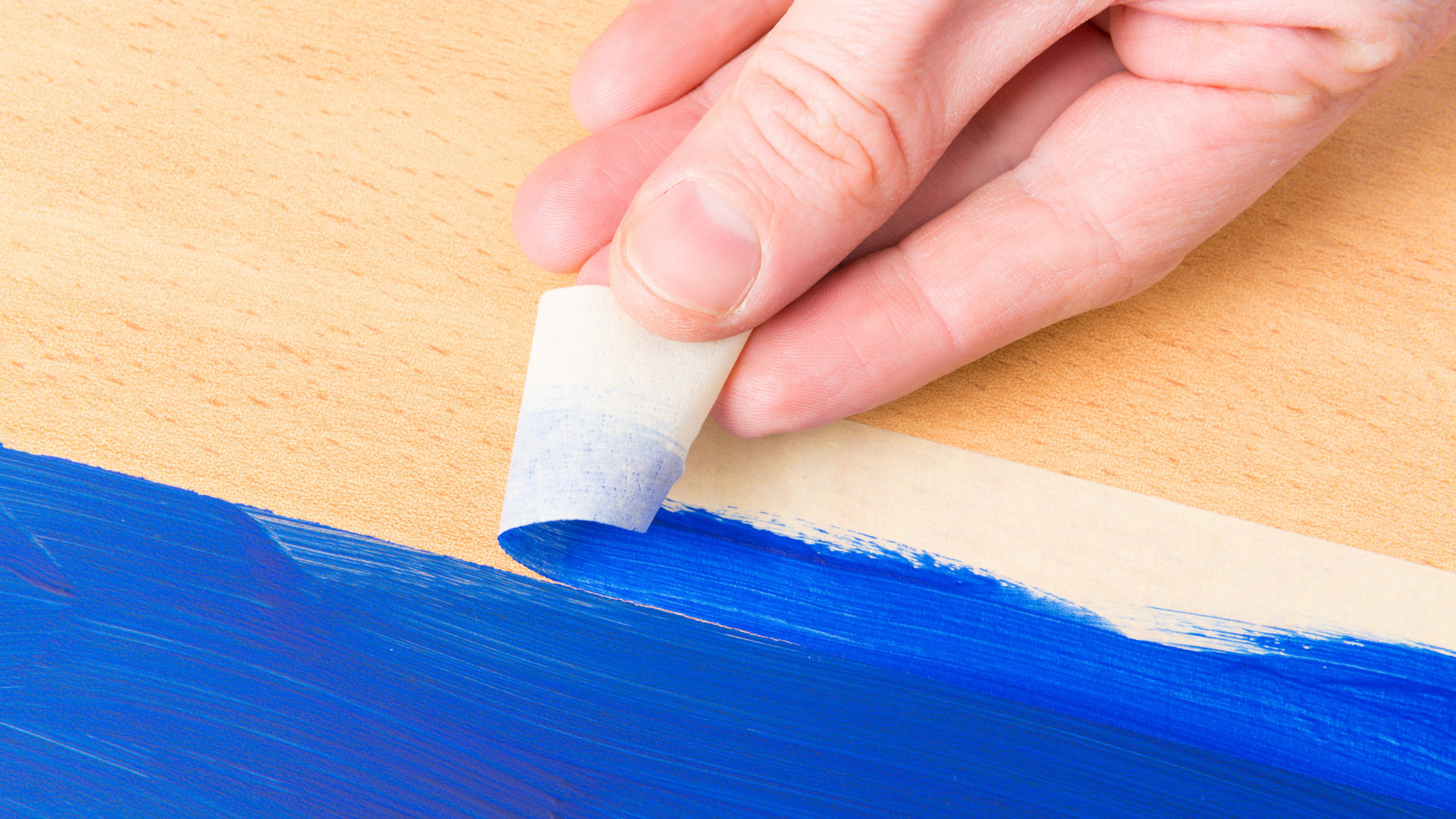
Selecting the best masking tape for oil painting on canvas is essential not only for artists, but also for production teams, packaging engineers, and quality-control departments that work with canvas-based displays, signage, or coated materials. The right masking tape prevents bleed-through, protects delicate surfaces, and ensures a clean, professional finish across various industrial and creative environments.”
Masking tape isn’t just a packaging material; it’s a reliability tool that helps you maintain clean edges, protect delicate surfaces, and ensure a professional finish. Whether you’re part of a production line, a logistics operation, or managing packaging specifications, selecting the right masking tape can make the difference between an acceptable outcome and a flawless finish.
In this guide, we’ll explore how to select the best masking tape for oil painting, avoid common mistakes, and optimize your workflow for consistency and efficiency.
Key Takeaways:
Masking tape helps you maintain clean edges, protect surfaces, and preserve the integrity of materials during packaging, storage, or shipment.
Choose tapes with the right adhesion strength, backing quality, width, and residue-free removal to achieve smoother workflows and consistent results.
Different types of masking tape, including standard, low-tack, painter’s, and archival, are suited for specific techniques, surface types, and operational needs.
Proper tape application and removal techniques help prevent surface damage and ensure a professional, high-quality outcome every time.
What is Masking Tape?
Masking tape is a pressure-sensitive tape made of paper with an easily released adhesive. Unlike regular tape, you can easily remove masking tape without leaving residue or damaging your canvas. It is widely used in manufacturing, packaging, and finishing processes to protect surfaces during coating, spraying, or handling.
In oil painting, masking tape serves several key purposes:
Protects Specific Areas: Masking tape shields parts of your canvas you don’t want exposed to paint or adhesives, maintaining sharp, defined edges.
Ensures Precision: By creating clear boundaries, masking tape helps you achieve uniform, professional-looking results across multiple pieces.
Preserves Canvas Integrity: High-quality masking tapes peel off without damaging the canvas or leaving sticky residue behind.
Enhances Workflow Efficiency: Reduces time spent correcting mistakes, which improves throughput and consistency in packaging or painting operations.
Versatile for Different Techniques: Works well with layering, color blocking, and detailed designs, making it a flexible tool for all styles.
Using masking tape strategically helps your painting appear polished and well-executed, saving time and frustration. Next, let’s explore the key features that make a masking tape effective for clean, precise results.
Key Features to Look for in Masking Tape for Oil Painting
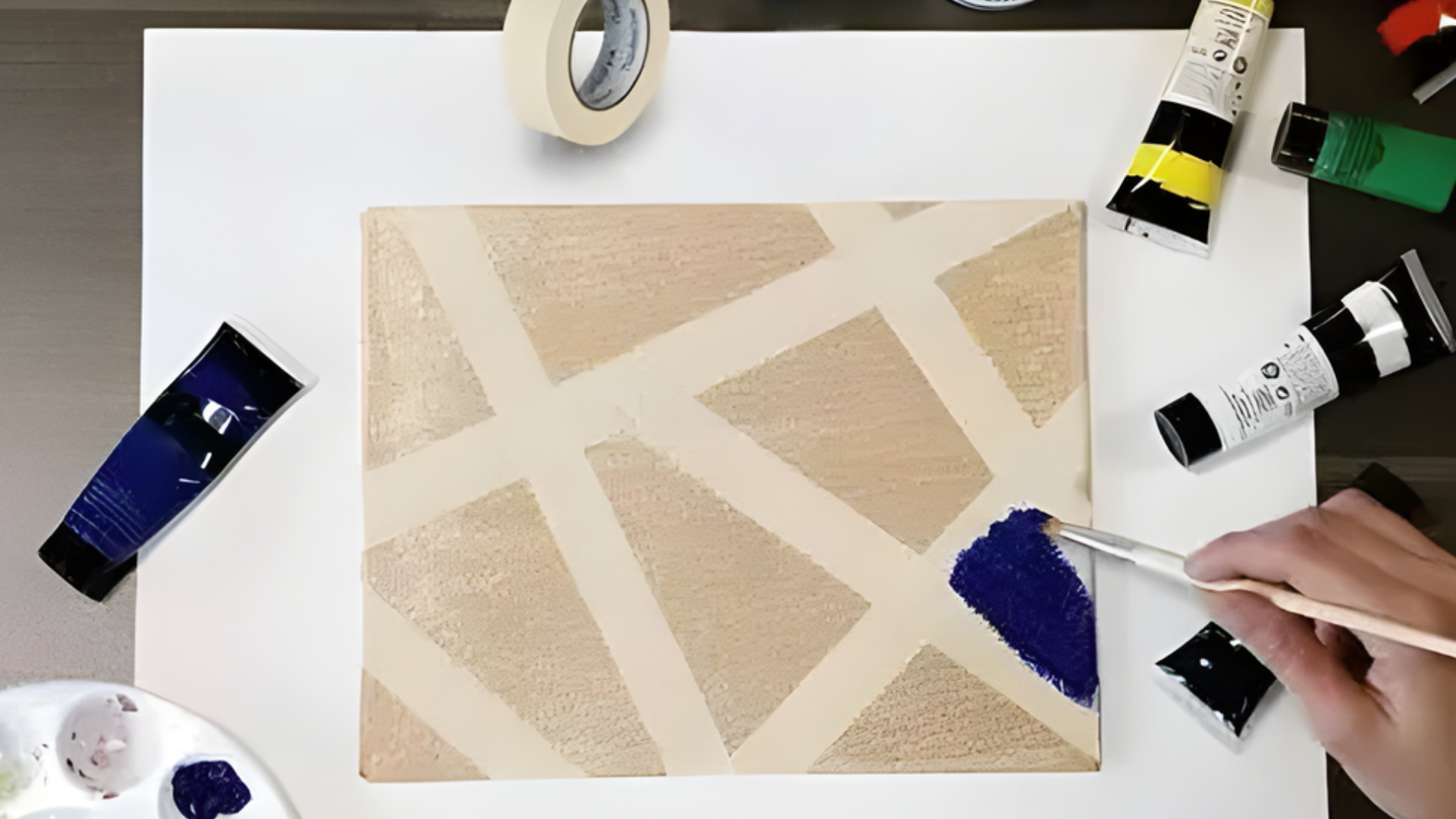
Choosing the right masking tape for oil painting can make all the difference between crisp, professional edges and uneven paint lines. Below are the key features that matter most.
Adhesion Strength(Track)
The adhesive determines how well your tape sticks, strong enough to hold, and gentle enough not to damage the canvas. For oil painting, you should choose medium to low-tack adhesion that holds securely but can be removed cleanly once the paint dries. Too much stickiness might pull off paint layers or even lift the surface, while too little can let paint bleed under the edges.
Material Quality
The material affects flexibility, texture, and resistance to paint. Paper-based or painter’s tapes work best because they’re lightweight, easy to shape, and conform to curves or textured surfaces. High-quality materials help you prevent tearing when removing the tape, keeping your canvas and artwork intact.
Width and Thickness
Masking tapes come in various widths to suit different techniques. Narrow tapes (around ¼ inch) are great when you need precision lines, while wider tapes (1 inch or more) are ideal for covering large sections efficiently.
Additionally, thickness affects how well the tape conforms to textured surfaces. A very thin tape might tear or cause bleed-through, while a thick one can lift paint or leave hard edges. Having multiple widths available helps your team stay flexible in different projects.
Residue-Free Removal
A high-quality masking tape should peel away cleanly without leaving sticky residue, especially since oil paints take longer to dry and attract dust. Always look for clean-removal or low-residue options to protect both the artwork and surface quality.
Compatibility with Canvas Texture
Since canvas texture varies, from smooth linen to coarse cotton, you need a tape that adheres evenly to different surfaces. Tapes with a slightly elastic backing perform better on rougher textures, ensuring paint doesn’t seep through or create uneven lines.
Temperature and Durability
As oil painting involves long drying times and studio environments with fluctuating temperatures, you need masking tapes that stay stable. Tapes designed to withstand humidity and heat maintain adhesion without curling, tearing, or breaking down. Durable performance ensures your masking holds for the entire production or painting duration.
Together, these features ensure your masking tape enhances your results rather than creating additional challenges. In the next section, let’s discuss the different types of masking tapes suited to various surfaces.
Types of Masking Tapes: Choosing the Best Masking Tape for Oil Painting on Canvas
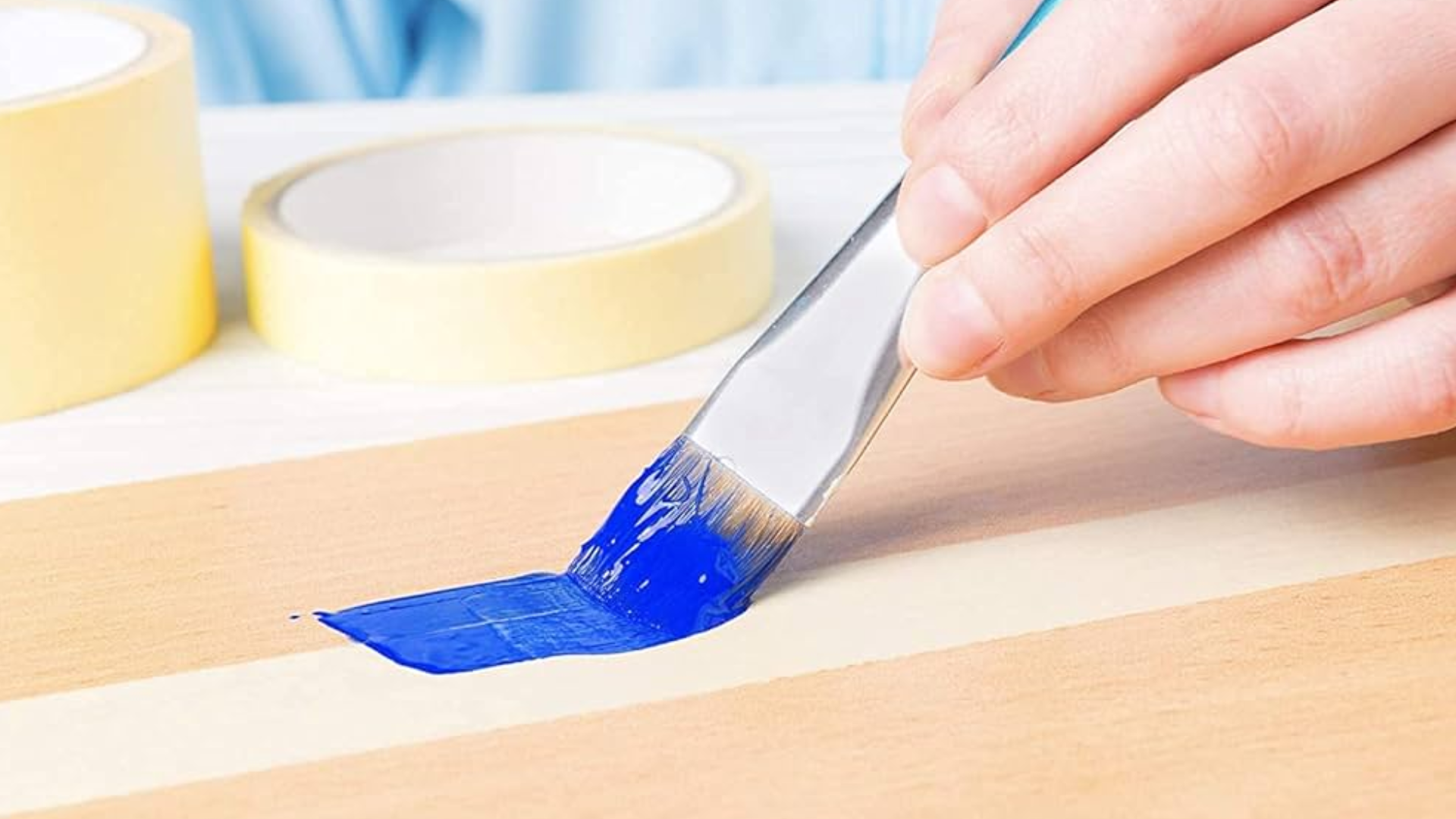
Choosing the right masking tape depends on your surface type, use case, and level of precision required. Each tape type has specific characteristics that make it suitable for different operational and creative needs.
Standard Paper Masking Tape
Standard paper masking tape is one of the most practical and cost-effective options for general applications. It’s lightweight, easy to tear by hand, and adheres well to most canvas surfaces without causing damage or residue.
This tape works best for protecting broad areas and creating clean edges, making it useful for basic tasks or quick masking needs. Its affordability and availability make it a reliable choice for teams managing multiple projects.
Low-Tack Artist’s Tape
Low-tack artist’s tape is designed for delicate or fine-detail work where precision matters. Its gentle adhesive keeps paint from seeping under edges and minimises the risk of lifting fibres when removed.
This type of tape is ideal for small-scale applications, testing surfaces, or delicate designs. Its flexibility helps it adapt well to textured canvases, ensuring crisp, smooth results.
Painter’s Tape
Painter’s tape offers stronger adhesion and long-lasting durability, making it ideal for rougher canvases or extended projects. It performs well for larger strokes or when you need the masking to stay intact longer.
Some painter’s tapes also have multi-surface compatibility, giving you versatility across different materials. Be sure to remove it carefully to avoid damaging the surface underneath.
Specialty Archival Tape
Specialty archival tapes are designed for projects requiring preservation-grade quality. These acid-free tapes maintain adhesion throughout the process while ensuring no residue or surface damage.
They’re particularly valuable when you’re working on high-value pieces, long-term displays, or professional exhibits where surface protection matters most.
Knowing the differences between tape types allows you to select the right option for their specific project, whether working on fine details or large-scale masking tasks in your operation. Next, let's look at some of the top-rated options trusted by professionals.
Top Masking Tapes for Oil Painting on Canvas
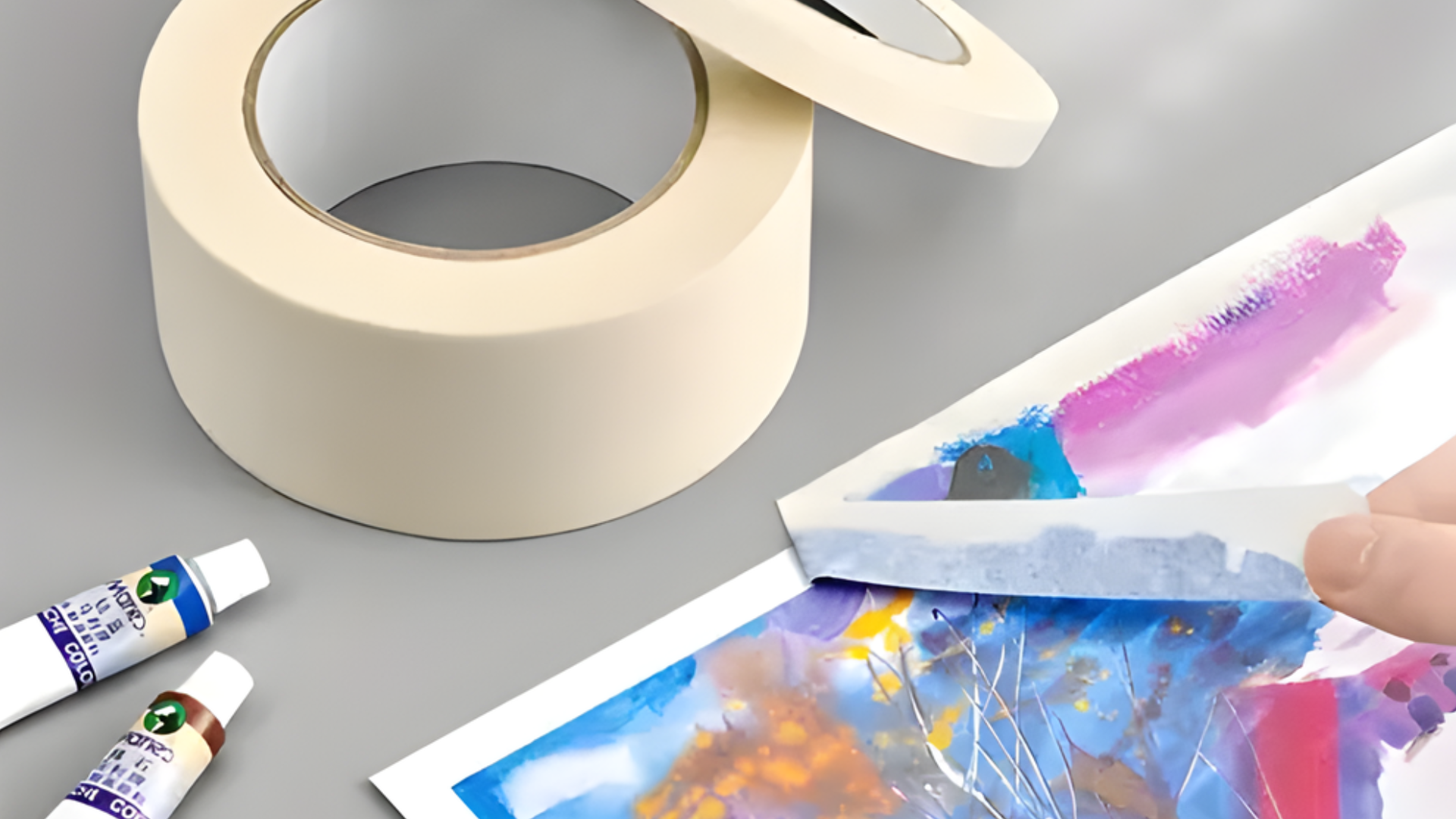
Selecting the best masking tape for oil painting means considering brand reliability, adhesion, and ease of removal. Here are some of the most recommended options you can rely on:
1. 3M Painter’s and Precision Tapes
3M is a globally trusted brand for painting and masking solutions, offering tapes that provide consistent adhesion without damaging delicate surfaces. These tapes are perfect for projects where you need precision for detailed work or coverage for broader tasks.
3M Green Precision Masking Tape (1/4 Inch)
This 1/4 inch tape is ideal when you need precise masking on sensitive surfaces. Its low-tack adhesive protects your canvas or materials, reducing waste and errors during high-precision operations.
Key Features:
Precision Adhesion: Sticks securely while allowing adjustments, helping you maintain quality standards and reduce rework on critical projects.
Clean Removal: You can remove the tape without residue, protecting surfaces and maintaining material integrity, which reduces replacement costs.
Flexible Width: Its 1/4 inch design supports detailed masking in small areas, enabling precise operations and consistent quality in production or creative workflows.
For operations requiring precision masking, this tape ensures control and repeatability, helping you meet quality standards efficiently.
3M Blue Painter’s Masking Tape (50mm)
This 50mm medium-width tape is versatile for both operational and artistic applications. You can use it to protect larger areas while maintaining precise edges, optimizing workflow efficiency and reducing labor time.
Key Features:
Medium Adhesion: Holds securely on surfaces without damage, minimizing rework and scrap in production environments.
Wide Coverage: Covers larger areas efficiently, reducing setup time and operational costs.
Clean Edges: Delivers crisp lines for consistent quality, ensuring compliance with visual or operational standards.
This tape is suitable for general operational masking tasks, supporting both detailed and high-volume workflows.
3M 3/4 Inch Painter’s Masking Tape
This 3/4 inch tape offers slightly more coverage while keeping precision. You can use it on smooth or textured canvas surfaces, enjoying strong adhesion without risking damage during removal.
Key Features:
Balanced Adhesion: Prevents seepage while preserving surfaces, reducing rework and operational delays.
Durable Construction: Resists lifting or tearing under repeated use, supporting long-duration or multi-layered projects efficiently.
Versatile Use: Effective for straight edges and curves, providing flexibility for diverse operational needs.
It’s ideal for operations requiring reliable, multi-purpose masking, ensuring consistent outcomes across tasks.
3M 1 Inch General Purpose Masking Tape
This 1-inch tape is ideal for larger masking areas and long edges. You can rely on its strong adhesion and clean removal to maintain operational efficiency and reduce material waste in daily tasks.
Key Features:
Strong Adhesion: Holds firmly on most surfaces, minimizing rework and ensuring consistent project quality.
Easy Removal: Removes cleanly without residue, reducing downtime and preserving materials for reuse.
Multiple Applications: Supports general masking or protective sheet placement, adding flexibility to your production workflows.
It’s a practical option for broader masking tasks, helping you maintain quality and efficiency across multiple operations.
3M White Masking Tape – Professional Grade
This professional-grade white tape delivers precision and reliable adhesion. You can use it on sensitive surfaces without risking marks, maintaining operational and quality standards.
Key Features:
Professional Adhesion: Prevents paint or coating bleed while keeping surfaces safe, reducing material loss.
Clean Appearance: White color enhances visibility, helping you track coverage and quality in your operations.
Durable Material: Maintains shape and integrity during use, ensuring consistent performance in production workflows.
This tape is perfect for meticulous work requiring accuracy, especially for layered or complex masking tasks in production or operational setups.
3M Automotive Masking Tape Performance
This tape, originally designed for automotive use, offers strong adhesion and handles tough masking tasks on textured or layered surfaces, helpful for high-demand operational environments.
Key Features:
High-Performance Adhesion: Stays firmly in place, preventing errors and reducing rework in complex projects.
Paint Compatibility: Works with oil-based coatings, ensuring precise edge protection in your processes.
Long-Lasting: Can remain applied for several days without residue, supporting extended operational workflows.
A professional-grade option for operations requiring durable, consistent masking across multiple tasks.
2. Professional and Heavy-Duty Options
For operational teams handling large-scale projects or textured surfaces, professional and heavy-duty tapes offer extra strength and reliability. They perform consistently under repeated use and extended workflows.
Heavy Duty Masking Tape: Professional Grade
This heavy-duty tape provides robust adhesion, making it ideal for large surfaces or multi-layered tasks. You can rely on it for clean, precise masking and operational consistency during intensive projects.
Key Features:
Strong Hold: Secures materials on smooth or textured surfaces, reducing errors and rework.
Durable Composition: Resists lifting or tearing under heavy use, ensuring consistent performance.
Easy Removal: Removes cleanly without residue, preserving surfaces and reducing material loss.
Perfect for large or detailed projects, helping you maintain quality, consistency, and efficiency.
Orange Professional Masking Tape with Precision Cutting
This orange tape features precision-cut edges for accurate masking. Its bright color improves visibility, helping your team achieve consistent placement and operational efficiency.
Key Features:
Precision Edge: Provides sharp, defined borders, minimizing errors and rework.
Consistent Adhesion: Stays securely in place, reducing workflow disruptions.
Multiple Widths: Available in different sizes to suit varied operational and production needs.
It’s ideal for tasks requiring precise placement, ensuring accuracy and efficiency in your workflow.
Black Crepe Masking Tape for Professional Painting
Black crepe tape is flexible and conforms to textured or uneven surfaces. You can use it to maintain precision and consistency in complex operational or production tasks.
Key Features:
Flexible Material: Conforms to curves and irregular surfaces, maintaining edge integrity during processes.
Strong Adhesion: Prevents seepage, ensuring reliable results and reducing waste.
Professional Finish: Holds up through multiple layers, supporting high-quality operations.
This tape is an excellent choice for complex surfaces, maintaining consistency and reducing errors in production or operational processes.
Brown Masking Tape Rolls
Brown masking tape is a cost-effective, dependable choice for everyday masking. You can use it to achieve consistent results while managing operational budgets.
Key Features:
Reliable Adhesion: Holds securely during use, reducing errors and material waste.
Versatile Application: Suitable for broad coverage or temporary masking in diverse workflows.
Easy Removal: Removes cleanly without residue, preserving materials and surfaces.
It’s a versatile, dependable option for everyday operational masking tasks, balancing performance and cost-effectiveness.
3. Specialty and Multi-Purpose Tapes
Specialty tapes offer versatility for operational and production applications beyond standard masking. They support layered masking, dual-surface tasks, and moisture-sensitive processes.
Double-Sided Masking Tapes
Double-sided tape enables you to mask two surfaces at once or temporarily mount components during complex operational tasks.
Key Features:
Dual Adhesion: Bonds multiple surfaces securely, minimizing movement and errors.
Clean Application: Allows repositioning for accurate placement without damaging materials.
Multi-Use: Supports layered masking or mixed-material processes efficiently.
This tape is perfect for layered or dual-surface masking in operational workflows, supporting efficiency and accuracy.
3M Waterproof Masking Tape
Waterproof masking tape handles operations involving moisture. You can use it in wet environments or for wash-sensitive tasks without compromising adhesion.
Key Features:
Water-Resistant: Remains secure in humid or wet conditions, supporting consistent results.
Strong Hold: Prevents seepage and ensures precise edges in operational workflows.
Clean Removal: Leaves no residue after exposure to moisture, reducing material loss.
A reliable option for operations in humid or wet environments, maintaining adhesion and workflow consistency.
Each tape delivers reliable performance while minimizing material damage, helping your operations maintain quality, efficiency, and cost control. In the next section, let’s look at the common pitfalls to avoid for flawless results.
Common Mistakes to Avoid When Masking Oil Paintings
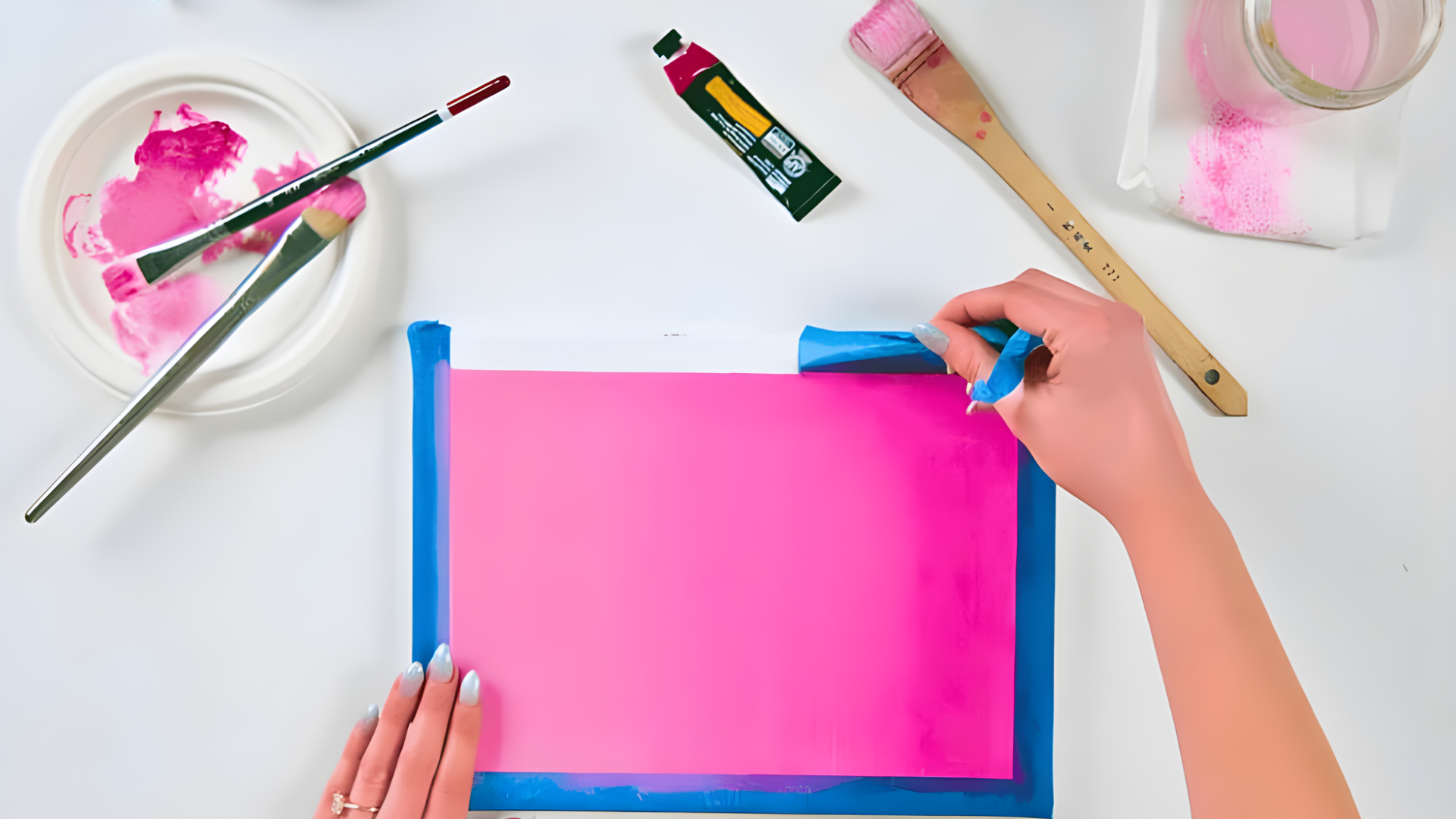
Even with the best masking tape, you can make mistakes that compromise your work. Here are the most common mistakes you should watch out for:
Peeling Tape Too Early: Removing tape while paint is still wet can compromise your output by causing smudges or defects. Wait until the paint is dry or partially dry to maintain clean, precise lines.
Using the Wrong Adhesion Level: High-tack tapes can damage your canvas or lift dried paint, while low-tack tapes may not hold edges properly, causing bleed. Selecting the right adhesion ensures consistency and reduces rework.
Neglecting Canvas Texture: Ignoring the surface texture can result in uneven lines or gaps. Make sure you choose tape that conforms correctly, maintaining quality standards and minimizing waste.
Applying Uneven Pressure: Inconsistent pressure allows paint to seep underneath, potentially causing defects. Apply firm, even pressure along all edges to maintain process reliability.
Ignoring Tape Quality: Cheaper or generic tapes may leave residue, lose stickiness, or tear easily, increasing rework and downtime. Investing in trusted brands ensures smooth operations and predictable results.
Being aware of these mistakes makes it easier to implement best practices for smooth, precise application.
Tips for Using Masking Tape Effectively in Oil Painting
To maximize efficiency and maintain quality, proper application and removal of masking tape is essential. Here are a few best practices to help you get the best results:
Plan Your Masking in Advance: Map out areas to protect before applying tape. Planning reduces errors, saves time, and ensures a consistent finish.
Apply Tape Smoothly: Press down gently but firmly to secure the tape. This prevents defects and ensures sharp, precise edges.
Use the Right Adhesion: Select tape adhesion based on surface type and paint thickness. Low-tack tape works best on delicate surfaces, while medium-tack tape suits standard applications; this reduces the risk of operational issues.
Remove Carefully: Peel tape slowly at a 45-degree angle once paint is dry or partially dry. This prevents product defects and maintains clean results.
Work in Sections if Needed: For larger surfaces, apply tape in smaller segments. This maintains accuracy, avoids misalignment, and ensures process consistency.
Following these practices ensures your masking process contributes to reliable, high-quality results and minimises operational inefficiencies.
How Alliance Packaging Group Can Enhance Your Artistic Projects?
With over 20 years of experience in packaging solutions, Alliance Packaging Group offers a wide selection of tapes and supplies that can make a significant difference in your projects.
Here’s how we can help you:
Extensive Range of Quality Tapes: With over 1,000 tape options, including top brands like 3M and IPG, you can select the ideal tape type, width, and adhesion level to suit your canvas and painting style.
Expert Guidance on Material Selection: Their experienced team understands the specific needs of artists and can recommend the right masking solutions to protect edges, prevent paint bleed, and achieve precise lines.
Fast, Just-in-Time Delivery: Designed to support time-sensitive projects, Alliance Packaging ensures your supplies are ready when you need them, helping you maintain your workflow without interruption.
Support for Creative Flexibility: From hand tools to stretch and shrink films, the full range of products allows you to experiment confidently with different techniques while keeping your materials safe and organized.
By choosing Alliance Packaging Group, artists can enhance their creative projects with reliable and effective masking solutions.
Final Thoughts
Choosing the best masking tape for oil painting ensures clean, professional results. Consider surface type, paint thickness, and the precision required when selecting tape.
Experimenting with different types and brands helps you find the optimal solution for your operational needs. For professionals seeking reliable, high-quality tapes and supplies, Alliance Packaging Group offers options tailored to your needs.
For your next project, contact us today to explore our wide selection of tapes and ensure optimal performance across your production or packaging lines.
FAQs
How is artist masking tape different from regular painter’s tape?
Artist masking tape is designed for delicate surfaces and precise work, offering clean edges without tearing or lifting paint. Regular painter’s tape is usually stronger, meant for walls, and may damage canvas or cause paint bleed, making it less suitable for fine art projects.
Should I apply masking tape before or after the underpainting stage?
Masking tape is best applied after your canvas is primed and ready, but before adding underpainting. This ensures crisp edges and protects areas from unwanted paint, allowing precise layering and maintaining clean lines throughout the painting process.
Which masking tape provides clean edges without bleeding under oil paint?
Low- to medium-tack artist masking tapes are ideal for oil painting. They adhere well without damaging the canvas or gesso, ensuring sharp, clean edges and preventing paint from bleeding underneath. Brands like 3M Green or Blue Precision tapes are commonly recommended.
Is low-tack tape better for use on gessoed or primed canvases?
Yes, low-tack tape is gentler on gessoed or primed surfaces, reducing the risk of peeling or tearing the paint layer. It provides secure adhesion while allowing easy removal, making it the preferred choice for delicate or finished surfaces.
How long can masking tape safely stay on canvas before leaving residue?
Masking tape can generally stay on a primed canvas for 1–7 days. Beyond this, the adhesive may start to leave residue or pull paint. Always remove tape slowly and carefully to protect the canvas and preserve clean edges.