Introduction
In crowded retail environments — both physical and online — a product's packaging is often the first and sometimes only chance to make an impression. Research reveals that 72% of consumers agree packaging design influences their purchasing decision, with shoppers making visual judgments in as little as 13 seconds in-store.
This article covers the design elements, real-world examples, and practical strategies that make retail packaging work — across every category and budget.
Key Takeaways
- Packaging shapes purchase decisions before a single word is read
- The best designs balance brand identity, customer appeal, and product protection
- Shape, color, material, typography, and finish each send distinct psychological signals
- Smart material and print choices can deliver premium results even on a tight production budget
Why Creative Retail Packaging Is a Business Asset
The Silent Salesperson Effect
Packaging works around the clock on shelves and in shipping boxes, influencing perception before any human interaction occurs. This "silent salesperson" concept translates directly to measurable business outcomes: 64% of consumers try a new product because the packaging catches their eye, and 41% continue purchasing because they prefer its design.
The numbers go further. Research shows that 52% of consumers have switched brands as a direct result of new packaging design — a reminder that design alone can shift market share without touching the product inside.
Building Recognition Through Consistency
Consistent design elements — color, logo placement, typography — create the visual familiarity that turns first-time buyers into repeat customers. Walmart's Great Value line demonstrates this principle: the 2009 rebrand used consistent food photography against white backgrounds across 100+ categories, creating a cohesive visual identity that made the private label easier to spot on shelves and competitive with national brands.
The Unboxing Marketing Channel
Unboxing content now functions as a self-sustaining marketing channel. In 2023, unboxing videos generated 25 billion views on YouTube, and TikTok unboxing videos drive a 128% increase in purchase intent. Meanwhile, 61% of consumers say they get more excited about a delivery when the outer packaging is branded — turning your box or mailer into organic, user-generated advertising.
Premium Packaging Justifies Higher Prices
Well-designed packaging signals quality and makes consumers comfortable with higher price points. Key findings from a University of Wisconsin study:
- Willingness to pay increases by 30% with premium packaging
- Expected retail price rises by 45% compared to economy packaging
- Perceived prestige rating jumps 56% when premium materials are used
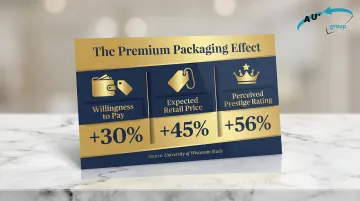
For brands selling on perceived value — beauty, specialty food, lifestyle products — packaging isn't a cost center. It's a pricing lever.
Key Design Elements That Make Retail Packaging Stand Out
Shape and Structure
Standard box shapes are functional, but unconventional structures create shelf differentiation:
- Hexagonal boxes and rigid cylinders signal luxury or cosmetics
- Custom die-cut forms communicate brand personality and product category
- Rigid cubes position premium electronics
Shape choices involve trade-offs between distinctiveness and production cost. While unique structures capture attention, they typically require higher minimum order quantities and custom tooling investments.
Color Psychology
Color influences between 50% and 85% of product purchase decisions, making it one of the most powerful design levers available:
- Earthy tones communicate eco-friendly and natural brand values
- Bold saturated colors appeal to youth-oriented products
- Monochrome/minimal palettes signal luxury and sophistication
- Bright fluorescents create high visibility for impulse categories
Color selection doesn't happen in a vacuum — how a package reads against store shelving and competing products directly affects whether it gets picked up.
Typography and Messaging
Font choice, hierarchy, and copy volume all signal brand personality. A hand-lettered script conveys artisanal craft, while clean sans-serif fonts communicate modernity. Research shows that 72% of consumers feel typography influences readability of instructions, and fonts draw the attention of 47% of consumers.
Scannable, clear messaging consistently outperforms cluttered text at shelf — less copy, more impact.
Material and Finish
The tactile experience shapes perceived value:
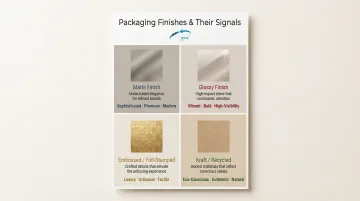
- Matte finishes feel premium and sophisticated
- Glossy options pop on shelf with vibrant, saturated color
- Embossed or foil-stamped elements add luxury cues
- Kraft and recycled materials signal environmental responsibility
Touch can be a stronger purchase driver than visual appeal alone — premium finishes like foil and embossing measurably increase consumer engagement and perceived product value.
Material choice also carries functional implications — durability, moisture resistance, and shipping weight all factor into the decision.
Transparency and Product Visibility
Packaging with windows, clear panels, or open designs lets the product speak for itself. This works particularly well when the product is visually compelling — artisan foods, handcrafted soaps, colorful accessories.
Transparency removes guesswork about what's inside, making it a direct trust signal at the point of purchase.
Creative Retail Packaging Ideas
Four distinct approaches dominate creative retail packaging today — each suited to different brand personalities, product categories, and consumer expectations. Understanding where each fits helps you make deliberate design choices rather than default ones.
Eco-Friendly and Sustainable Packaging
Sustainable packaging aligns brand values with consumer environmental concerns. Recycled paperboard, kraft materials, biodegradable plastics, and sugarcane-based packaging all signal environmental commitment without sacrificing shelf presence.
- Unbleached cardboard with minimal ink printing
- Seed-embedded packaging that can be planted after use
- Reusable tins extending pack life beyond original purpose
- Curbside recyclable materials with clear disposal instructions
Eco-packaging doesn't have to look plain. Brands like nuud (using sugarcane bioplastic tubes) and Kinder Beauty demonstrate that sustainable materials can incorporate bold print and elegant design while communicating environmental values.
Minimalist and Luxe Packaging
The "less is more" principle creates an aura of exclusivity through:
- Clean white space with restrained color palettes
- High-quality materials with precise typography
- Subtle textures and premium finishes
- Strategic use of negative space
Brands like Apple and Target's Casaluna bedding line use minimal packaging to justify premium positioning and differentiate from category clutter. In beauty, wellness, and lifestyle — where the brand story centers on sophistication — restraint often does more work than ornamentation.
Bold, Playful, and Interactive Packaging
Vibrant colors, unexpected shapes, humor, and interactive elements create immediate shelf impact:
- QR codes linking to exclusive content
- Augmented reality triggers for digital experiences
- Scratch-off reveals or hidden messages
- Collectible packaging designs
Fossil's collectible tin packaging and Pizza Socks Box (where the pack mimics a pizza delivery box) demonstrate how packaging becomes as much of the product experience as the item inside. For gift products, novelty items, and impulse buys, the packaging is often the first thing a buyer notices — and sometimes the reason they reach for it.
Storytelling and Heritage Packaging
Packaging communicates brand origin, craftsmanship, and values through specific design cues:
- Vintage typography honoring brand history
- Illustrated scenes depicting product origins
- Handwritten-style text suggesting artisanal quality
- Earthy color palettes evoking authenticity
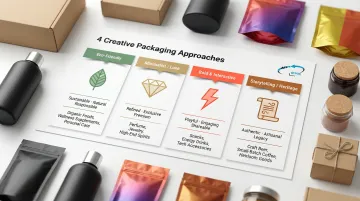
Brands like J.R. Liggett's (vintage design honoring 40+ years of history) and Silver Market Co. (batch numbers emphasizing handmade quality) build emotional connection with consumers who value provenance and compelling brand stories.
Inspiring Brand Examples to Spark Your Creativity
Each of these brands treated packaging as a core business decision — not a finishing touch.
- Method uses 100% post-consumer recycled plastic and holds Cradle to Cradle certification across more than 100 products, showing that eco-friendly packaging can look and feel high-end on shelf.
- Fossil has packaged watches in tin boxes with 1950s-inspired graphics since 1989. The brand has said "the tin is almost as important as the watch we put inside" — and a secondary collectible market for the packaging itself backs that up.
- Apple moved to 100% fiber-based paper packaging, eliminating plastic without sacrificing the unboxing experience the brand is known for. Box structure and material selection are both deliberate.
- Illume Candles uses full-wrap labels on textured stock with metallic details for its "Vanity Tins," building seasonal narratives and leaning on tin's recyclability as part of the story.
- Talmo Cables turns commodity tech into something gift-worthy through distinctive shape-forward packaging that keeps cables tangle-free and positions the product alongside fashion and home goods rather than generic electronics.
What connects all five: packaging design built around brand identity, the target customer, and the moment of encounter. Before designing your own packaging, ask two questions — "What does my customer feel when they see this?" and "Does this packaging reflect who we are and what we're selling?"
Strategies for Executing Creative Packaging on Any Budget
Start with Your Brand Brief, Not Your Budget
Before sourcing materials or briefing a designer, define:
- Brand personality and values
- Target customer demographics and psychographics
- Price point and competitive positioning
- The one emotion you want packaging to evoke
Clarity on these upstream decisions prevents costly design revisions and ensures coherence across the product line.
Prioritize High-Impact, Lower-Cost Upgrades
Brands don't need to redesign everything to make an impact. Strategic additions create significant perceived value:
- Custom tissue paper with logo or pattern
- Branded tape in signature colors
- Inner box printing with care messages
- Matte vs. glossy finish swaps
Even simple corrugated shipping boxes can be elevated through these touches. Sourcing from a single-source supplier like Alliance Packaging Group simplifies this process — with over 10,000 products in stock and 1,000+ box sizes available for immediate shipment, brands can find the right materials at factory-direct pricing without overcomplicating their supply chain.
Plan for Scalability
Small-batch custom packaging often carries higher per-unit costs, so design with growth in mind:
- Select structures and materials that can be ordered in increasing volumes
- Consider lead times for custom elements
- Build relationships with reliable packaging suppliers
- Implement inventory management systems for packaging materials
Alliance Packaging Group's nationwide just-in-time delivery programs support this scalability, allowing brands to maintain optimal inventory levels while reducing storage costs as they grow.
Leverage Sustainable Materials Strategically
Once procurement processes are stable, sustainable material choices become easier to act on — and the business case is clear. 90% of consumers say they're more likely to purchase from brands using eco-friendly packaging, and products with sustainability claims have seen 28% cumulative growth over five years. While some sustainable materials carry slight premiums, the cost gap has largely closed as demand has grown.
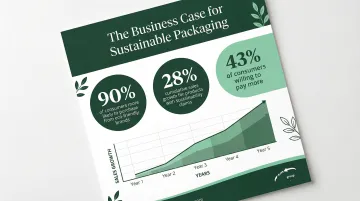
Brands typically recoup that investment through stronger customer retention and social media visibility. The return is especially pronounced among younger demographics and higher-income earners, who consistently show the greatest willingness to pay for sustainable packaging.
Frequently Asked Questions
Frequently Asked Questions
What makes retail packaging "creative"?
Creative packaging goes beyond appearance — it strategically combines shape, color, material, and messaging to reflect brand identity and appeal to target customers. The goal is to trigger the right emotional response at the point of sale before a shopper reads a single word of product copy.
How does packaging design affect consumer buying decisions?
Packaging influences 72% of purchasing decisions, shaping perceived quality, price justification, and brand recognition before consumers read product copy. For gift purchases, that figure climbs to 81%.
What are the most effective packaging design trends in retail right now?
Current trends include sustainable materials, minimalist luxury aesthetics, and bold colors paired with interactive elements like QR codes. Packaging that performs on physical shelves and doubles as an unboxing experience for e-commerce is especially in demand.
What packaging materials are best for retail products?
Material choice depends on product type, brand positioning, and logistics requirements. Paperboard and kraft materials work for most retail and e-commerce brands, while rigid boxes, tins, and glass suit premium or luxury products. Sustainability certifications and recyclability are increasingly important purchase criteria.
How can small businesses create premium-looking packaging affordably?
Matte finishes, tissue paper, branded inserts, and consistent typography on standard box sizes all elevate perceived quality without custom structural tooling costs. Sourcing from suppliers with flexible order minimums keeps premium aesthetics within reach for smaller budgets.
Is eco-friendly packaging more expensive than traditional options?
Some sustainable materials carry a slight premium, but the cost gap has narrowed as supply has scaled. Brands typically recoup the difference through customer loyalty and organic social media exposure — 43% of consumers say they'll pay more for sustainable packaging.