

Shipping artwork can be stressful—especially when you consider the time, value, and fragility involved. Proper packaging artwork techniques dramatically reduce the risk of scratches, dents, or environmental damage.
Inadequate packaging not only risks the integrity of your artwork but can also increase shipping costs due to insurance claims or replacements. By adopting professional packaging artwork strategies, you can safeguard your pieces, reduce risk, and ensure they arrive in perfect condition.
With the artwork packaging and shipping service market projected to grow by USD 6.8 billion by 2033 at a CAGR of 5.4%, investing in proper packaging solutions has become more crucial than ever. This guide will walk you through every step of the process, helping you make informed decisions while shipping artwork safely.
Key Highlights:
Proper packing helps you preserve the value and condition of artwork while minimizing the risk of damage during transit.
Understanding the type, fragility, and value of your artwork allows you to choose the right protective materials and handling methods.
Using quality packing materials such as bubble wrap, foam inserts, acid-free paper, and sturdy boxes ensures your pieces are fully protected.
Choosing the right shipping method and avoiding common mistakes helps you safeguard your artwork throughout its journey.
Why Proper Art Packing and Shipping Matters?
Proper packing and shipping of artwork goes beyond simply wrapping a piece; it protects its value, preserves its condition, and ensures it reaches its destination safely.
Here’s why it matters:
Preserves Artwork Value: By packing your artwork correctly, you prevent damage from impact, vibration, or environmental factors, helping your pieces retain both financial and aesthetic value.
Reduces Risk During Transit: Fragile or high-value pieces can be mishandled, but with professional packing, you minimize the chances of breakage or deterioration.
Minimize Shipping Costs: Well-planned packaging helps you reduce unnecessary weight and space, saving on shipping expenses while keeping your artwork secure.
Professional Presentation: When you pack artwork securely, you demonstrate attention to detail and care, enhancing trust and credibility with galleries, clients, and internal stakeholders.
In the following section, let’s examine how identifying your artwork’s unique characteristics shapes the right packing approach.
Understanding Your Artwork's Needs
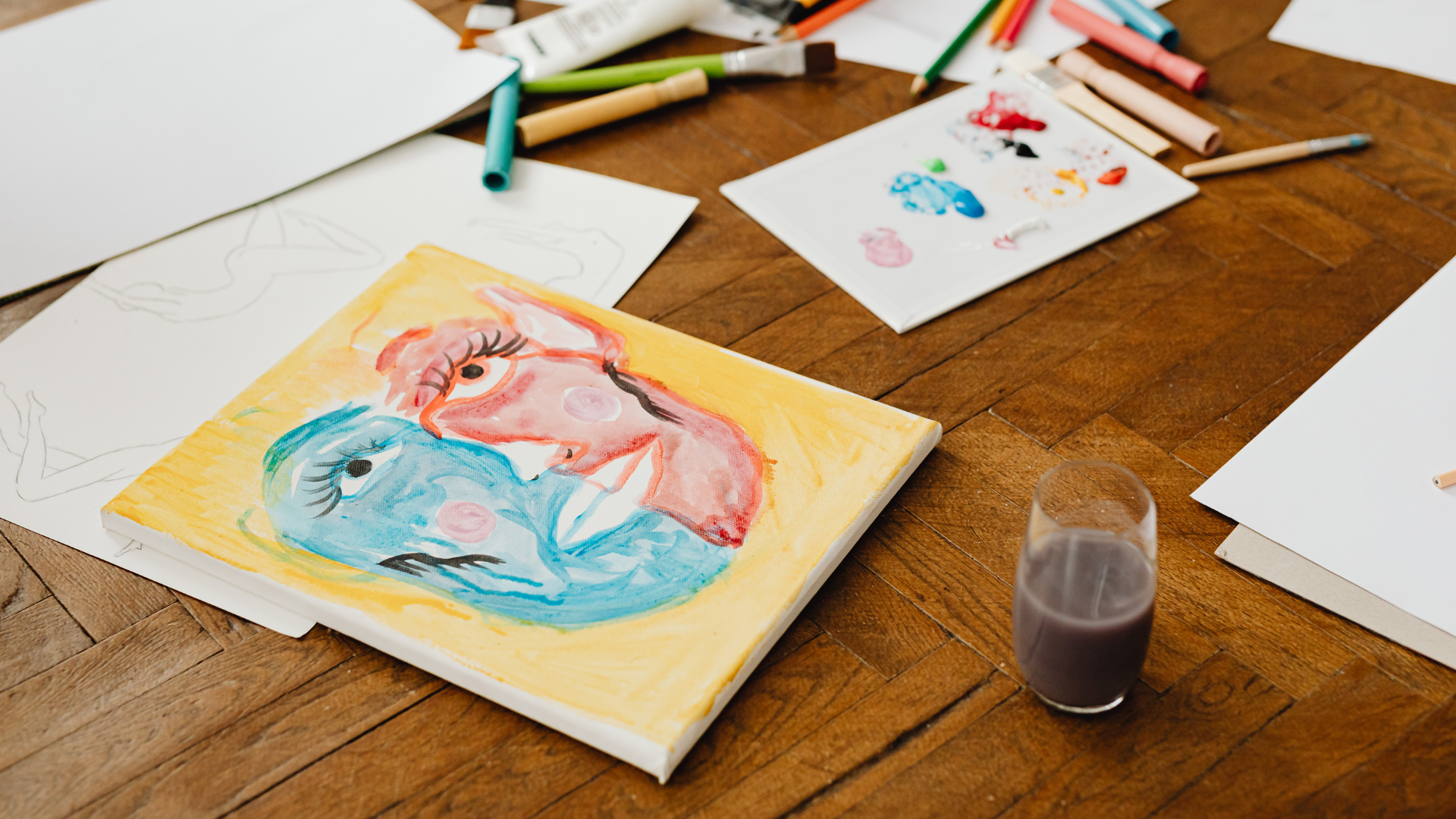
Every artwork is unique, and understanding its specific requirements is the first step in designing a protective packing strategy. Knowing the materials, fragility, and value helps you choose suitable packaging and handling methods. This evaluation step is essential not only for artists but also for logistics teams, galleries, and warehouses preparing artwork for domestic or international shipping.
Assessing the Type of Artwork
The type of artwork dictates how it should be handled and packed. Different forms demand distinct packing approaches. Identifying the type helps you select the necessary materials and protection methods.
Key Considerations:
Paintings & Framed Art: Require sturdy corner protection, bubble wrap, and boxes or custom crates to prevent bending or punctures.
Sculptures & 3D Art: Need custom foam inserts or molded supports to avoid movement and shocks during transit.
Glasswork & Ceramics: Must be individually wrapped, cushioned with foam or packing peanuts, and ideally packed in rigid boxes to prevent breakage.
Textiles & Tapestries: Roll them with acid-free paper and use secure packaging tubes to avoid creasing or fabric damage.
By categorizing your artwork properly, you can choose the materials and techniques that will provide optimal protection and avoid unnecessary damage.
Evaluating Fragility and Value
Fragility and value go hand in hand when planning your shipping strategy. Even fragile pieces with low market value need careful handling, and highly valuable works may require insurance, climate control, and special documentation.
Key Considerations:
Assess Fragility: Identify delicate components like glass, thin wood, or soft canvas. Use extra padding and foam inserts to protect these areas from shocks and vibrations.
Consider Monetary and Sentimental Value: For valuable artwork, opt for professional crating, white-glove delivery, and additional insurance to safeguard against loss or damage.
Environmental Sensitivity: If your artwork is sensitive to humidity or temperature, ensure climate-controlled shipping.
Movement Prevention: Regardless of fragility, all high-value pieces should be immobilized within their packaging to avoid internal shifting and potential damage.
Evaluating fragility and value allows you to prioritize safety, choose the right materials, and prevent costly mistakes during shipping. Next, let’s explore the key materials that provide reliable protection for your pieces.
Essential Packing Materials for Packaging Artwork Safely
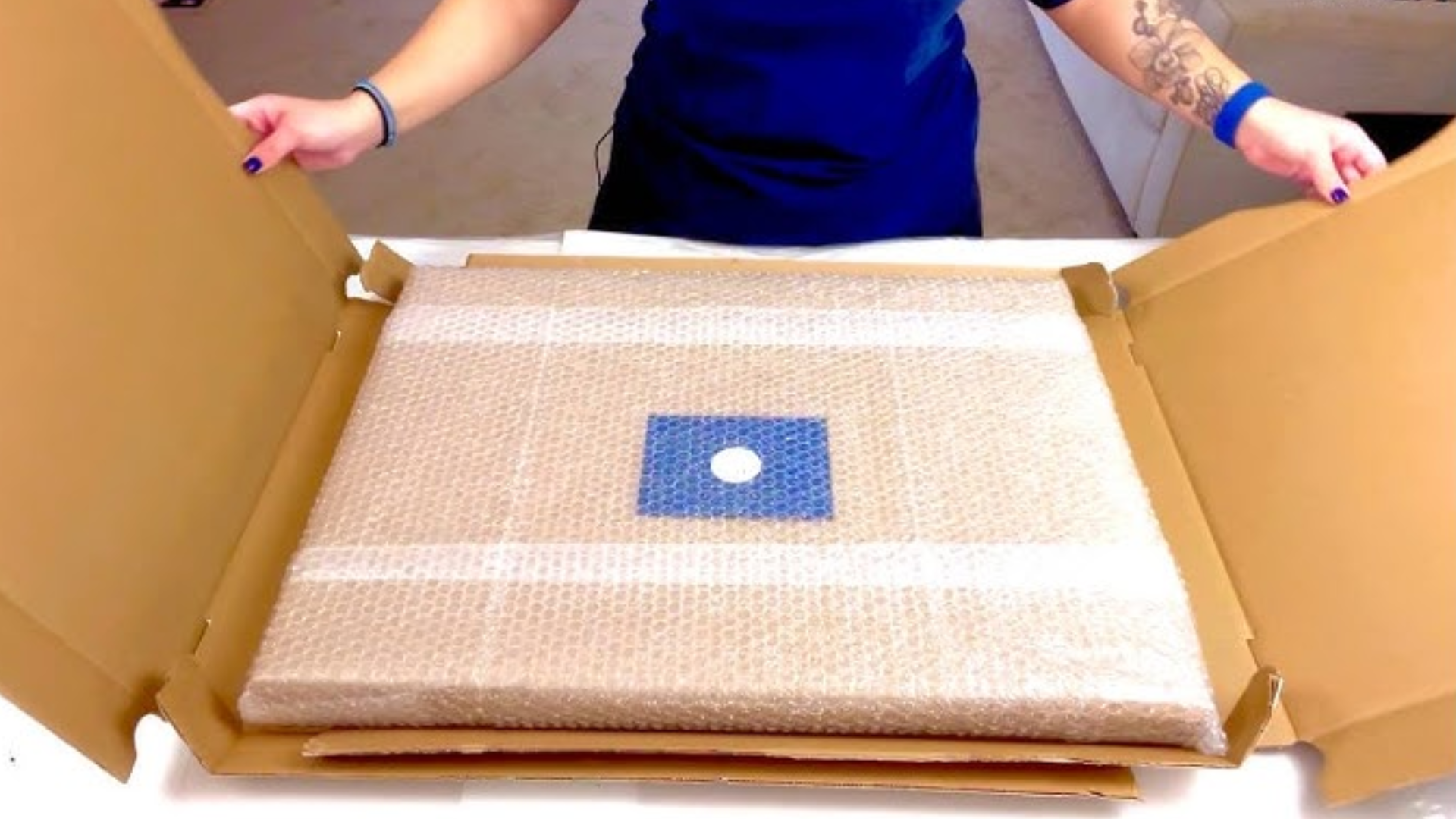
Choosing the right materials is crucial for protecting your artwork during transit. Using high-quality packing supplies ensures your pieces arrive safely and maintain their value. Here’s a closer look at what you need:
Glassine or Acid-Free Paper
Use glassine or acid-free paper to cover the surface of your artwork. They protect against dust, moisture, and abrasions without leaving any residue. This layer is especially important for delicate paintings, prints, or drawings, where direct contact with bubble wrap or other materials could scratch your artwork.
Bubble Wrap
Wrap your artwork in multiple layers of bubble wrap to cushion it and absorb shocks, protecting corners, edges, and surfaces from bumps during handling. For extra fragile pieces, use anti-static bubble wrap to prevent any chemical reactions with sensitive materials.
Foam Sheets or Corner Protectors
Shield edges and corners with foam sheets or corner protectors to prevent compression and accidental impacts. They are particularly important for framed artwork, where corners are vulnerable to dents or cracks. Custom-cut foam inserts can also secure sculptures or irregularly shaped pieces.
Double-Walled Cardboard Boxes
Choose double-walled cardboard boxes that provide structural strength to withstand stacking and rough handling. Make sure the box size allows at least two inches of padding on all sides, creating a buffer zone that absorbs shocks during transit. Using new or high-quality boxes reduces the risk of punctures or collapse.
Packing Tape
Seal boxes securely with high-quality packing tape and reinforce all flaps to prevent accidental opening. Apply tape along all seams and edges. Brands like 3M or IPG offer strong adhesion and reliability, ensuring your packaging stays intact throughout shipping.
With the right materials on hand, let’s walk through a step-by-step process to pack your artwork securely.
Step-by-Step Packaging Artwork Process for Safe Shipping
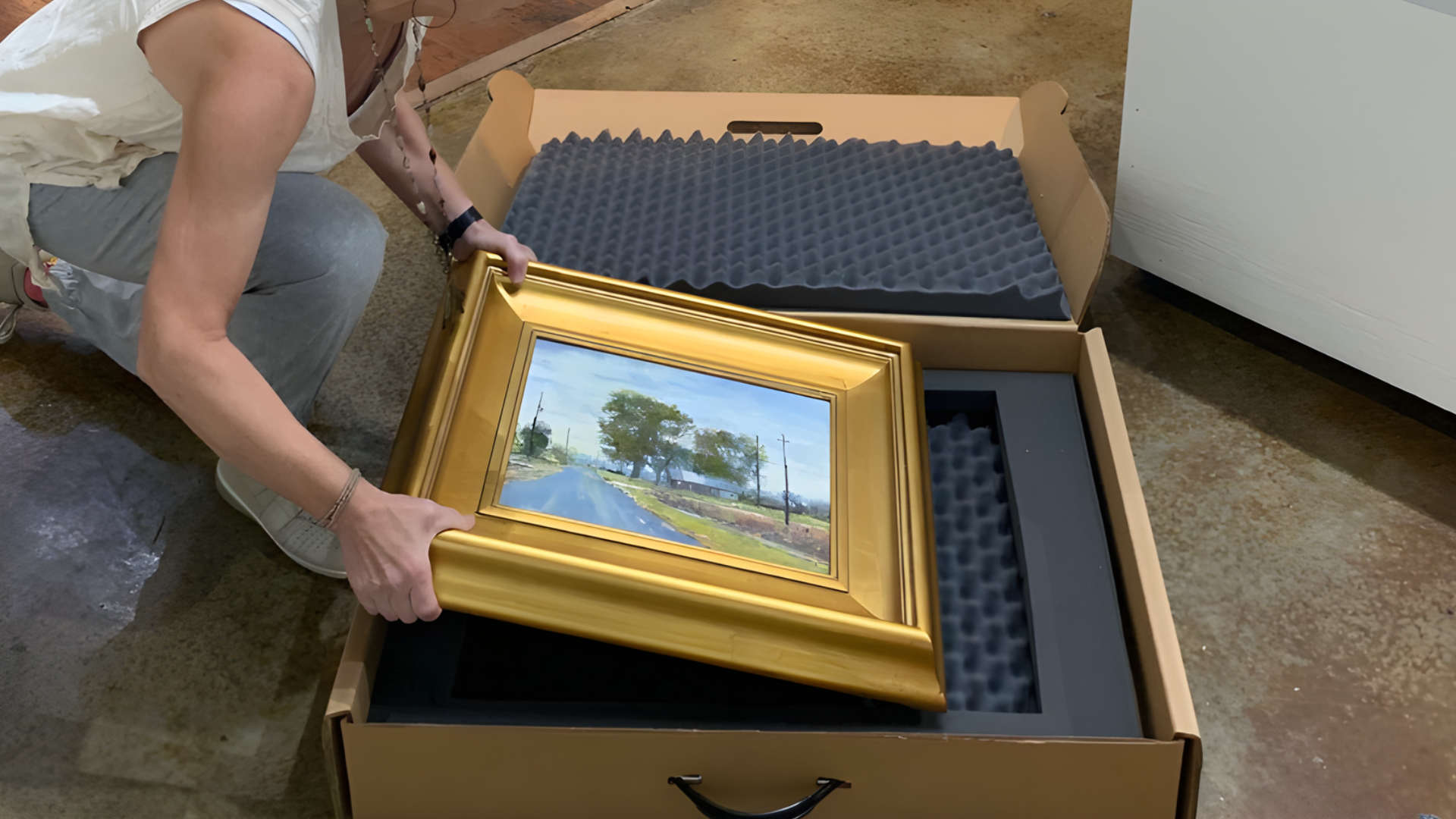
Packing artwork properly requires you to pay careful attention to detail at each stage. Here’s a step-by-step approach to ensure your pieces are fully protected during transit.
Step 1: Clean and Prepare the Artwork
Before packing, gently remove any dust, dirt, or debris from your artwork’s surface. For paintings and prints, use a soft, dry cloth or a brush specifically designed for artwork.
Avoid using water or cleaning solutions unless recommended by a professional conservator. By cleaning your artwork, you prevent particles from scratching or staining it during packing.
Step 2: Wrap the Artwork in Protective Materials
Once cleaned, wrap your artwork in protective layers. Start with glassine or acid-free paper to shield the surface from moisture and abrasion. Then, add one or two layers of bubble wrap for cushioning.
Make sure the wrap covers the entire surface and edges, and secure it with tape that won’t leave residue. This creates a protective barrier that shields your artwork from shocks and minor impacts during shipping.
Step 3: Secure the Wrapped Artwork
The corners and edges of artwork are particularly vulnerable to damage. You should apply foam corner protectors, custom-cut cardboard, or reinforced edge guards to safeguard these areas.
For highly valuable or fragile pieces, consider double-protecting the corners with both foam and cardboard layers. Protect the corners properly to prevent crushing or denting.
Step 4: Prepare the Box
Choose a box that’s slightly larger than your artwork so you have room for padding on all sides. Double-walled corrugated cardboard boxes provide additional strength for heavier or larger pieces.
Line the bottom of the box with cushioning material, such as packing peanuts, foam sheets, or crumpled acid-free paper, to create a protective base for your artwork.
Step 5: Place the Artwork in the Box
Carefully place your wrapped artwork in the center of the prepared box. Fill all remaining space around the piece with additional padding to prevent movement.
Make sure the artwork is snug but not compressed, as too much pressure can damage delicate surfaces. This step is essential to maintain stability and absorb shocks during handling.
Step 6: Seal the Box Securely
Close the box and reinforce all seams with strong packing tape. Use multiple layers of tape along the top, bottom, and edges to enhance structural integrity.
Seal the box properly to make sure it stays closed during transit and avoids accidental opening or exposure to environmental factors.
Step 7: Label the Box Clearly
Make sure you clearly label the box with "FRAGILE" and "THIS SIDE UP" so handlers know the contents are delicate. Additionally, include both the sender’s and recipient’s information, and consider adding a handling instruction sheet inside the box for added guidance.
Accurately labeling your box helps prevent mishandling and ensures carriers treat your shipment with care.
Next, let’s discuss selecting a shipping method that matches your artwork’s needs and value.
How to Choose the Right Shipping Method?
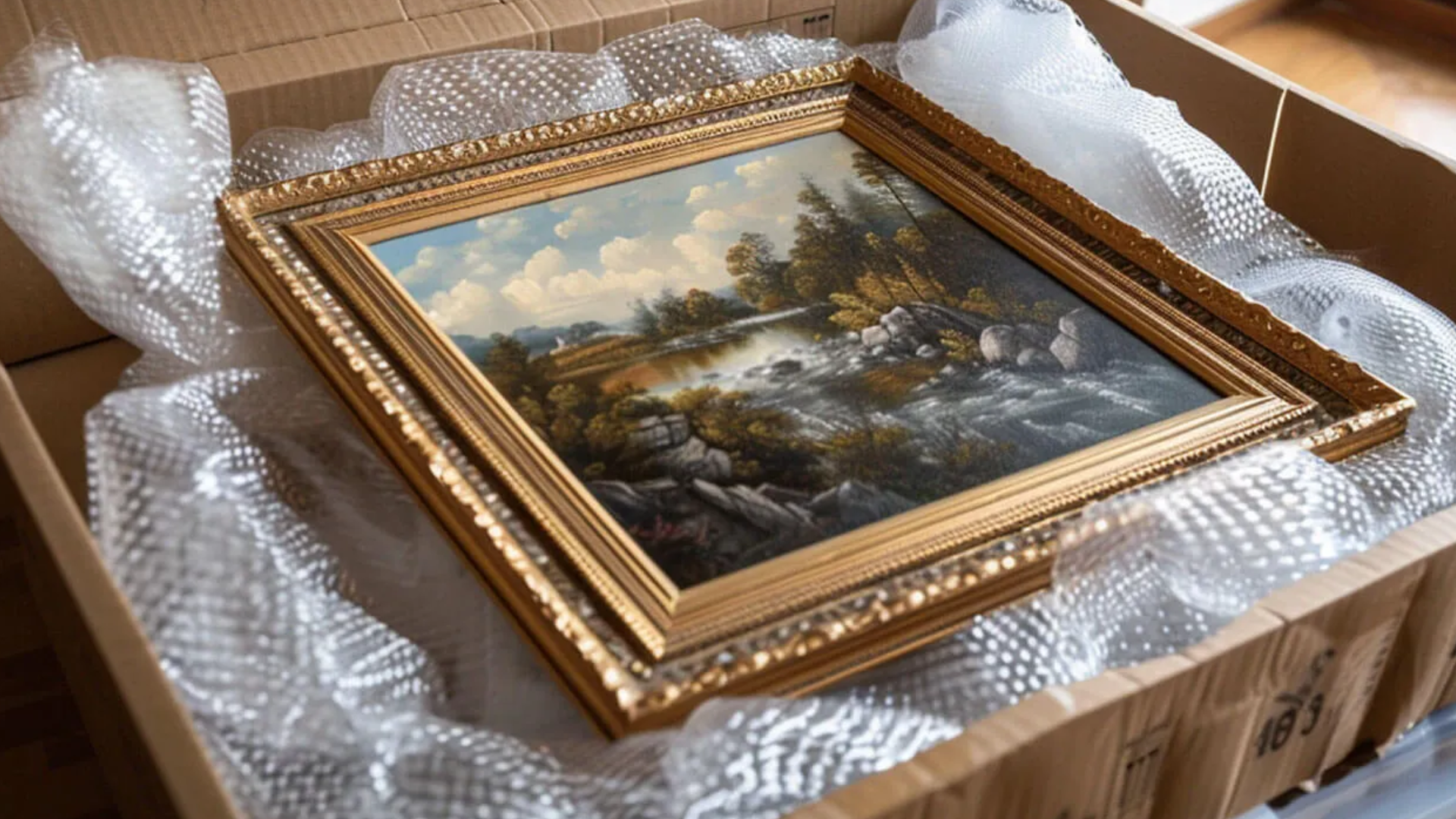
Selecting the correct shipping method is essential to ensure your artwork arrives safely and on time. The choice depends on the artwork’s size, fragility, value, and destination.
Here’s a breakdown of common options:
Standard Ground Shipping
Ground shipping is ideal for smaller, less fragile pieces that do not require urgent delivery. It is typically more cost-effective and widely available across the United States.
Since ground shipping may involve multiple handling points, make sure you use adequate protective materials such as double-walled boxes, bubble wrap, and foam inserts to safeguard your artwork throughout transit.
Expedited Shipping
Expedited shipping offers faster delivery, which is essential for time-sensitive shipments such as gallery exhibits, art auctions, or urgent client orders. You can reduce the time your artwork spends in transit, lowering the risk of environmental exposure or handling damage.
For expedited shipments, add additional padding with high-density foam and reinforced packaging to provide extra protection against shocks and vibrations during rapid transport.
White Glove Service
White glove shipping is a premium service designed for high-value, delicate, or oversized artwork. This method includes specialized handling, inside delivery, setup, and sometimes climate-controlled transportation.
White glove providers often use custom crates, reinforced padding, and shock-absorbing materials so that your sculptures, large paintings, and fragile installations are transported with maximum care. Choosing this service is ideal if you prioritize safety and professional handling for your collection.
International Shipping Considerations
If your artwork is traveling across borders, you need to consider customs documentation, insurance, and adherence to international shipping regulations. Using reinforced crates, humidity-resistant materials, and temperature-stable packaging helps protect your artwork from environmental fluctuations during long-distance transit.
Consulting a professional packaging provider can help you determine the best shipping method for your specific needs. In the next section, let's discuss the common errors you should avoid while shipping your artwork.
Common Mistakes to Avoid When Shipping Artwork
Even experienced shippers can make errors that compromise artwork integrity. Here are some common mistakes you should avoid:
Using Inadequate Packing Materials: Choosing low-quality or insufficient materials leaves your artwork vulnerable to damage during transit. Make sure you always use sturdy boxes, quality bubble wrap, foam inserts, and appropriate tapes to provide proper cushioning and protection.
Underestimating Fragility and Value: Failing to assess how delicate or valuable your artwork is can lead to improper handling or insufficient protection. Evaluate your artwork carefully to determine the level of care, padding, and shipping method you need.
Overpacking or Underpacking: Too little padding allows movement inside the package, while overpacking can put pressure on your artwork. Both increase the risk of damage, so pack your pieces carefully.
Failing to Label Packages Clearly: Not labeling your packages as fragile or providing handling instructions increases the risk of rough treatment during shipping. Make sure you label all packages clearly so carriers handle them appropriately.
Skipping Insurance and Documentation: Shipping valuable artwork without insurance or proper documentation can result in financial loss if damage occurs. Always secure insurance and keep detailed records to protect yourself.
Avoiding these common mistakes helps you achieve a smoother shipping process and better protection for your artwork.
How Alliance Packaging Group Enhances Your Shipping Experience?
Alliance Packaging Group has over 20 years of experience providing tailored packaging solutions for manufacturers and distributors across the U.S. Their expertise in materials, equipment, and specialized shipping products ensures that your artwork is packaged with precision and care.
Wide Range of Quality Materials: From tapes, strapping, and shrink/stretch films to boxes and crates, Alliance Packaging offers a full range of high-quality supplies to secure your artwork effectively.
Custom Packaging Solutions: For fragile, high-value, or uniquely shaped pieces, they offer custom foam inserts, crating, and conveyor solutions to ensure maximum protection and stability.
Fast and Reliable Service: With over 10,000 items ready for same-day shipping, they support just-in-time supply chains, helping minimize storage costs and meet tight delivery schedules.
Expert Guidance and Support: Their team helps procurement and operations managers select the right materials, packaging strategies, and shipping methods, reducing risks and saving time while preserving artwork integrity.
Partnering with professionals like Alliance Packaging Group adds a layer of expertise and reliability to artwork shipping.
Conclusion
Shipping artwork successfully requires careful planning, the right materials, and professional guidance. By assessing your artwork’s fragility and value, choosing proper packing techniques, and avoiding common mistakes, you can safeguard your artwork and preserve its condition.
Investing in quality packaging artwork solutions helps maintain value, reduce returns, and enhance customer trust.For tailored solutions and expert advice, reach out to Alliance Packaging Group to enhance your shipping experience.
FAQs
Is it better to use a courier or an art shipping specialist?
For valuable or fragile artwork, an art shipping specialist is usually safer. They have experience with packing, handling, and insurance tailored for art. Standard couriers may be faster or cheaper, but often lack the expertise to protect delicate pieces adequately.
How can I ensure valuable or original artwork during shipment?
Use custom packaging, acid-free materials, and protective padding. Insure your artwork for its full value, document its condition with photos, and choose a trusted art shipping specialist. Clear labeling and climate-controlled transport also reduce the risk of damage or loss.
How early should I schedule a pickup for delicate artwork?
Schedule pickups at least 3–7 days in advance to allow for custom packaging and proper handling. For international shipments or highly valuable pieces, booking even earlier ensures sufficient time for documentation, insurance, and coordination with specialized carriers.
What customs regulations apply when exporting artwork?
Exporting artwork often requires specific permits, customs forms, and documentation proving ownership. Regulations differ from country to country and may impact items made from restricted materials such as ivory, antiques, or culturally significant objects. Always review the relevant customs guidelines and provide accurate paperwork to avoid delays or penalties.
How can I track my artwork while it’s being shipped?
Most art shipping specialists and couriers provide tracking through online portals or direct updates. For high-value pieces, some offer GPS-enabled or temperature-monitored tracking. Keep your shipment reference handy and regularly check updates until delivery is confirmed.