Shipping goods efficiently and safely is crucial to any successful supply chain. One of the biggest challenges businesses face is ensuring that their products arrive safely at their destination in perfect condition. Waterproof packaging offers a reliable solution by protecting shipments from moisture, spills, and environmental factors during transit.
With the global waterproof packaging market expected to reach USD 1,046.5 billion by 2035, businesses are increasingly recognizing its value. At the same time, the shift toward sustainability is driving the adoption of eco-friendly materials that reduce environmental impact without compromising protection.
By combining waterproof solutions with sustainable materials, you can make your packaging both functional and responsible. This blog explores various waterproof packaging options designed for sustainable shipping, the materials used, and best practices for maintaining them.
Key Takeaways:
Waterproof packaging helps keep your products safe from moisture and damage during transit, protecting your sensitive items effectively.
Eco-friendly materials like plant-based plastics, mycelium, seaweed, and bagasse give you sustainable, water-resistant alternatives.
Proper storage, correct application, inspections, and team training ensure your waterproof packaging performs reliably and lasts longer.
Solutions like wax-coated cardboard, compostable mailers, hemp packaging, and water-activated tapes balance protection with environmental responsibility.
What is Waterproof Packaging?
Waterproof packaging refers to materials and solutions designed to resist water, moisture, and other liquids, keeping your products dry and intact throughout handling and transit. This is particularly vital for items sensitive to moisture, such as electronics, perishables, and textiles.
Here’s why it matters for sustainable shipping:
Protects Products During Transit: Waterproof packaging prevents water damage to sensitive items like electronics, apparel, and perishables, helping you reduce losses and returns.
Enhances Customer Satisfaction: Delivering products in perfect condition helps you strengthen trust and improve the overall customer experience.
Supports Sustainability Goals: By using eco-friendly waterproof materials, such as plant-based plastics or compostable coatings, you reduce reliance on conventional plastics and lower your environmental footprint.
Optimizes Supply Chain Efficiency: Minimizing damage and product waste allows you to streamline operations, cut costs, and maintain reliable delivery schedules.
Adapts to Changing Market Demands: As e-commerce and international shipping grow, waterproof, sustainable packaging solutions ensure you meet evolving expectations for protection and environmental responsibility.
In the following section, let's explore the key materials that make waterproof packaging both durable and environmentally responsible.
Materials Used in Waterproof Packaging
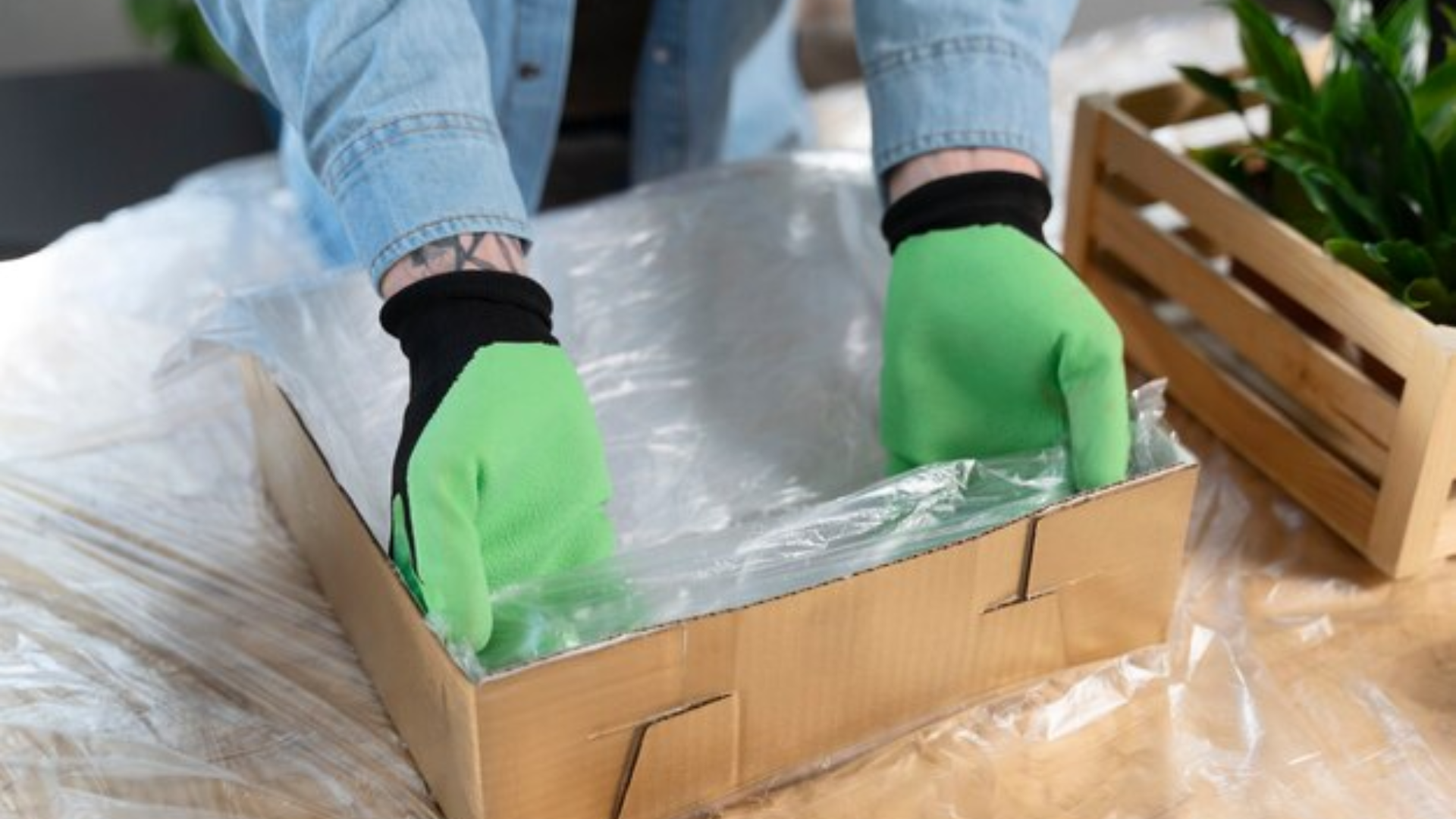
The choice of material directly impacts both the protective capability and environmental friendliness of packaging. Here are the main types of materials commonly used:
Plastics (including Plant-Based Alternatives): Conventional plastics offer excellent water resistance but raise environmental concerns. Plant-based plastics, such as PLA, provide similar waterproof protection while being biodegradable and compostable.
Wax-Coated Paper & Cardboard: Applying a wax coating to paper or cardboard improves moisture resistance. This option is cost-effective, recyclable in some cases, and ideal for food packaging or moisture-sensitive products.
Laminates & Composite Materials: Combining multiple layers of paper, plastic, or biodegradable films creates a strong barrier against water while enhancing durability. Laminates are versatile and suitable for fragile or heavy-duty items.
Fibrous Materials (Hemp, Bagasse, Seaweed): Natural fibers can be treated or processed to resist moisture. Opting for these materials gives you a compostable, sustainable, and eco-friendly choice for your boxes, containers, and wraps.
Specialty Coatings & Films: Certain biodegradable or recyclable films provide extra water protection without relying on traditional plastic. These coatings help you maintain product safety while supporting sustainable shipping initiatives.
Selecting the right material depends on your product, transit conditions, and sustainability goals. By choosing carefully, you can balance performance, cost, and environmental impact.
Next, let's look at specific waterproof packaging options that blend functionality with sustainability.
9 Best Waterproof Packaging Options for Sustainable Shipping
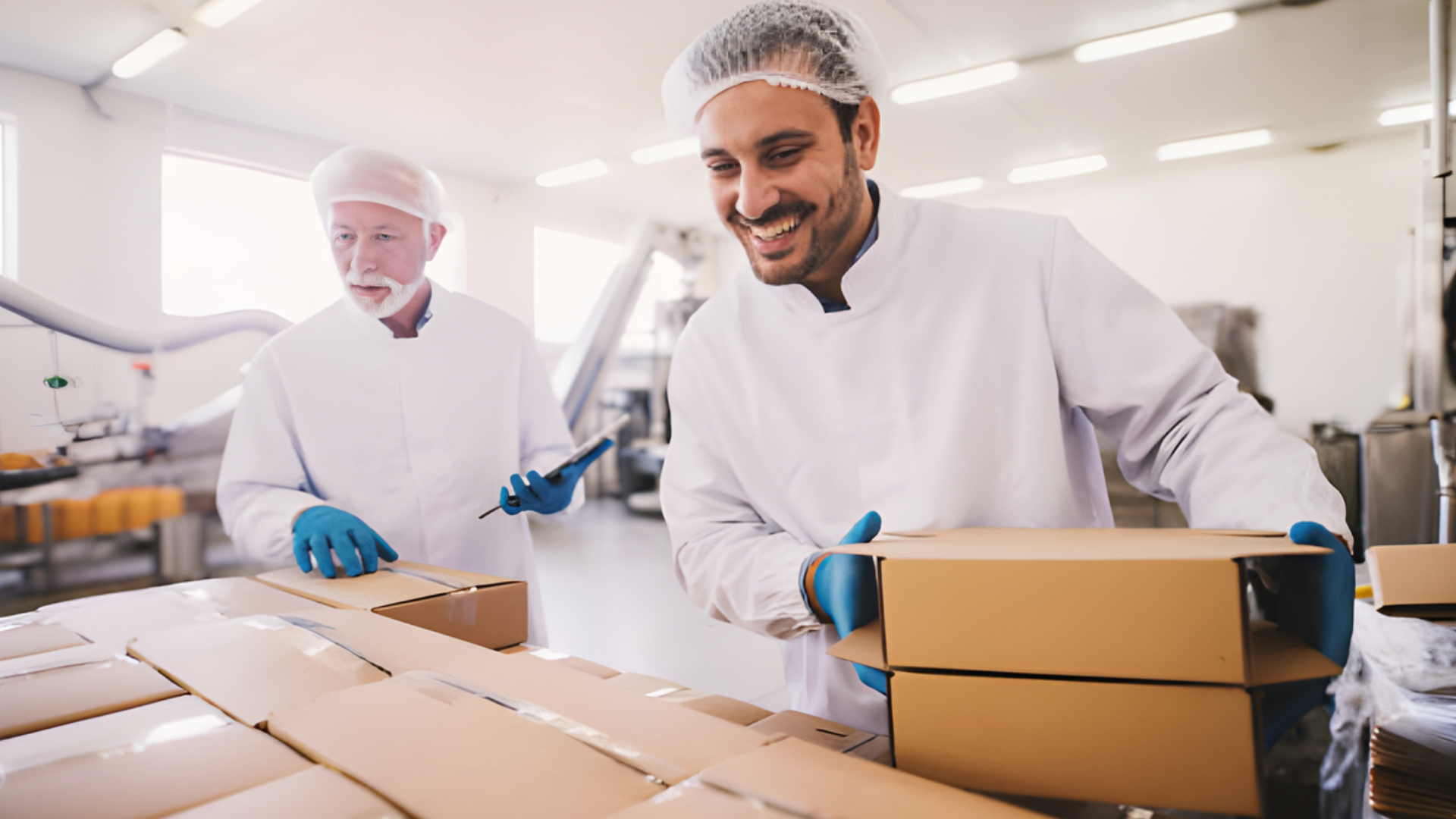
Sustainable waterproof packaging has become a crucial component for businesses seeking to protect products while reducing their environmental footprint. The following options provide practical, sustainable alternatives for modern shipping needs.
Plant-Based Plastics (PLA)
Plant-based plastics, commonly made from corn starch or sugarcane, offer a biodegradable and compostable alternative to conventional plastics. They are lightweight, moisture-resistant, and suitable for a variety of packaging applications.
Key Features:
Biodegradable & Compostable: Fully breaks down in composting conditions, reducing landfill waste.
Moisture Resistance: Keeps products safe from spills, light rain, and humidity during transit.
Versatile Use: Ideal for lightweight items like clothing, cosmetics, and small electronics.
PLA packaging combines functionality with environmental responsibility, making it a practical choice for companies aiming to reduce their plastic footprint.
Seaweed-Based Packaging
Seaweed-derived packaging is an innovative, biodegradable solution that naturally resists moisture. Its edible and compostable properties make it particularly suitable for food packaging and sustainable product initiatives.
Key Features:
Eco-Friendly: Fully compostable and reduces reliance on petroleum-based plastics.
Moisture Protection: Acts as an effective barrier against humidity and light liquids.
Safe for Food: Often edible, making it ideal for direct food contact applications.
Seaweed packaging provides you with a unique way to protect goods while actively supporting sustainability goals.
Mushroom-Based Mycelium Packaging
Mycelium, the root network of mushrooms, can be grown into protective packaging forms that are both water-resistant and compostable. It provides cushioning and structural support for fragile products.
Key Features:
Biodegradable and Compostable: Fully decomposes, leaving no harmful residue.
Shock Absorption: Provides cushioning for delicate shipments, reducing product damage.
Customizable: Can be molded into different shapes and sizes for specific packaging needs.
This natural material is a sustainable alternative if you want to combine protection with eco-conscious innovation.
Wax-Coated Cardboard Solutions
Wax-coated cardboard offers enhanced water resistance while maintaining the recyclability and biodegradability of traditional paperboard. It is commonly used for perishable or moisture-sensitive goods.
Key Features:
Water-Resistant Coating: Protects contents from spills, humidity, and light rain.
Structural Strength: Maintains shape and durability during transit.
Biodegradable Options: Natural wax coatings allow for eco-friendly disposal and recycling.
Wax-coated cardboard provides a balance of protection and sustainability for goods prone to moisture exposure.
Bagasse (Sugarcane Fiber) Containers
Bagasse, a byproduct of sugarcane processing, is molded into packaging trays and containers. It is naturally resistant to moisture and fully compostable, making it suitable for food and lightweight goods.
Key Features:
Moisture Resistant: Keeps food and other goods safe from humidity and spills.
Sustainable Material: Derived from agricultural waste, supporting resource efficiency.
Compostable: Fully biodegradable, reducing environmental impact after disposal.
Bagasse packaging is an excellent solution for businesses seeking sustainable, water-resistant packaging with minimal environmental impact.
Glassine Packaging
Glassine is a smooth, semi-transparent paper with natural water-resistant properties. It is widely used for protecting printed materials, electronics, or baked goods.
Key Features:
Moisture Protection: Shields items from light moisture while remaining thin and flexible.
Recyclable and Sustainable: Can be recycled or composted, reducing environmental impact.
Multi-Purpose: Useful for wrapping, interleaving, or protecting sensitive items.
Glassine offers an attractive, eco-conscious alternative for your products that require both protection and presentation.
Hemp Fiber Packaging
Hemp fiber is durable, biodegradable, and naturally resistant to moisture. It is used in paper, board, or molded packaging to deliver strength and environmental sustainability.
Key Features:
Durable and Resilient: Withstands stress during transit, protecting heavier products.
Moisture Resistant: Shields items from moderate humidity and liquid exposure.
Eco-Friendly: Fully compostable and derived from a rapidly renewable resource.
Hemp packaging combines resilience, eco-friendliness, and water protection, giving you reliable options for shipping diverse products.
Compostable Mailer Bags with Moisture Barriers
Compostable mailer bags are lightweight, waterproof, and fully biodegradable, making them ideal for e-commerce shipments. They protect products from light rain or humidity while supporting a sustainable supply chain.
Key Features:
Lightweight and Protective: Prevents moisture damage while remaining easy to handle.
Fully Compostable: Breaks down naturally, supporting sustainable logistics practices.
Versatile Sizes: Available in multiple dimensions to accommodate various product types.
These mailers are a practical solution for your company if you want to balance cost, sustainability, and product protection in e-commerce fulfillment.
Water-Activated Tapes & Labels
Water-activated tapes and labels offer a sustainable alternative to traditional plastic adhesives. Made from paper with moisture-activated glue, they provide a secure seal while being recyclable and compostable.
Key Features:
Strong Adhesion: Ensures packages remain sealed during transit.
Eco-Friendly: Fully recyclable and compostable, reducing packaging waste.
Compatibility: Works effectively with cardboard and other sustainable packaging materials.
Water-activated tapes and labels provide you with an effective and environmentally responsible way to seal and label your shipments.
Each of these sustainable waterproof packaging options offers a unique combination of protection, functionality, and environmental responsibility. After reviewing the options, it’s essential to follow best practices to ensure your waterproof packaging performs reliably.
Best Practices for Maintaining Waterproof Packaging
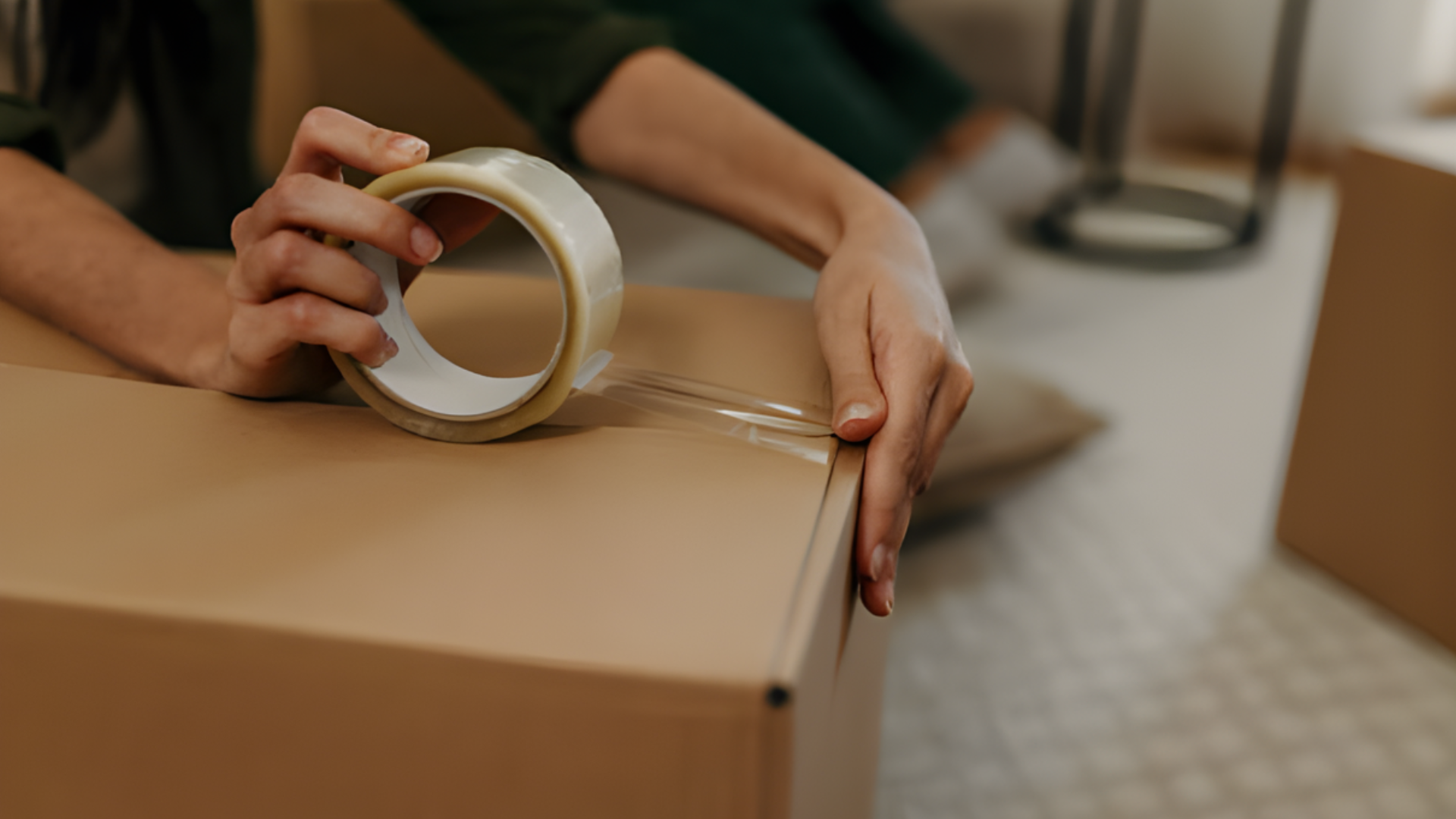
Even the best materials can fail if not used correctly. Businesses can extend the life and effectiveness of waterproof packaging by following key best practices:
Store Packaging Properly: Keep materials in dry, temperature-controlled environments to prevent moisture absorption or damage before use. Proper storage extends material life and ensures reliability.
Apply Packaging Correctly: Use recommended sealing and wrapping techniques to maintain water resistance. Proper application prevents leaks, punctures, and compromised protection during transit.
Inspect Regularly: Routinely check stored or pre-packaged items for signs of moisture, wear, or damage. Regular inspections help you detect issues early and avoid costly product losses.
Train Your Team: Equip warehouse and logistics staff with guidance on handling sustainable waterproof materials. Informed teams reduce errors and maintain consistent packaging performance.
Ensure Material Compatibility: Confirm that tapes, labels, films, and containers work together to maintain waterproof performance. Using incompatible components can reduce overall protection.
By following these practices, you can maintain product quality, reduce waste, and optimize your packaging efficiency.
How Alliance Packaging Group Supports Sustainable Waterproof Shipping?
Alliance Packaging Group offers over 20 years of expertise in delivering reliable, just-in-time packaging and shipping solutions across the United States. With a focus on precision, reliability, and customer satisfaction, we help clients optimize their operations and stay competitive in today’s fast-paced market.
Tailored Packaging Solutions: Alliance Packaging Group evaluates your product type, shipment needs, and sustainability goals to recommend waterproof, eco-friendly packaging that fits your operations perfectly.
High-Quality Materials: Access to trusted and innovative materials, including plant-based films, compostable mailers, and water-resistant tapes, ensures product protection while reducing environmental impact.
Efficient Supply Chain Support: With over 10,000 items ready for same-day shipping, Alliance helps minimize storage costs and maintain smooth, just-in-time operations.
Expert Guidance & Training: Their team provides practical advice on proper application, handling, and best practices to ensure packaging performs effectively and sustainably.
While emerging biobased materials are increasingly popular, Alliance Packaging Group specializes in industrial-grade waterproof packaging such as water-activated tapes, shrink films, stretch films, poly mailers, coated corrugated materials, and protective wraps.
By collaborating with Alliance Packaging Group, businesses can enhance their sustainability efforts while ensuring the safe delivery of their products.
Conclusion
Waterproof packaging is no longer just a protective measure—it is a key component of sustainable shipping strategies. From plant-based plastics to mycelium-based molds, hemp packaging, and compostable mailers, a variety of innovative solutions are now available to make shipping safer and greener.
Adopting these sustainable waterproof packaging options can strengthen brand reputation, reduce environmental impact, and align with corporate sustainability goals. Partnering with experts like Alliance Packaging Group allows businesses to explore tailored waterproof packaging solutions that meet operational and environmental goals.
To explore the most effective waterproof packaging options for your business, contact us today.
FAQs
How to waterproof a package?
To waterproof a package, use water-resistant materials such as plastic wrap, shrink film, or waterproof bags. Seal all openings with strong tape and consider adding desiccants to absorb moisture. For extra protection, use waterproof coatings or laminates on cardboard or paper-based packaging.
Is plastic 100% waterproof?
Most plastics are highly water-resistant but not always 100% waterproof. Thin or low-quality plastics can tear or allow moisture to seep through. For full waterproofing, thicker, sealed plastics like polyethylene or laminated films are recommended, ensuring no gaps or punctures in the packaging.
How to protect a package from rain?
To protect a package from rain, wrap it in waterproof materials like plastic wrap, polybags, or shrink film. Seal edges and openings with waterproof tape, and consider using waterproof outer cartons. Adding an inner layer of cushioning can further prevent water damage during transit.
How to make a carton waterproof?
To make a carton waterproof, apply a waterproof coating or laminate to its surface. You can also line the interior with plastic or polyethylene sheets. Seal all edges and openings with water-resistant tape. Combining coatings and inner liners provides maximum protection against moisture.
What is the most waterproof paper?
The most waterproof paper is synthetic paper made from polypropylene or polyester. It resists water, tearing, and chemicals, making it ideal for outdoor labels, maps, and packaging. Waxed or laminated paper can also provide water resistance, but synthetic papers offer superior durability and long-term waterproofing.